

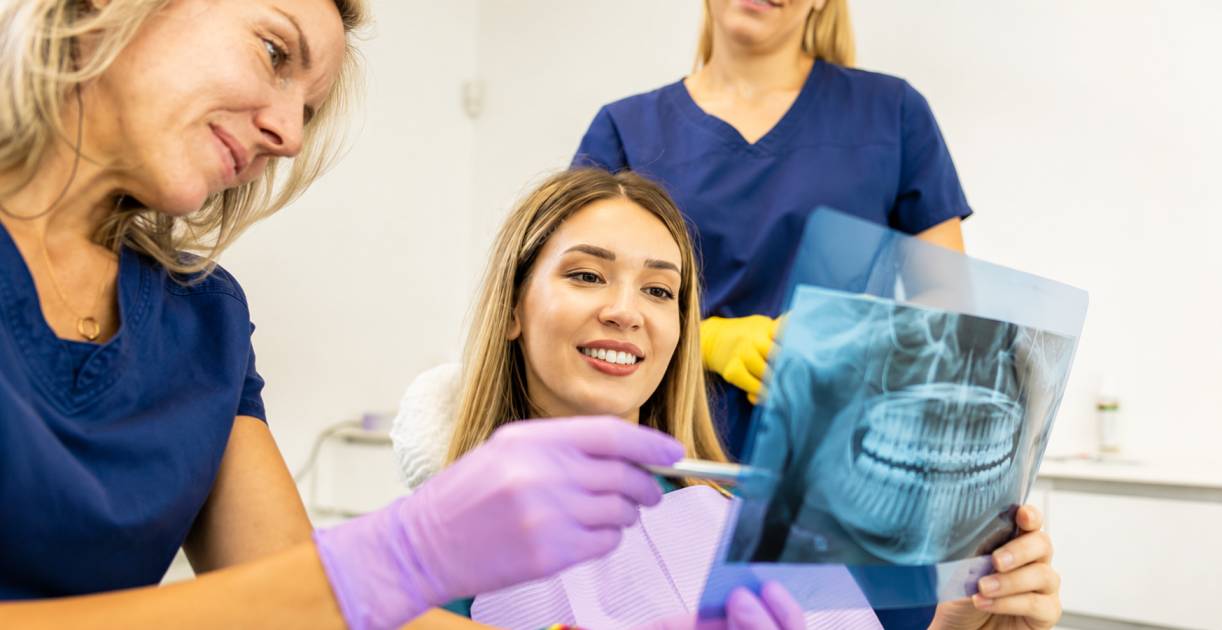
Most people associate orthodontic treatment with straightening crooked teeth, but an orthodontist can help with much more than improving the appearance of your smile. Problems with tooth alignment and bite can affect how you chew, speak, clean your teeth, and even your long-term oral health. The challenge is that many orthodontic issues develop gradually, making them easy to overlook until they become more noticeable.
Recognizing the early signs can help you seek treatment before minor concerns become more complex. If you’re searching for an orthodontist in Barberton, OH, understanding these warning signs is the first step toward protecting your smile and overall dental health.
Why Early Orthodontic Care Matters
Orthodontic problems rarely improve on their own. In many cases, teeth continue to shift over time, and untreated bite issues can place unnecessary stress on the teeth and jaw.
According to the American Association of Orthodontists (AAO), children should have their first orthodontic evaluation by age 7. Early assessments allow orthodontists to monitor jaw growth and tooth development, even if treatment isn’t immediately needed. Adults can also benefit from orthodontic care, especially if shifting teeth or bite problems begin affecting their daily lives.
The sooner orthodontic concerns are identified, the more treatment options may be available.
1. Your Teeth Are Becoming Crowded
Have you noticed your teeth looking more crooked than they did a few years ago?
Crowding often develops gradually as teeth naturally shift with age. Overlapping teeth aren’t just a cosmetic concern; they can also make brushing and flossing more difficult, increasing the risk of plaque buildup and cavities.
If you notice increasing crowding, it’s worth scheduling an orthodontic evaluation before the problem becomes more severe.
2. You Have Trouble Biting or Chewing Food
Your teeth should come together comfortably when you bite.
If chewing feels awkward or certain teeth hit before others, it could indicate a bite problem, such as:
- Overbite
- Underbite
- Crossbite
- Open bite
These conditions can affect both comfort and function and may lead to uneven tooth wear over time.
3. You Frequently Bite Your Cheeks or Tongue
Occasionally, biting your cheek happens to everyone, but frequent biting may be a sign that your teeth aren’t properly aligned.
When teeth don’t fit together correctly, soft tissues inside the mouth are more likely to become caught while chewing or speaking.
An orthodontic evaluation can determine whether tooth alignment is contributing to the problem.
4. Gaps Between Teeth Are Becoming More Noticeable
While some spacing between teeth is perfectly natural, larger or increasing gaps may affect your bite and smile.
Spacing can develop because of missing teeth, natural jaw growth, or shifting teeth over time.
Depending on the cause, orthodontic treatment may help close unwanted spaces and improve overall alignment.
5. Your Jaw Clicks, Pops, or Feels Uncomfortable
Jaw discomfort isn’t always caused by orthodontic problems, but bite alignment can sometimes contribute to extra strain on the jaw joints.
If you regularly experience:
- Clicking or popping
- Jaw fatigue
- Difficulty opening your mouth comfortably
- Uneven bite pressure
It’s a good idea to have your bite evaluated by a dental professional.
6. You Avoid Smiling Because of Your Teeth
Orthodontic treatment isn’t only about function; it can also improve confidence.
Many patients feel self-conscious about crowded teeth, spacing, or bite issues that affect their smile. If you’re hiding your teeth in photos or avoiding smiling altogether, orthodontic treatment may help you feel more comfortable with your appearance.
A healthier smile often has a positive impact on both confidence and quality of life.
7. Your Teeth Have Shifted After Previous Orthodontic Treatment
Many adults who wore braces as teenagers noticed gradual tooth movement years later.
Without long-term retainer use or regular monitoring, teeth can slowly shift back toward their original positions.
If you’ve noticed changes since completing orthodontic treatment, an orthodontist can evaluate your smile and recommend appropriate options to maintain proper alignment.
Common Orthodontic Warning Signs at a Glance
| Warning Sign | What It Could Mean | Why You Shouldn’t Ignore It |
| Crowded or overlapping teeth | Not enough space for proper alignment | Harder to clean teeth and increased risk of decay and gum problems |
| Difficulty chewing or biting | Bite misalignment such as an overbite or crossbite | Can lead to uneven tooth wear and chewing discomfort |
| Frequent cheek or tongue biting | Teeth may not be aligning properly | Repeated irritation can affect comfort while eating or speaking |
| Increasing gaps between teeth | Teeth may be shifting due to bite or spacing issues | Can impact both appearance and bite function |
| Jaw clicking or discomfort | Possible bite imbalance or jaw stress | May worsen over time without evaluation |
| Avoiding your smile | Alignment concerns affecting confidence | Orthodontic treatment can improve both function and self-esteem |
| Teeth shifting after braces | Natural tooth movement or inconsistent retainer use | Early intervention may prevent more extensive treatment later |
Why a Professional Orthodontic Evaluation Makes a Difference
While online articles and symptom checkers can provide helpful information, they can’t replace a comprehensive orthodontic evaluation.
Every smile is unique. Factors such as jaw development, tooth position, bite function, and oral health all play an important role in determining whether orthodontic treatment is recommended.
Rather than focusing only on straight teeth, orthodontists evaluate how your entire bite functions to create results that are healthy, comfortable, and long-lasting.
Take the Next Step Toward a Healthier Smile
If you’ve noticed any of these warning signs, don’t assume they’ll improve on their own. Early evaluation often makes it easier to identify concerns and develop a treatment plan that’s right for your smile.
Whether you’re experiencing crowded teeth, bite problems, or shifting teeth, consulting an orthodontist in Barberton, OH, can help you better understand your options.
At Austin Park Dental, our team provides personalized orthodontic care for children, teens, and adults using modern treatment options tailored to each patient’s needs. Before scheduling your consultation, you can also Meet Our Doctors to learn more about the experienced professionals dedicated to helping you achieve a healthier, more confident smile.
Frequently Asked Questions (FAQ’s)
1. What are the signs that I should visit an orthodontist?
Crowded teeth, bite problems, shifting teeth, jaw discomfort, and spacing issues are common reasons to schedule an orthodontic evaluation.
2. At what age should a child see an orthodontist?
The American Association of Orthodontists recommends an initial evaluation by age 7.
3. Can adults benefit from orthodontic treatment?
Yes. Adults can improve tooth alignment, bite function, and overall oral health through orthodontic treatment.
4. Will crooked teeth get worse over time?
In many cases, teeth continue to shift naturally with age, making crowding or spacing more noticeable.
5. How do I know if I need braces or Invisalign?
A professional orthodontic evaluation is the best way to determine which treatment is appropriate for your specific needs.
New Patients & Emergency Appointments Welcome!
