

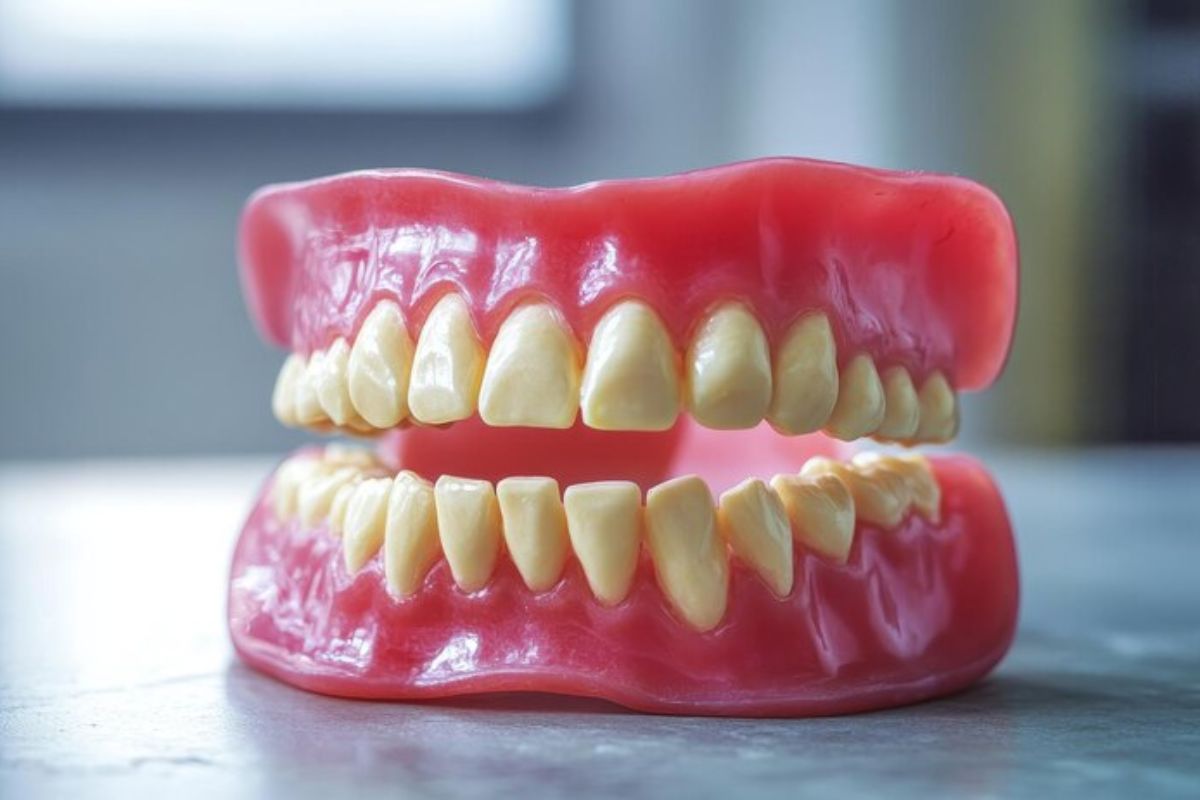
Do you have lost or missing several teeth? If that’s so, then a porcelain fixed bridge can be the only best option that would help you regain your smile and your dental functionality. A highly common dental treatment at Austin Park Dental, it helps bring smiles back to patients while also achieving proper oral health. But what does the procedure involve, and what should you expect? In this blog, we’ll walk you through the process, its benefits, and how a Cosmetic Dentist in Barberton can help you achieve a beautiful, long-lasting smile.
Understanding Porcelain Fixed Bridges
What is a Porcelain Fixed Bridge?
A porcelain fixed bridge is a restorative as well as a cosmetic dental solution designed to replace missing teeth. It entails attaching a prosthetic tooth or teeth (referred to as pontics) between the teeth that border the gap and crowning those teeth (known as abutment teeth). Porcelain, which closely resembles natural teeth and offers both aesthetic appeal and practicality, is used to create the complete framework.
Porcelain fixed bridges are durable and designed to last many years with proper care. They not only restore the look of your smile but also prevent other teeth from shifting, which could lead to misalignment or bite problems.
When Might You Need a Porcelain Fixed Bridge?
Your dentist might suggest this course of action if you have one or more missing teeth but still have healthy teeth on either side of the gap. It’s important to fill these gaps to maintain proper chewing function and to prevent adjacent teeth from moving into the empty space, which could cause further dental complications.
What to Expect During the Porcelain Fixed Bridge Procedure
Initial Consultation and Examination
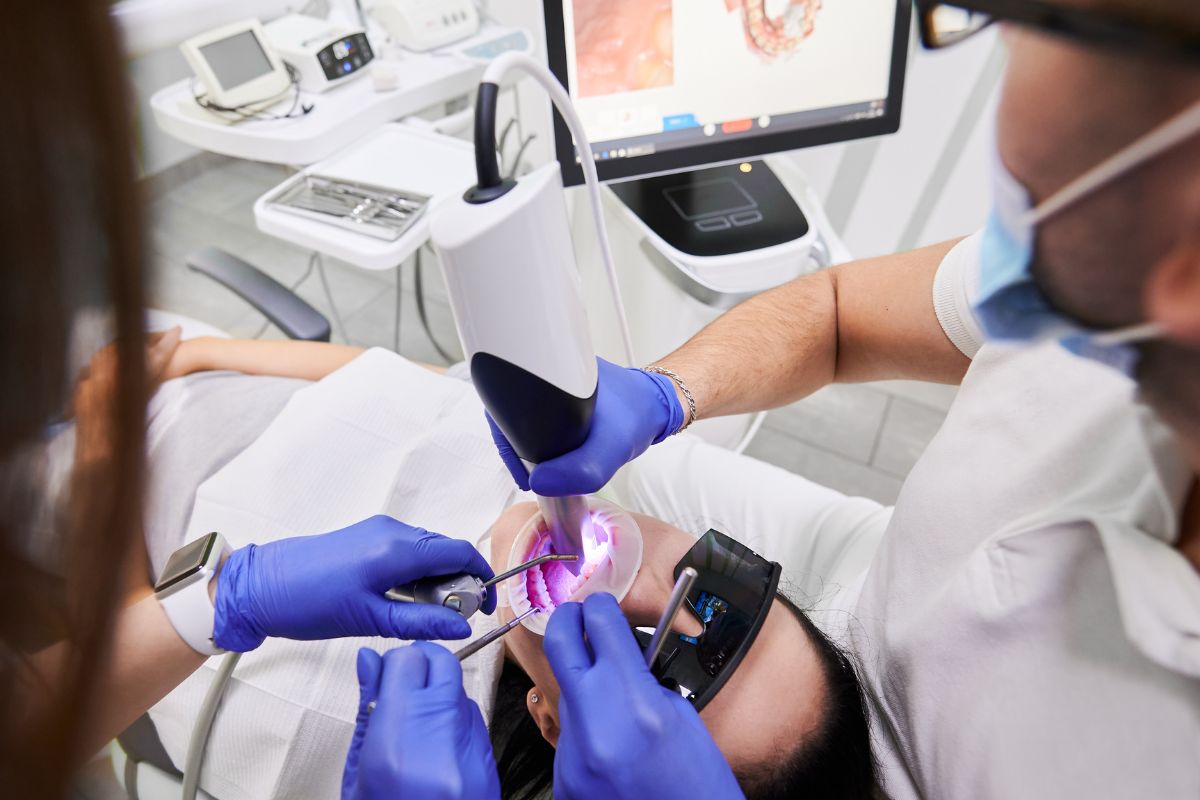
The first step is to schedule a consultation with a Cosmetic Dentist in Barberton. Your dentist will assess your overall dental health, take X-rays, and go over your options at this visit. If porcelain fixed bridges are deemed suitable for you, the dentist will develop a personalized treatment plan.
Preparing the Abutment Teeth
Once the treatment plan is set, the next step involves preparing the abutment teeth. A tiny bit of enamel will be removed from these teeth by the dentist in order to reshape them and make room for the crowns that will secure the bridge. Don’t worry—this part of the procedure is done under local anesthesia to ensure your comfort.
Taking Impressions for the Bridge
Following the preparation of the abutment teeth, the dentist will take exact imprints of your teeth. The personalized porcelain fixed bridge is made in a dental laboratory using these impressions. While your permanent bridge is being manufactured, the dentist will put a temporary bridge to cover your exposed teeth and gums.
Fitting the Porcelain Fixed Bridge
The temporary bridge is taken out and the permanent porcelain fixed bridge is expertly placed at your subsequent visit. The dentist will check its fit, appearance, and bite alignment. Adjustments may be made to ensure the bridge is comfortable and functions properly. Following confirmation of all the details, dental cement is used to bind the bridge to the abutment teeth, creating a stable and long-lasting fixture in your mouth.
Benefits of Porcelain Fixed Bridges
Restores Functionality and Appearance
Porcelain fixed bridges are designed to look and function like natural teeth, making it easier for you to chew, speak, and smile confidently. The porcelain material blends seamlessly with your existing teeth, ensuring a natural appearance.
Prevents Teeth from Shifting
Loss of a tooth can lead to the movement of adjacent teeth, creating biting troubles and even some loss of bone. Filling the gap with a fixed bridge may keep the occlusal alignment of your remaining natural teeth in place and prevent future dental problems.
Durable and Long-Lasting
Porcelain fixed bridges are durable and can last many years with proper care. Routine dental check-ups and maintaining good oral hygiene practices are essential for prolonging the life of your bridge.
Post-Procedure Care
Maintaining Your New Porcelain Fixed Bridge
After the procedure, it’s important to care for your porcelain fixed bridge just as you would your natural teeth. To avoid plaque accumulation around the bridge, use an antiseptic mouthwash, floss once a day, and brush twice a day. Regular visits to your Cosmetic Dentist are also crucial for monitoring the condition of the bridge and ensuring your oral health remains optimal.
Avoiding Hard or Sticky Foods
Even though porcelain fixed bridges are robust, damage can still be avoided by avoiding extremely sticky or hard meals. Chewing on hard candies or using your teeth as tools should be avoided to maintain the integrity of your bridge.
Porcelain fixed bridges offer an effective and aesthetically pleasing solution for those with missing teeth. At Austin Park Dental our cosmetic dentist in Barberton can provide you with the right guidance needed for your improvement in dental health and smile restoration. From consultation to post-procedure care, our dental group will help you with every step of the process involved. Make an appointment with us right now if you’re thinking about getting a porcelain fixed bridge so you may start down the path to a happier, more self-assured grin.

New Patients & Emergency Appointments Welcome!
