

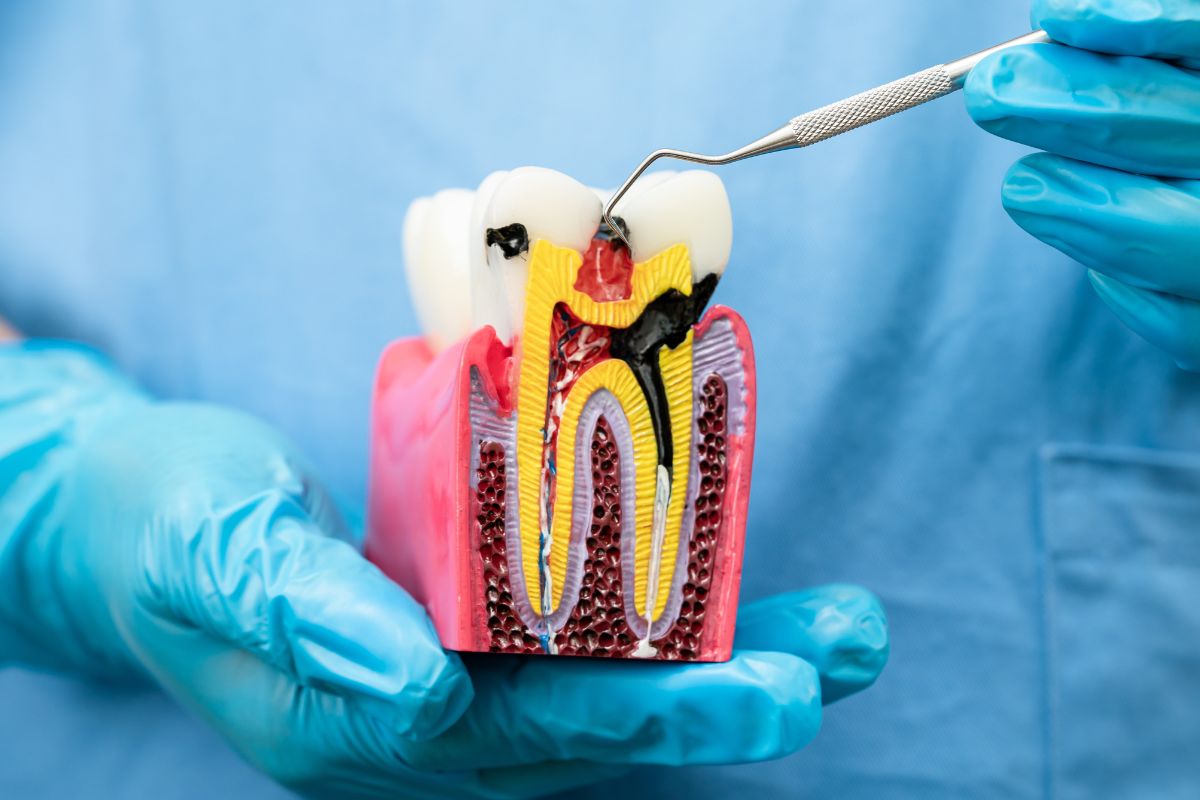
Imagine enjoying your favorite treat when a sharp, throbbing pain shoots through your tooth. You wince, realizing something isn’t right. That pain could be a sign of a large cavity—and possibly the need for a root canal. But don’t panic! One popular and successful method of preserving teeth that could otherwise be lost is through root canal therapy. Let’s dive into what makes them essential, especially for large cavities, and why visiting a Restorative Dentist in Barberton can bring your smile back to life.
Why Large Cavities Lead to Big Problems
Cavities start small, often as tiny specks of decay on the enamel. Left untreated, they grow deeper, eventually reaching the soft inner tissue of the tooth called the pulp. This pulp is extremely sensitive because it contains blood vessels and nerves. The tooth is susceptible to infection, excruciating pain, and even abscesses once decay reaches the pulp.
Think of a cavity as a crack in a dam. At first, it seems minor, but if it goes unchecked, the entire structure is at risk of collapse. That’s where a root canal comes in—to repair the damage and save the tooth before it’s too late.
Signs You Might Need a Root Canal
Root canal treatment often becomes necessary when a large cavity starts causing serious problems. Watch for these symptoms:
- Persistent, throbbing tooth pain that won’t go away
- Sensitivity to hot, cold, or sweet foods
- Swelling or redness around the gums near the affected tooth
- Darkening of the tooth, which may signal internal damage
- A small pimple-like bump on the gums, indicating an abscess
If you’re experiencing any of these signs, it’s time to contact a restorative dentist in Barberton to discuss your options. Your tooth may be saved if you take immediate action.
What Happens During a Root Canal?
The words “root canal” might sound intimidating, but modern dentistry has made the procedure more comfortable than ever. Here’s what you can expect:
1. Numbing and Preparation
To make sure you are pain-free, your dentist will start by numbing the region. X-rays help assess the extent of the decay and guide the procedure.
2. Cleaning Out the Infection
An opening is made in the tooth to access the infected pulp. To prepare the root canals for filling, the dentist forms them, removes the diseased tissue, and carefully cleans the area.
3. Sealing the Tooth
Once the area is clean, the canals are filled with a special material called gutta-percha to prevent future infections. A temporary or permanent filling seals the tooth. In most cases, a crown is placed later to restore strength and function.
The Benefits of Saving a Tooth
Why go through all this trouble to save a tooth? Because natural teeth are invaluable! A root canal not only relieves pain but also helps you maintain proper chewing function, preserves your jawbone, and keeps your smile looking natural. Plus, with today’s advanced techniques, root canal-treated teeth can last a lifetime.
Preventing Large Cavities and Root Canals
Although a tooth can be saved with a root canal, prevention is preferable. Here’s how you can keep cavities at bay:
- Brush twice daily and floss regularly to remove plaque.
- Visit your dentist for regular check-ups and professional cleanings.
- Limit sugary snacks and drinks that contribute to tooth decay.
- Use fluoride toothpaste to strengthen your enamel.
Don’t Let Pain Linger
If you’ve been ignoring tooth pain or sensitivity, now’s the time to act. A root canal therapy in Barberton performed by our restorative dentist can alleviate your discomfort and save your tooth. Remember, delaying treatment can turn a manageable issue into a serious problem.
So, if you’re experiencing signs of a large cavity, reach out to our trusted dentist in Barberton today. Your smile—and your comfort—are worth it!


New Patients & Emergency Appointments Welcome!
