

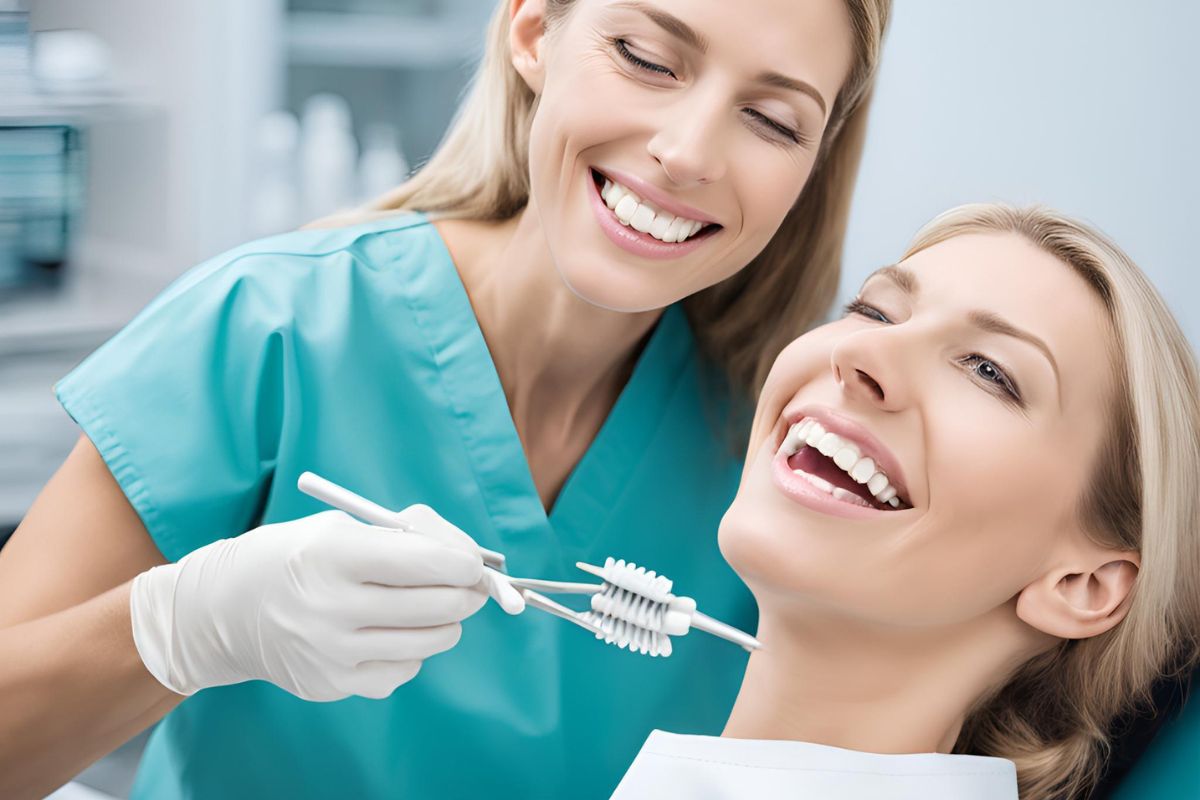
Restorative dentistry isn’t just about making teeth look good; it’s about ensuring that they work well too. A key part of this is occlusion—how your teeth align and interact when you close your mouth or chew. While it might seem like a small detail, occlusion plays a significant role in the success and longevity of dental restorations. Let’s dive into what occlusion means and why it’s a priority for a skilled restorative dentist in Barberton.
What Is Occlusion in Dentistry?
Occlusion refers to the alignment and contact of your upper and lower teeth. It involves both static positions, like when your mouth is at rest, and dynamic movements, like chewing or speaking. A properly aligned bite ensures balance among your teeth, jaw joints, and muscles, creating harmony in your mouth. When something is off, it can lead to a variety of issues, including discomfort, uneven wear, or even jaw problems.
Why Is Occlusion Important in Restorative Dentistry?
When it comes to restoring teeth, occlusion is more than just a technicality—it’s essential. Here are four key reasons why:
- Protects Your Dental Restorations
Crowns, fillings, or implants can only last if they are in sync with your bite. Improper occlusion can lead to uneven pressure, causing restorations to chip, crack, or fail prematurely. - Prevents Jaw and Muscle Pain
A misaligned bite can strain the jaw muscles and joints, potentially leading to temporomandibular joint disorder (TMD). Addressing occlusion minimizes this risk. - Improves Oral Function
Chewing and speaking should be effortless. Proper occlusion ensures that your teeth work as a team, making everyday activities more comfortable and efficient. - Protects Natural Teeth
Even if you’re restoring just one tooth, it’s important to avoid causing additional wear or damage to surrounding natural teeth by adjusting occlusion appropriately.
A trusted restorative dentist in Barberton ensures that each restoration supports the natural function and health of your entire mouth.
How Dentists Assess Occlusion in Restorative Treatments
Understanding your bite goes beyond visual inspection. Dentists use several techniques to evaluate occlusion:
- Bite Records
These records capture how your teeth meet and guide the design of precise restorations. - Articulating Paper
By marking high points of contact, dentists can identify areas that need adjustment. - Digital Scanning Technology
Modern scanners create a 3D model of your teeth, allowing for a highly accurate analysis of your bite alignment. - Muscle and Joint Examination
A thorough evaluation of the jaw muscles and joints helps identify potential strain or discomfort caused by occlusion issues.
With these tools, dentists ensure your restorations are a seamless fit with your natural bite.
The Role of Occlusion in Common Restorative Procedures
Occlusion is considered in every step of restorative dentistry. Here’s how it applies to some common procedures:
- Crowns and Bridges
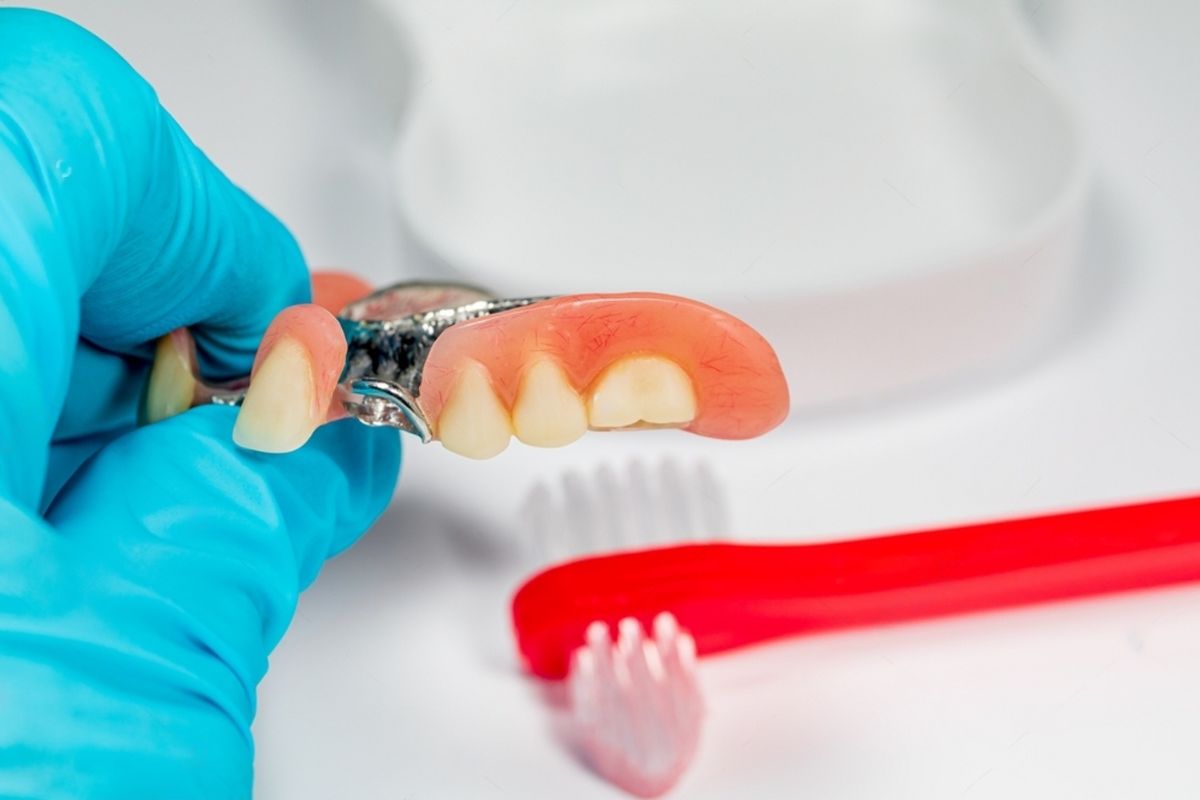
A poorly aligned crown or bridge can create long-term problems. Proper occlusion ensures these restorations support chewing without causing stress to other teeth. - Dental Implants
Implants are fixed in place, making occlusion critical to their stability. An improperly aligned implant can fail under pressure. - Fillings
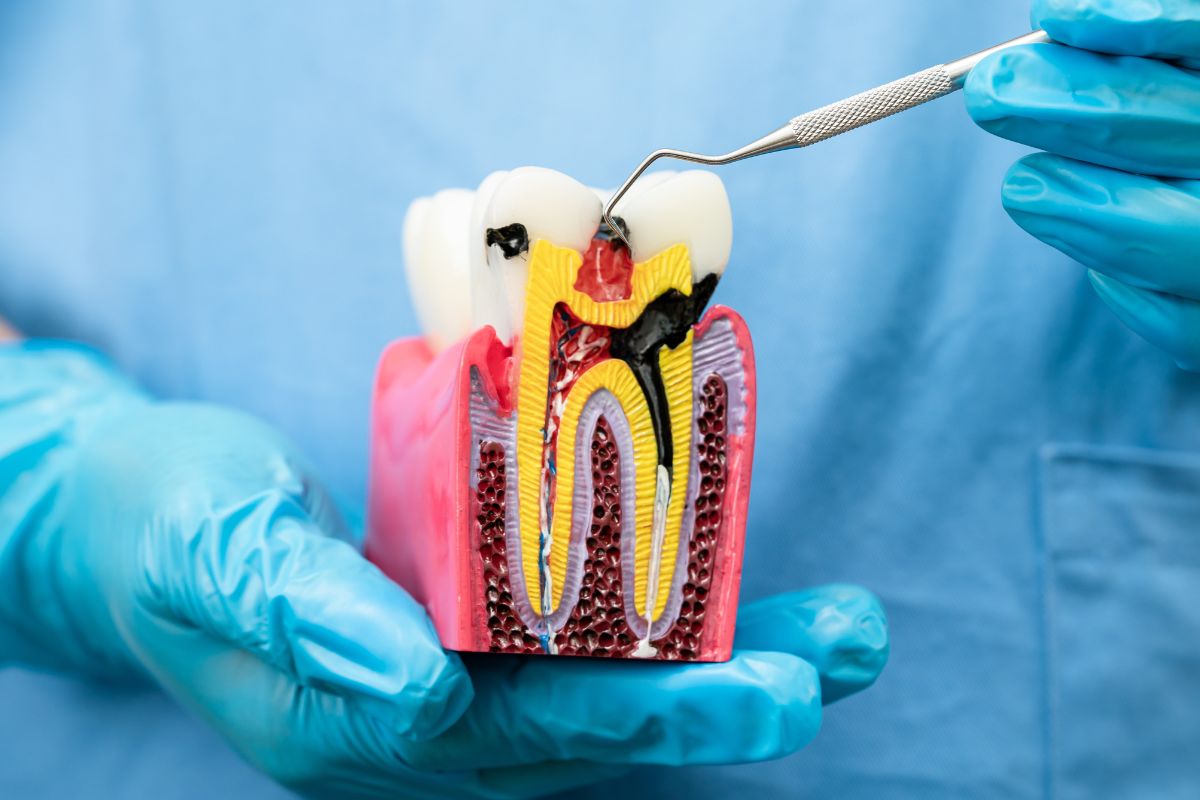
Even small restorations like fillings must align correctly to prevent discomfort or interference with your bite.
Patient-Centered Care in Occlusal Management
A good dentist doesn’t just treat teeth—they treat people. Patient-centered care means educating you about your occlusion and working with you to create a plan that prioritizes comfort and functionality. Your input and feedback are crucial in fine-tuning restorations for a perfect fit.
The Future of Occlusion in Restorative Dentistry
Dentistry is evolving rapidly, and technology is making occlusion analysis more accurate than ever.
- AI and Digital Tools: Artificial intelligence is now used to assess bite patterns, improving precision.
- 3D Printing: Custom restorations designed to match your bite perfectly are more accessible than ever.
Telehealth Monitoring: Dentists can remotely monitor occlusal changes over time, ensuring ongoing care and adjustments.
Occlusion may seem like a small detail, but it has a big impact on your oral health and the success of restorative treatments. A careful focus on occlusion ensures that your smile is not only beautiful but also functional and long-lasting. For personalized care, visit a trusted dentist near you who understands the importance of a well-aligned bite in restorative dentistry.

New Patients & Emergency Appointments Welcome!
