


Dentists use porcelain crowns to restore damaged or discolored teeth with a durable, natural-looking solution. But over time, you may notice your surrounding teeth start to stain—making your crown stand out. At that point, many people wonder, can you whiten porcelain crowns?
The short answer is no—you cannot whiten porcelain crowns like natural teeth. Understanding why that is and what you can do instead will help keep your smile consistent and bright.
Why Porcelain Crowns Don’t Respond to Whitening
Porcelain resists staining because it’s a non-porous material, unlike natural tooth enamel. That means it doesn’t absorb stains like your natural teeth do—but it also doesn’t respond to traditional whitening treatments like peroxide-based gels or strips.
Even professional in-office whitening treatments won’t lighten porcelain crowns. Using these products on crowns may cause uneven coloring between your natural teeth and restorations, making your crown more noticeable instead of less.
What You Can Do Instead
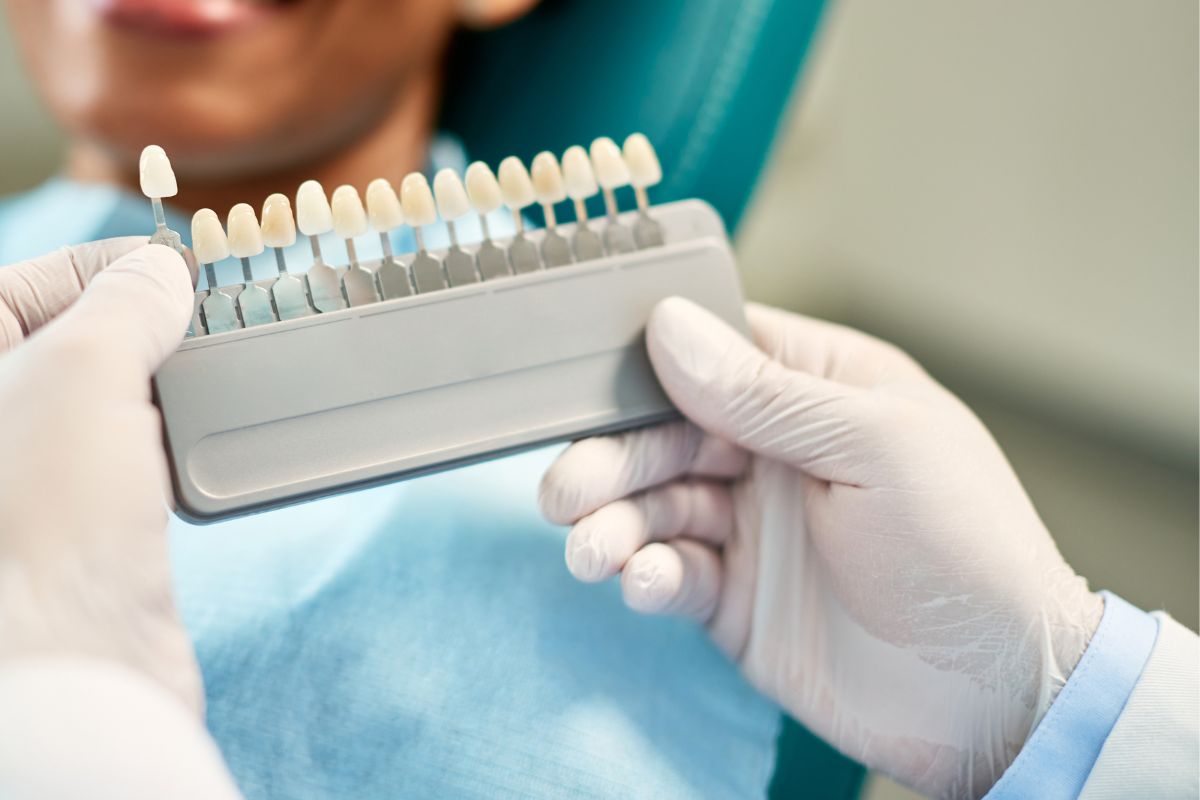
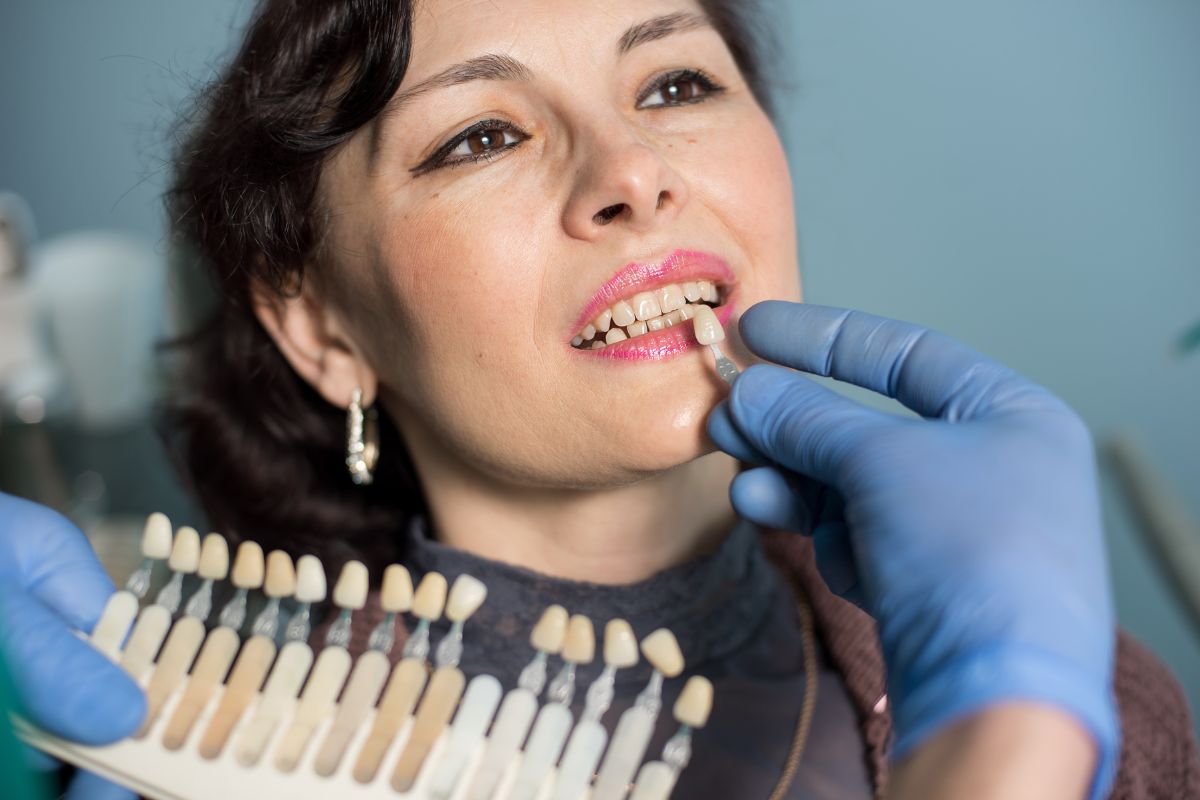
While you can’t change the shade of an existing porcelain crown, you have some great options to keep your smile even and attractive. If your crown no longer blends with your natural teeth, whiten your teeth first, then replace the crown to match your brighter smile.
Many people exploring cosmetic dentistry choose this sequence: whiten natural teeth first, then replace older crowns or veneers afterward to ensure a perfect color match. This approach helps you avoid mismatched shades that distract from an otherwise bright smile.
Another important tip: regular professional cleanings help maintain your crown’s appearance and prevent surface buildup from dulling its shine. Brushing with a non-abrasive toothpaste and avoiding stain-causing foods and drinks (like coffee, tea, and red wine) can also extend the life of your crown’s polished finish.
When to Consider Replacing a Crown
If your porcelain crown looks dull, stained, or out of place, it might be time for an update—especially if it’s over 10 years old. Newer crown materials offer improved stain resistance and more realistic translucency.
Your dentist will examine your crown during the consultation and recommend the best course of action. They’ll also take into account your gum health, bite alignment, and overall aesthetics to make sure your updated crown enhances your entire smile.
Remember, replacing a crown isn’t just about looks. Other dental issues, such as gingival irritation and decay under the crown margins, can result from crowns that are damaged or improperly fitted.
Keep Your Crown—and Your Smile—Looking Great
While you can’t whiten porcelain crowns directly, you can take proactive steps to maintain a consistent and beautiful smile. Focus on whitening your natural teeth under your dentist’s guidance, and plan your cosmetic updates carefully to include any crowns or restorations.
Porcelain crowns are long-lasting, but they aren’t immune to time. A well-planned update boosts your smile’s appearance and supports your oral health.
Ready to brighten your smile the smart way?
Book a consultation with your dentist today to discuss whitening and crown replacement options tailored to your needs. A refreshed, confident smile could be just one visit away.
New Patients & Emergency Appointments Welcome!
