

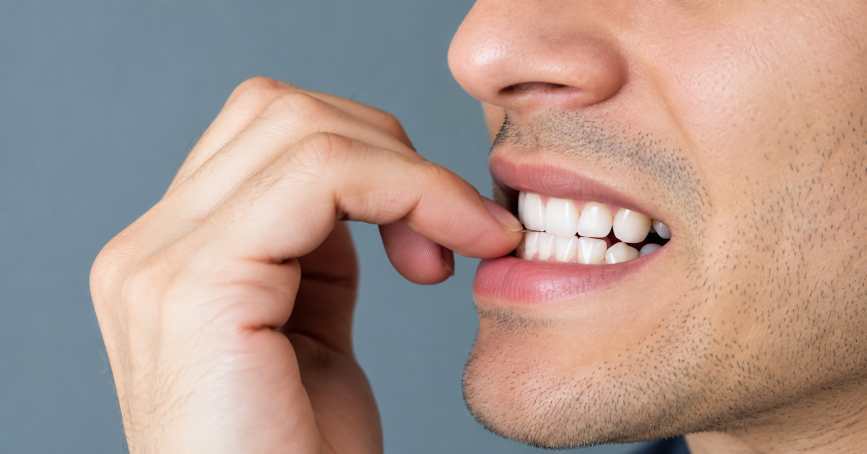
Feeling like one of your teeth is loose can be unsettling, especially if you gently push it and cannot see any obvious movement.
The sensation does not always mean the tooth is genuinely mobile. Inflamed gums, pressure from grinding or clenching, changes in your bite, tooth sensitivity, or irritation around a tooth can sometimes make it feel unusual or unstable even when the tooth itself is not significantly moving.
However, true tooth mobility should never be ignored in an adult. Gum disease can damage the tissues and bone supporting the teeth, eventually causing teeth to become loose or shift.
The important question is whether you’re experiencing a temporary sensation or an actual change in the tooth’s support.
What Does Tooth Mobility Actually Mean?
Your teeth are not fused directly to your jawbone. They are held in place by a network of supporting tissues, including the periodontal ligament and surrounding bone.
A healthy tooth may have a very small amount of natural movement that you typically cannot notice.
Tooth mobility becomes concerning when a tooth has more movement than expected or when its position is changing.
A dentist can assess mobility during an examination and determine whether it is associated with gum disease, bone loss, trauma, excessive biting forces, or another dental condition.
Austin Park Dental’s periodontal examinations specifically consider factors such as tooth mobility, gum inflammation, bleeding, and periodontal pocket measurements when evaluating gum health.
Why Can My Tooth Feel Loose Without Actually Moving?
Several conditions can create a sensation that something is wrong with a tooth even when you cannot detect significant movement.
1. Gum Inflammation
Inflamed gums can make the area around a tooth feel tender, swollen, or different.
Gingivitis and periodontal disease develop when plaque and bacteria trigger inflammation around the teeth. As periodontal disease progresses, it can damage the tissues and bone that support the teeth.
You may notice:
- Bleeding when brushing or flossing
- Red or swollen gums
- Tenderness
- Bad breath
- Gum recession
- A strange sensation around one or more teeth
Austin Park Dental identifies loose teeth, receding gums, bleeding, swelling, tenderness, and new spacing as signs that may occur with periodontal disease.
2. Teeth Grinding or Clenching
Do you wake up with jaw soreness or notice that your teeth feel different in the morning?
Teeth grinding and clenching, known as bruxism, can place repeated forces on the teeth and surrounding structures.
The National Institute of Dental and Craniofacial Research lists loose teeth, tooth sensitivity, flattened or chipped teeth, jaw soreness, and tooth wear among possible signs associated with bruxism.
You may not realize you’re grinding, particularly if it occurs during sleep.
3. A Change in Your Bite
Sometimes a tooth can feel “high,” pressured, or different because your bite is no longer contacting exactly as it normally does.
This may happen after:
- A filling or crown
- Dental restoration
- Tooth movement
- Changes in surrounding teeth
- Grinding or clenching
- Orthodontic treatment
When one tooth receives more pressure than usual, it can feel uncomfortable even if you cannot visibly see it moving.
If the sensation began shortly after dental treatment, let your dentist know rather than repeatedly testing the tooth yourself.
4. Tooth or Gum Sensitivity
A tooth that is sensitive to biting, cold, or pressure can sometimes be perceived as unstable.
Sensitivity can have several causes, including exposed tooth roots, gum recession, enamel wear, cavities, cracks, or irritation of the tissues surrounding the tooth.
The sensation may be particularly noticeable when chewing.
5. Recent Dental Trauma
A tooth that has been hit, bumped, or injured can feel different even when the damage is not immediately visible.
Sports injuries, falls, accidents, and biting unexpectedly hard objects can all affect teeth.
Dental trauma can cause mobility, tenderness, displacement, or damage to the tooth and its supporting structures.
If the sensation began after an injury, schedule a dental examination rather than waiting to see whether it resolves.
Can Gum Disease Make Teeth Feel Loose?
Yes. Gum disease is one of the most important causes of true tooth mobility in adults.
Periodontitis is an inflammatory disease that can cause loss of the tissues and bone supporting the teeth. As support decreases, teeth may become mobile and can eventually shift or be lost.
Austin Park Dental explains that periodontal disease can progress from inflammation around the gums to damage involving the supporting bone, potentially causing teeth to become loose.
This is why a tooth that feels loose should not automatically be dismissed as a temporary sensation.
What Are the Warning Signs of True Tooth Mobility?
Contact your dentist if you notice that:
- A tooth visibly moves when you touch it
- Your tooth position has changed
- A new gap has developed between teeth
- Your bite feels different
- Your gums bleed regularly
- Your gums are swollen or tender
- Your gums are receding
- You have persistent bad breath
- There is pus around the gums
- You have pain while chewing
- A tooth became loose after an injury
Austin Park Dental specifically lists loose or shifting teeth, changes in bite, gum recession, bleeding, swelling, and pus among periodontal warning signs.
Can a Loose Tooth Become Stable Again?
That depends on the underlying cause.
If mobility is related to inflammation or periodontal disease, treating the underlying condition may help protect the supporting structures and prevent further damage.
Austin Park Dental notes that treatment depends on the severity of periodontal disease. Early disease may be managed with professional cleanings and improved home care, while more advanced disease may require scaling and root planing or additional periodontal treatment.
If mobility is related to trauma, excessive bite forces, grinding, or another condition, the appropriate treatment will be different.
The key is to identify the cause before deciding what treatment is needed.
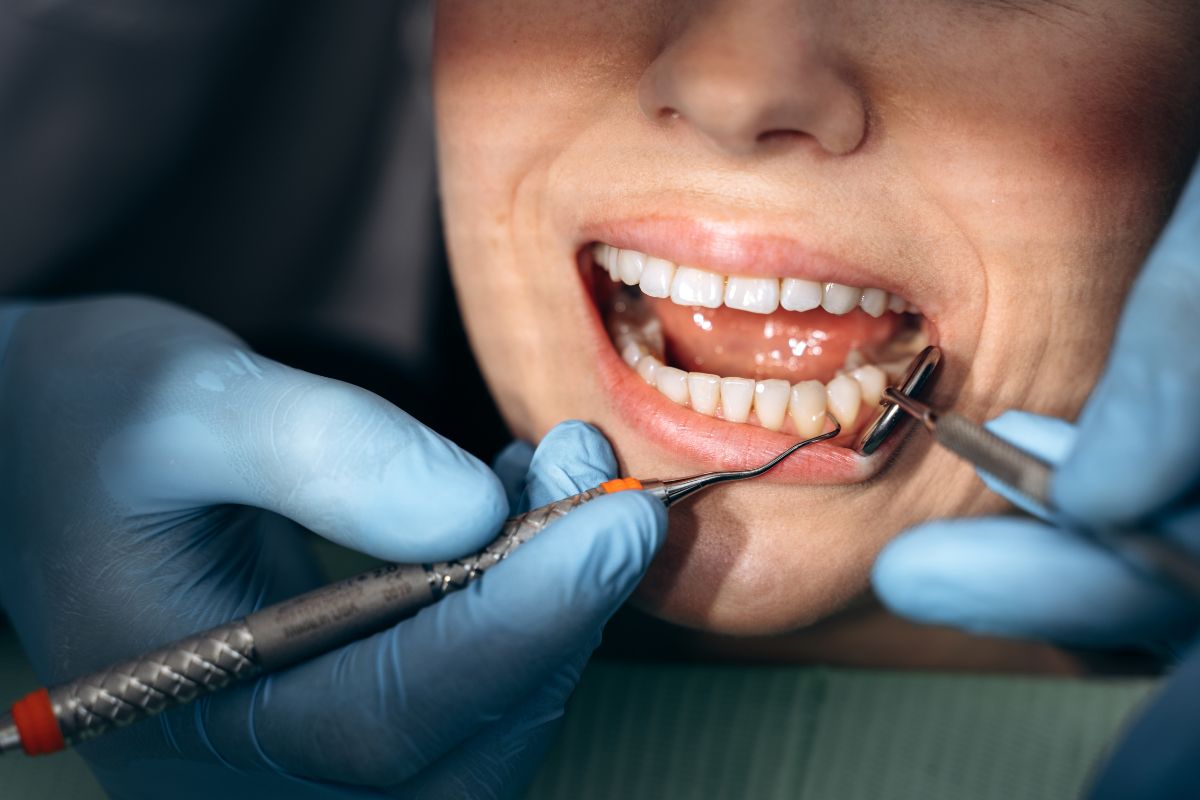
How Does a Dentist Check a Tooth That Feels Loose?
A dental examination may include several steps.
Your dentist may:
- Check the tooth for visible movement.
- Examine the surrounding gums.
- Measure periodontal pockets.
- Look for bleeding or inflammation.
- Check your bite.
- Evaluate signs of grinding or tooth wear.
- Ask about recent dental work or injuries.
- Take dental X-rays when appropriate.
X-rays can help identify bone loss that cannot be seen simply by looking at the tooth. NIDCR notes that dental X-rays can help determine whether periodontal disease has caused supporting bone loss.
Should I Keep Checking the Tooth to See If It Moves?
It is better not to repeatedly push or wiggle a tooth to test it.
Constantly manipulating a sensitive or irritated area can increase discomfort and does not tell you why the tooth feels different.
Instead, pay attention to useful changes such as:
- When the sensation started
- Whether it hurts when chewing
- Whether the gums bleed
- Whether the tooth looks different
- Whether your bite has changed
- Whether you recently had dental work
- Whether you grind or clench your teeth
That information can help your dentist identify the likely cause.
When Should You See a Dentist in Barberton, OH?
If a tooth suddenly feels loose, particularly if you can actually see or feel movement, it is worth having it evaluated.
You should seek prompt dental attention if the sensation follows an injury, is accompanied by significant pain or swelling, or occurs with signs of infection such as pus or severe gum inflammation.
For ongoing or unexplained tooth mobility, a periodontal examination can help determine whether gum disease or another condition is affecting the supporting structures.
Austin Park Dental in Barberton, OH, provides general dentistry, periodontal care, emergency dental care, restorations, and other comprehensive dental services. The practice is located at 801 East State St., Barberton, OH 44203.
How Austin Park Dental Can Evaluate Tooth Mobility
Austin Park Dental provides periodontal examinations that evaluate gum health, periodontal pocket depths, bleeding, inflammation, and tooth mobility.
When periodontal disease is identified, treatment can range from professional cleanings and improved home care for early disease to deeper periodontal cleaning such as scaling and root planing for more advanced cases.
The practice also offers comprehensive dental care, making it possible to evaluate other potential causes of a loose-tooth sensation, including tooth damage, restorations, bite-related concerns, and general oral health problems.
Conclusion
A tooth that feels loose does not always mean that the tooth is actually moving. Gum inflammation, grinding or clenching, bite changes, sensitivity, recent dental treatment, and trauma can all make a tooth feel different.
However, true tooth mobility in an adult can be a warning sign of periodontal disease or damage to the structures supporting the tooth. Periodontitis can destroy supporting tissue and bone, eventually causing teeth to become loose or shift.
If the sensation persists, your tooth visibly moves, your bite has changed, or you have bleeding, swelling, pain, recession, or other gum symptoms, schedule a dental examination rather than waiting for the problem to worsen.
An evaluation with a dentist in Barberton, OH can help determine whether you’re experiencing true tooth mobility or another condition that simply makes the tooth feel unstable.
Frequently Asked Questions (FAQ’s)
Why does my tooth feel loose but doesn’t actually move?
A tooth can feel loose because of gum inflammation, grinding, bite pressure, sensitivity, trauma, or irritation around the tooth even when noticeable movement is absent.
Can gum disease make a tooth feel loose?
Yes. Advanced periodontal disease can damage the gums and bone supporting a tooth, potentially causing mobility and shifting.
Can teeth grinding make teeth feel loose?
Yes. Bruxism can place repeated forces on the teeth and may be associated with tooth sensitivity, wear, damage, and mobility.
Should I worry if an adult tooth actually moves?
Yes. Noticeable movement in an adult tooth should be evaluated by a dentist, particularly if it occurs with gum bleeding, swelling, pain, recession, or a change in your bite.
Can a loose tooth become stable again?
It depends on the cause. Treating periodontal disease, reducing excessive forces, or addressing trauma or other underlying problems may help protect or improve tooth stability in appropriate cases.

New Patients & Emergency Appointments Welcome!
