

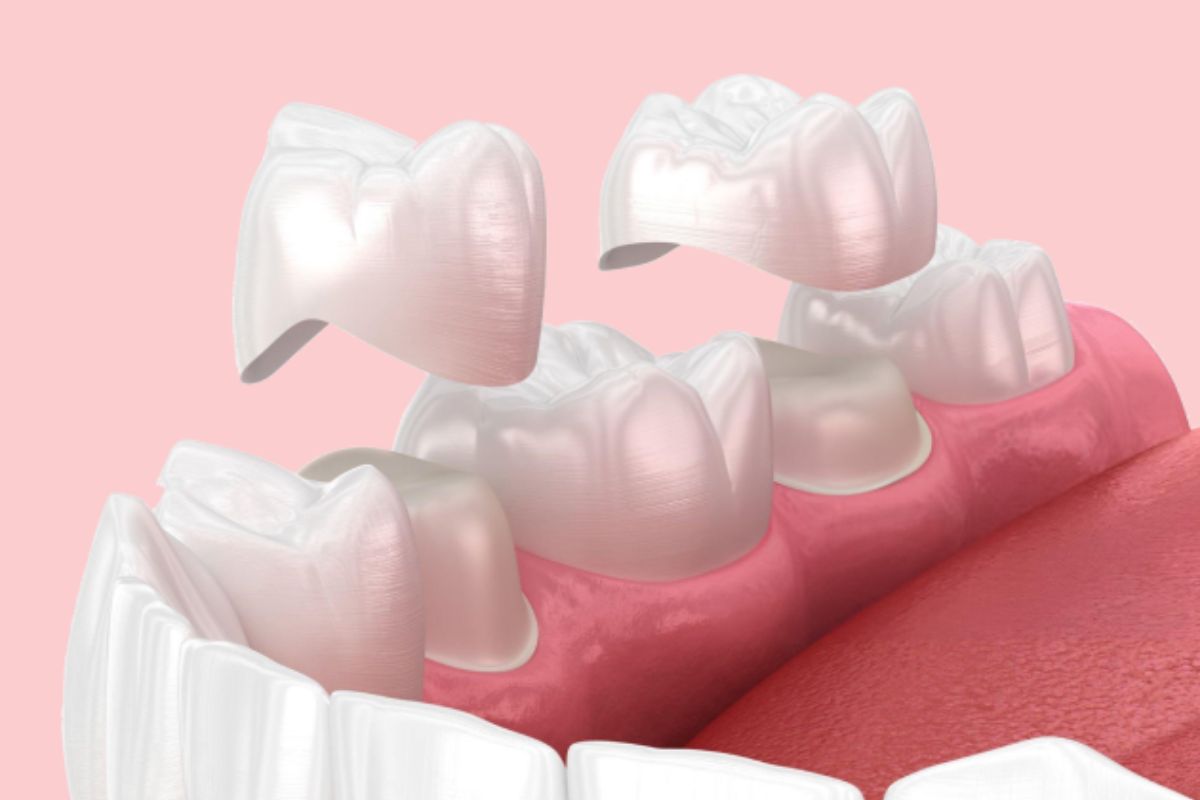
Although dental crowns are an excellent way to repair broken or rotten teeth, there are dangers associated with any dental operation. Fortunately, preventative treatment can help you avoid any issues and maintain the best possible condition for your crown. Here are five common dental crown complications and practical tips to avoid them.
1. Tooth Sensitivity After Crown Placement
Tooth sensitivity is a common concern for many patients following a crown placement. As your tongue becomes used to the new crown, it’s normal to have some sensitivity during the first few days, particularly to hot or cold meals. Persistent sensitivity, however, can be a sign of a problem with the root of your tooth or the fit of the crown.
Proactive Care Tip
Use desensitizing toothpaste for a few weeks before and after the procedure to help reduce the discomfort. If the sensitivity doesn’t fade within a few weeks, consult your restorative dentist to determine if an adjustment is needed. They may recommend a more protective bonding material to reduce sensitivity.
2. Improper Crown Fit
An improperly fitting crown can lead to several issues, such as discomfort, an incorrect bite, or pressure on surrounding teeth. This misalignment could also result in excessive wear on the adjacent teeth, potentially leading to further dental procedures down the line.
Proactive Care Tip
Visit a qualified restorative dentist in Barberton who has experience in crown fittings to avoid these problems. A skilled dentist will take precise measurements, ensuring that the crown aligns perfectly with your natural bite and provides lasting comfort. If you notice discomfort or misalignment, seek a follow-up appointment promptly.
3. Gum Irritation Around the Crown
Crowns that do not blend seamlessly with the gum line can irritate surrounding gum tissue. Poorly fitted crowns may even trap bacteria, leading to infection or inflammation, which can cause gum recession around the crowned tooth.
Proactive Care Tip
Brush and floss daily around the gum line and crown to maintain good dental hygiene. This lessens the chance of plaque accumulation, which can aggravate gums. To keep an eye on the crown’s fit and make sure your gums are healthy and infection-free, routine dental exams are also crucial.
4. Crown Loosening or Falling Out
A loose or dislodged crown may result from eating sticky or hard foods, or it could indicate that the bonding material has weakened over time. While it’s alarming to feel a crown come loose, rest assured that there are ways to prevent and manage this issue.
Proactive Care Tip
Avoid biting down on hard foods or chewing sticky substances like gum and caramel, as these can dislodge your crown. Regular visits to your restorative dentist can ensure that your crown’s adhesive is still secure. If your crown becomes loose, avoid trying to reattach it yourself and schedule a visit to have it professionally replaced.
5. Decay Under the Crown
Decay under a crown can develop if plaque is allowed to build up at the margin where the crown meets the natural tooth. This can lead to cavities beneath the crown, potentially requiring a root canal if the decay reaches the tooth’s pulp.
Proactive Care Tip
Flossing around the edges of your crown is essential to prevent decay from forming under the crown. Use a fluoride mouth rinse to strengthen the enamel and keep decay at bay. If you experience persistent pain or sensitivity around your crowned tooth, consult your dentist about potential underlying decay.
Regular Dental Visits: Key to Long-Lasting Crowns
While it’s essential to maintain good oral hygiene at home, regular visits for professional cleanings and checkups with a dentist are just as important. By catching issues early, your crowns in Barberton can last longer, saving you time and effort in the long run.
By being proactive, following these tips, and partnering with a skilled dental team, you can avoid common dental crown complications and keep your crowns in excellent condition for years to come. Austin Park Dental is here to help you achieve a healthy, beautiful smile with personalized care and advanced treatments.

New Patients & Emergency Appointments Welcome!
