

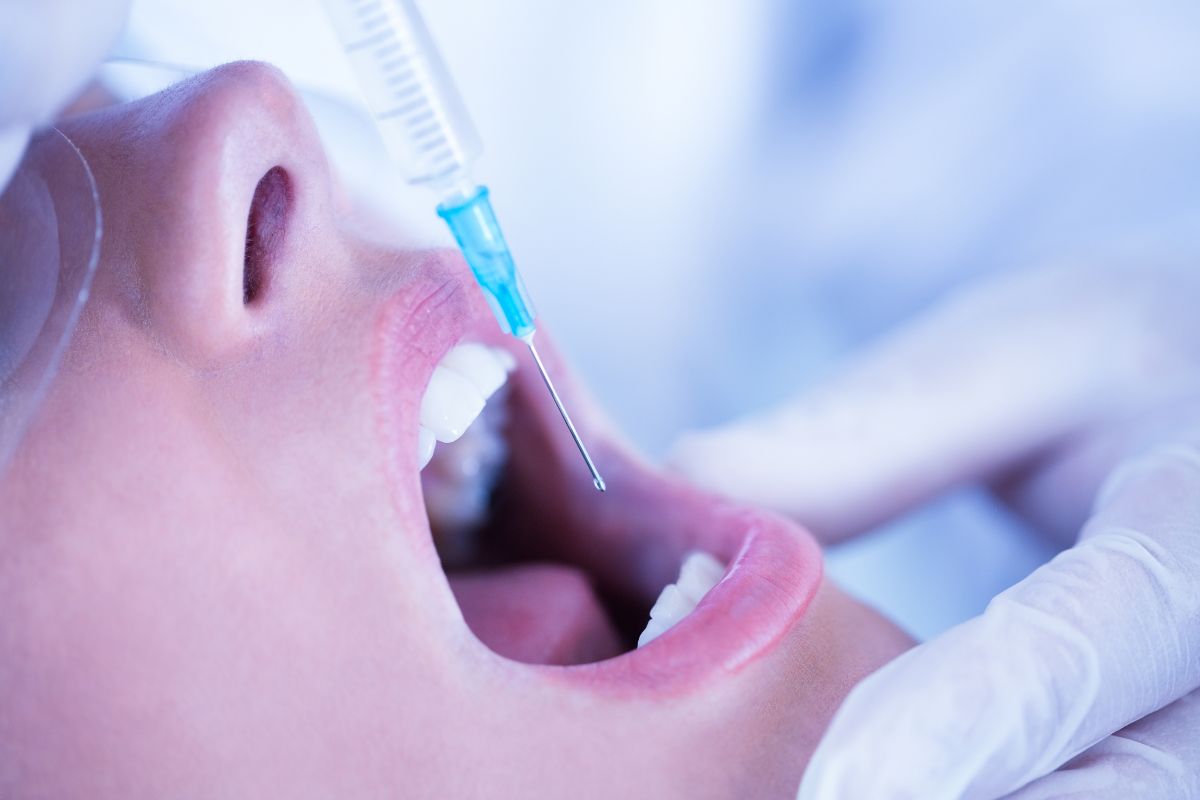
For many Americans, visiting the dentist is a stressful experience. In fact, studies show that nearly 36% of adults in the U.S. avoid dental care due to fear or anxiety. Whether it’s the sound of the drill, previous negative experiences, or a fear of pain, dental anxiety can prevent patients from maintaining healthy teeth and gums. Thankfully, sedation dentistry offers a safe and effective solution for those with dental fear.
Understanding Dental Anxiety
Dental anxiety ranges from mild nervousness to full-blown dental phobia. Common triggers include worry about pain, feeling embarrassed about oral health, or discomfort with the sights and sounds of a dental office. When left unaddressed, anxiety can lead to delayed appointments, worsening oral health, and even emergency dental problems.
What is Sedation Dentistry?
Sedation dentistry uses medications to help patients relax during dental procedures. It doesn’t necessarily put you to sleep; it calms nerves and reduces discomfort. Dentists in the U.S. commonly use several types of sedation:
- Nitrous oxide (laughing gas): Inhaled for mild relaxation; wears off quickly.
- Oral sedation: A pill taken before the appointment to produce moderate relaxation.
- IV sedation: Administered intravenously for more profound sedation, often used for longer or more complex procedures.
Depending on the patient’s needs, sedation can be minimal, moderate, or profound. Importantly, all forms of sedation used in dentistry are FDA-approved and closely monitored for safety.
How Sedation Dentistry Helps With Anxiety
Sedation dentistry calms your mind and body, making dental procedures less stressful. Patients remain relaxed and sometimes only partially aware of the procedure, which can be especially helpful for those with:
- Extreme dental anxiety or phobia
- Low pain tolerance
- Need for complex or lengthy dental procedures
- Children who fear dental visits
Sedation dentistry reduces fear and stress, allowing patients to receive the care they need without unnecessary worry. Many patients report feeling more comfortable and cooperative during their visits, which also helps dentists provide more effective care.
Safety and Considerations
Safety is a top priority in sedation dentistry. Before treatment, your dentist will review your medical history and current medications to determine the safest sedation option. During the procedure, trained dental professionals monitor your vital signs and adjust sedation levels. Recovery is usually quick, but for oral or IV sedation, arranging transportation home is recommended.
Common misconceptions, like “sedation is dangerous” or “I will be completely unconscious,” are largely unfounded. Modern sedation techniques are safe when administered by trained professionals.
Preparing for Sedation Dentistry
Preparation ensures a smooth, comfortable experience. Your dentist may provide instructions such as:
- Avoiding food or drink for a specific period before the appointment
- Taking prescribed medications as directed
- Arranging a ride home if required
Following these guidelines helps make your sedation experience safe and stress-free.
Benefits Beyond Anxiety Relief
Sedation dentistry doesn’t just ease fear—it improves overall oral health. Patients previously hesitant about dental visits can now maintain regular checkups, reduce the risk of serious dental issues, and avoid emergency treatments. It’s a solution that benefits both short-term comfort and long-term oral care.
Say Goodbye to Dental Anxiety Today
Dental anxiety doesn’t have to prevent you from getting the care you need. Sedation dentistry provides a safe, effective way to relax, stay comfortable, and complete necessary procedures without fear. If you struggle with dental anxiety, talk to your dentist about sedation options to make your next visit anxiety-free.
Don’t let fear control your oral health. Schedule a consultation today to discuss sedation dentistry and take the first step toward anxiety-free dental care.
Related Articles
New Patients & Emergency Appointments Welcome!
