

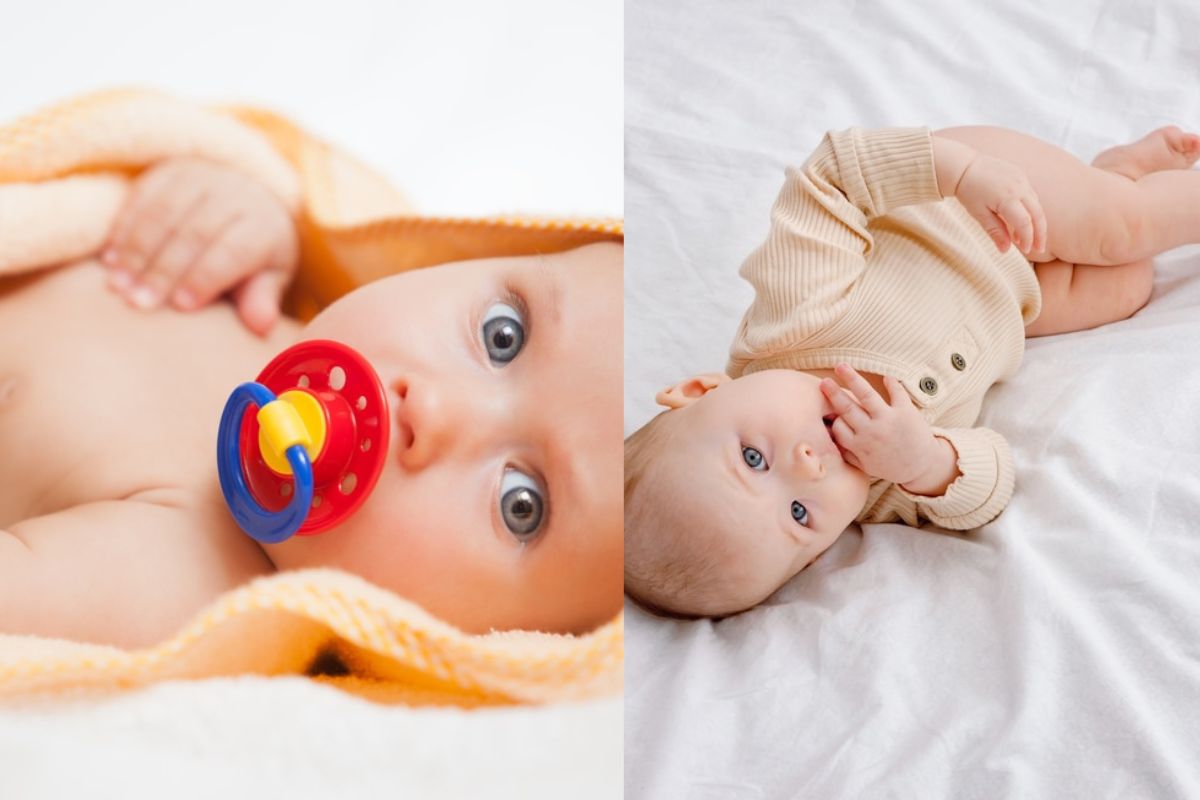
As a parent, you want to give your baby the best start, especially regarding oral health. Two of the most common soothing habits babies develop are pacifier use and thumb sucking. Both help babies self-soothe and feel secure, but which one is safer for your baby’s developing teeth and gums? Let’s break down the pros and cons to help you make an informed decision.
Sucking is a natural reflex for infants. It helps them feel calm, supports feeding, and provides comfort during stressful moments or before sleep. While pacifiers and thumb-sucking serve similar purposes, they impact oral health differently as your child grows.
Pacifiers vs. Thumb Sucking: What Pediatric Dentists Say
Most pediatric dentists recommend pacifiers over thumb sucking because pacifiers allow better control over the duration and can be easier to wean your child off. According to a trusted pediatric dentist in Barberton, pacifier use typically poses less risk for long-term dental issues compared to thumb sucking, especially if the habit ends by age 3.
Thumb sucking tends to be a more persistent habit since the thumb is always available. This constant pressure on the teeth and gums can cause misalignment, such as an open bite or crossbite, affecting your child’s bite and speech development.
Impact on Oral Health: What to Watch For
If prolonged beyond the toddler years, both habits can lead to dental problems. Here’s how each affects oral development:
- Pacifiers: Overuse can push teeth out of alignment, but since parents can limit pacifier use, it often causes fewer issues. Pacifiers designed with orthodontic features help minimize dental risks.
- Thumb Sucking: The thumb’s natural shape and constant presence in the mouth can distort the roof of the mouth, push front teeth forward, and increase the risk of bite problems.
Regardless of the habit, prolonged sucking can increase the risk of infections or changes in oral muscle function. This is why regular dental checkups with a pediatric dentist become essential to monitor your baby’s oral growth.
Tips to Protect Your Baby’s Smile
If your child uses a pacifier or sucks their thumb, here are some tips to protect their oral health:
- Set Limits Early: Encourage your child to give up pacifiers by age 2-3. For thumb-sucking, gentle positive reinforcement works best.
- Choose the Right Pacifier: Use orthodontic pacifiers to reduce pressure on developing teeth.
- Keep It Clean: Regularly clean pacifiers to prevent infections and buildup of bacteria.
- Watch for Signs: Look out for changes in your child’s bite or speech and consult your pediatric dentist promptly.
- Offer Alternatives: Help your child find other soothing methods, like cuddling a favorite toy or blanket.
When to See a Pediatric Dentist
If your toddler still sucks their thumb or uses a pacifier past age 3, or if you notice misaligned teeth, open bite, or speech delays, schedule an appointment with a pediatric dentist. Early intervention can prevent costly and complicated dental treatments later.
A pediatric dentist can assess your child’s oral health, advise on breaking the habit, and recommend orthodontic solutions if needed. Early guidance sets your child up for a lifetime of healthy smiles.
Final Thoughts: Choosing the Safer Habit for Your Baby’s Oral Health
While both pacifiers and thumb sucking provide comfort, pacifiers generally pose less risk to your baby’s developing teeth, mainly when used responsibly and weaned off by age 3. Thumb sucking, due to its constant nature, carries a higher chance of dental complications if it continues unchecked.
Always observe your child’s oral development and consult your pediatric dentist for personalized advice. Acting early and providing support can help your baby enjoy soothing habits without compromising their beautiful smile.
Ready to Protect Your Baby’s Smile?
If you have concerns about your child’s pacifier use or thumb-sucking habits, don’t wait. Schedule an appointment with a trusted pediatric dentist today to get expert guidance tailored to your child’s needs. Your baby’s healthy smile starts here.


New Patients & Emergency Appointments Welcome!
