

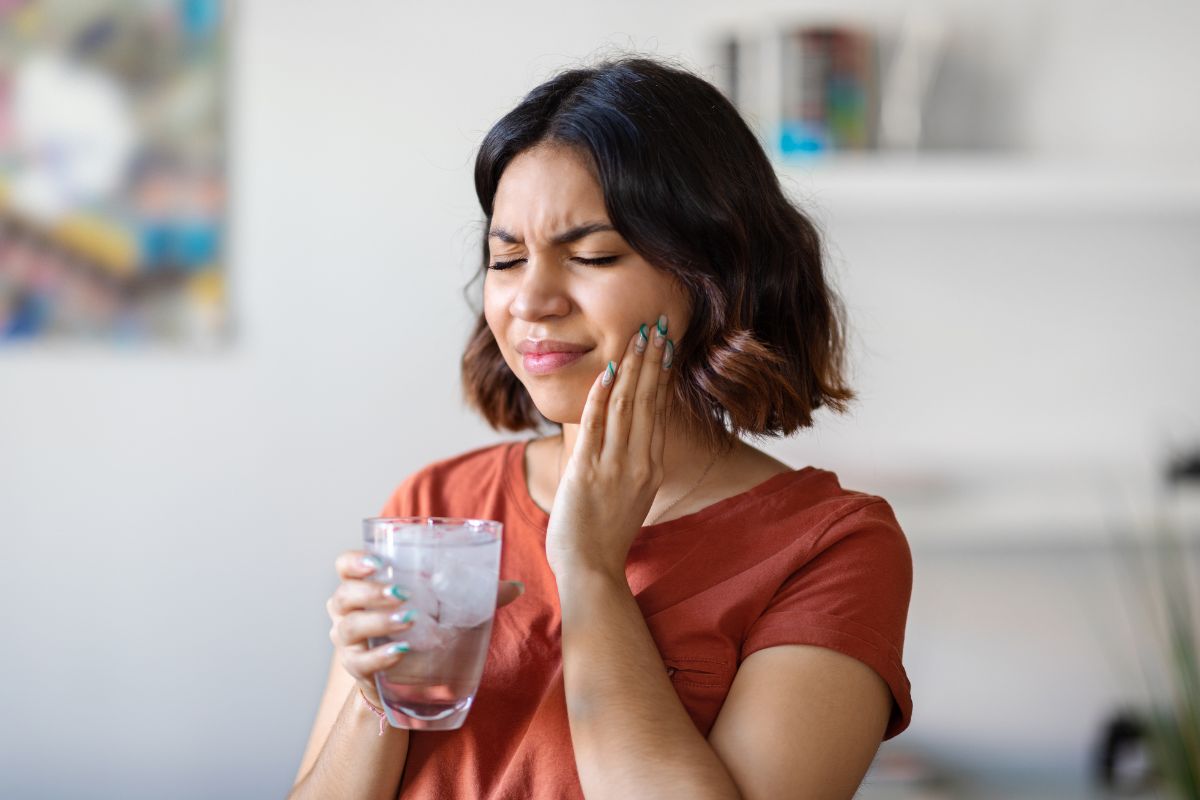
Americans love frozen treats—ice cream cones on a hot day, iced coffee on the way to work, or a cold smoothie after a workout. But if your teeth send a sharp zing of pain every time you take a bite or sip, you’re not alone. Tooth sensitivity affects millions of people across the U.S., and cold foods tend to trigger it the most.
In this guide, we break down why frozen treats cause discomfort, what it means for your oral health, and how you can enjoy your favorite icy snacks without the sting. If you live near Barberton, this one’s especially for you—because relief may be closer than you think.
How Tooth Sensitivity Works (Explained)
Tooth sensitivity happens when the protective outer layer of your tooth—called enamel—wears down or when your gums recede. This exposes the dentin underneath, which contains tiny pathways that lead directly to the tooth’s nerve.
When something cold touches these exposed areas, the nerve reacts instantly, creating that familiar sharp, sudden pain. Even a quick sip of iced water can send a shock of discomfort.
Why Frozen Treats Trigger Sensitivity
1. Worn-Down EnamelEnamel weakens over time due to:
- aggressive brushing
- acidic foods and drinks
- nighttime grinding
- natural aging
When enamel thins, frozen foods can reach your dentin faster, causing discomfort with every bite.
2. Gum Recession
When your gums pull back from the teeth, the roots become exposed—and roots have no enamel at all. That means even mildly cold treats can feel painfully intense.
3. Tooth Decay
Small cavities expose sensitive areas of the tooth. Many people first notice decay when cold foods start causing a “shock-like” sensation.
4. Cracked or Chipped TeethEven the tiniest crack can act like a direct doorway to your tooth’s nerve. Biting ice, sports injuries, or grinding can create microscopic fractures that make frozen treats painful.
5. Recent Dental WorkFillings, crowns, whitening treatments, and deep cleanings can temporarily increase sensitivity. Fortunately, this usually fades within a few days or weeks.
Are Frozen Treats “Bad” for Sensitive Teeth?
Cold itself isn’t harmful, but when combined with sugar, frozen treats can create a double challenge:
- Cold temperature triggers pain
- Sugar encourages enamel erosion and cavities
Over time, this may worsen sensitivity, especially if you snack frequently or let frozen food melt slowly in your mouth.
Quick Relief: What You Can Do Right Away
1. Choose Softer, Creamier OptionsSoft-serve, gelato, frozen yogurt, and smoothies tend to be easier on your teeth because they aren’t as icy or hard.
2. Don’t Bite Into Cold FoodsLet your ice cream soften, or your smoothie warm slightly. Biting down on hard, frozen foods can send an instant jolt of pain.
3. Use a StrawA straw helps cold liquids bypass the most sensitive areas of your mouth.
4. Try a Desensitizing ToothpasteThese toothpastes block pain signals from the tooth to the nerve. With consistent use, most people feel relief in 2–4 weeks.
5. Rinse With Warm Water After Cold FoodsThis balances the temperature in your mouth and reduces discomfort.
Long-Term Solutions Your Dentist Can Provide
If tooth sensitivity is affecting your everyday comfort, professional treatment can make a huge difference. At Austin Park Dental, we offer several solutions depending on what’s causing your sensitivity:
1. Fluoride ApplicationsFluoride strengthens enamel and helps reduce long-term sensitivity.
2. Bonding TreatmentsBonding covers exposed roots or worn enamel, giving the tooth new protection.
3. Gum TherapyIf gum recession is the cause, restoring gum health helps protect your roots and reduce sensitivity.
4. Filling or Crown for Cracks or CavitiesRepairing the damage prevents the cold from reaching the nerve.
5. Night GuardsIf grinding is weakening your enamel, a custom night guard helps protect your teeth while you sleep.
Is Cold Sensitivity Ever a Sign of Something Serious?
Yes—in some cases. Sensitivity that:
- lasts longer than a few seconds
- occurs in one specific tooth
- includes pain when chewing
- worsens over time
- appears suddenly without explanation
It can indicate a deeper issue, such as an infection, a cracked tooth, or advanced decay. These conditions require immediate dental attention.
Can You Still Enjoy Frozen Treats? Absolutely.
Most people with sensitive teeth can still enjoy their favorite icy snacks with the proper care. Choose creamy textures and moderate sugar, and avoid biting directly into cold foods. If sensitivity becomes more frequent or painful, it’s time to get it checked.
Schedule a Sensitivity Relief Visit at Austin Park Dental
If frozen treats make your teeth ache, we can help. At Austin Park Dental in Barberton, Ohio, our team identifies the exact cause of your sensitivity and recommends the best solution to relieve it fast. Don’t let tooth pain stop you from enjoying your favorite foods. Schedule your appointment today and take the first step toward comfortable, confident eating—no matter the temperature.



New Patients & Emergency Appointments Welcome!
