

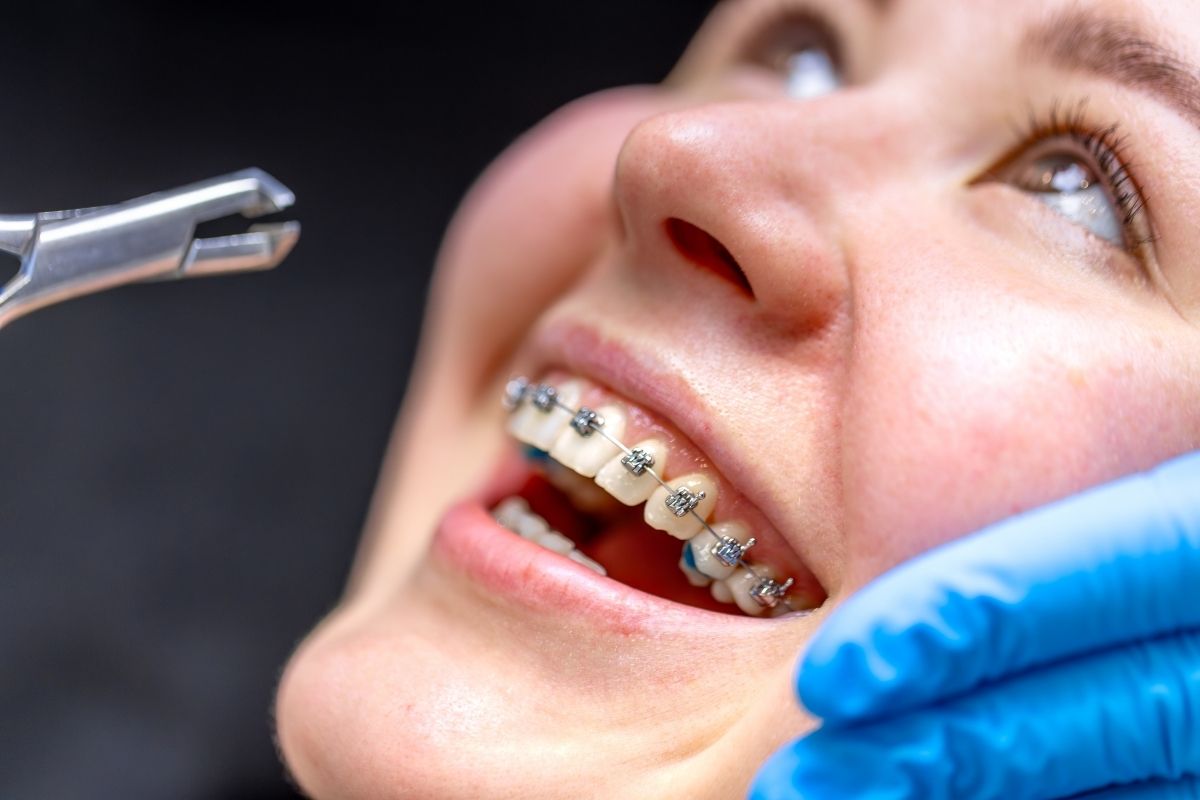
Your first orthodontic visit is an important step, but it doesn’t have to feel overwhelming. Visiting an orthodontist for braces is primarily about understanding your dental needs, exploring options, and getting expert guidance in a comfortable setting. Whether you’re a parent preparing for your child’s appointment or an adult considering treatment, knowing what to expect can make the experience smoother and more reassuring. This guide walks you through each stage of your first visit so you can feel confident and prepared from the moment you walk in.
Getting Ready Before You Arrive
A little preparation can go a long way in making your first visit efficient and stress-free. Most orthodontic offices will ask for basic details such as your medical and dental history, current medications, and insurance information. Bringing this information or completing forms online in advance helps your care team better understand your overall health.
It’s also helpful to come with questions. You might be curious about treatment timelines, different types of braces, or how orthodontic care fits into your lifestyle. This visit is as much about learning as it is about evaluation, so don’t hesitate to speak up.
A Warm Welcome and Initial Paperwork
When you arrive, you’ll typically be greeted by the front desk team and guided through any remaining paperwork. This step ensures that your orthodontist has accurate information before beginning your evaluation.
During this time, you may also get a quick introduction to the office environment. Many patients find that simply seeing the space and meeting the team helps reduce any nervousness.
A Close Look at Your Smile and Bite
Once you’re settled in, the next step is a thorough examination. This is where your orthodontist evaluates your teeth, jaw alignment, and overall bite function. The goal is to identify concerns such as:
- Crowding or spacing issues
- Misaligned teeth
- Bite irregularities (like overbite or underbite)
To get a complete picture, the team may use modern diagnostic tools such as digital X-rays, intraoral scans, or photographs. These tools allow for precise planning and help track your progress over time.
According to the American Association of Orthodontists, early evaluation can play a key role in preventing more complex issues later, especially for younger patients.
Reviewing Findings and Understanding Your Needs
After the exam, your orthodontist will sit down with you to explain what they observed. This conversation is one of the most valuable parts of the visit. You’ll learn:
- What alignment or bite issues are present
- How these issues may affect your oral health
- Whether treatment is recommended now or later
This is also your opportunity to ask questions and share your goals. Whether you’re aiming for improved appearance, better function, or both, your orthodontist will tailor recommendations to your needs.
Exploring Treatment Options
If treatment is recommended, you’ll be introduced to different solutions that can help achieve your desired results. These may include:
- Traditional metal braces
- Ceramic (tooth-colored) braces
- Clear aligners like Invisalign
- Other custom orthodontic appliances
Each option has its own benefits, and your orthodontist will explain how they work, what to expect during treatment, and how they fit into your daily routine.
Creating a Personalized Treatment Plan
Based on your exam and discussion, your orthodontist will develop a customized treatment plan. This plan outlines:
- The recommended type of braces or aligners
- Estimated treatment duration
- Expected outcomes
- Any preparatory steps needed before starting
This step ensures your care is tailored specifically to your smile, rather than a one-size-fits-all approach.
Planning the Next Steps
Once you’ve reviewed your treatment plan, the next step is scheduling future visits. In most cases, braces are not placed during the first appointment. This allows time for careful planning and preparation.
Your next visit may involve:
- Placing braces or receiving aligners
- Additional imaging or assessments
- Instructions for maintaining oral hygiene with braces
Regular follow-up visits will also be scheduled to monitor progress and make adjustments as needed.
What Makes This Visit Important
Your first orthodontic appointment is more than just an evaluation; it’s the foundation for your entire treatment journey. It helps ensure that:
- Your treatment is personalized and effective
- Potential issues are identified early
- You feel informed and confident about your decisions
For patients searching for an orthodontist in Barberton, this initial visit is a valuable opportunity to connect with a local provider and understand their options close to home.
Conclusion
Your first orthodontic visit is a straightforward, informative experience designed to set you up for success. From the initial paperwork to the detailed exam and personalized treatment plan, every step focuses on helping you achieve a healthier, more confident smile. If you’re ready to take the next step or have questions about your options, reaching out to a trusted local provider can make all the difference. Contact Austin Park Dental today to schedule your consultation and begin your journey toward a better smile.



New Patients & Emergency Appointments Welcome!
