


If you’re taking Ozempic, Wegovy, Zepbound, or another GLP-1 medication and you’re considering dental implants, you may have a question that isn’t always addressed during a routine implant consultation:
Could your medication affect your gums, jawbone, or ability to heal around a dental implant?
The answer isn’t a simple yes or no.
Current evidence does not establish that Ozempic, Wegovy, or Zepbound directly cause dental implant failure. However, these medications can produce side effects and metabolic changes that may indirectly affect oral health and potentially become relevant when you’re planning implant treatment.
For patients in Barberton, OH, the important step is not automatically stopping a medication.
It’s making sure your dentist knows you’re taking it and that your oral and overall health are considered before treatment.
What Are Ozempic, Wegovy and Zepbound?
Ozempic and Wegovy contain semaglutide, while Zepbound contains tirzepatide.
These medications belong to the GLP-1 or GLP-1/GIP medication category and are used for conditions including type 2 diabetes and chronic weight management.
Their effects go beyond appetite.
They can slow gastric emptying, influence appetite and food intake, and cause gastrointestinal side effects such as nausea, vomiting and reflux.
Those effects are relevant to dentistry because your mouth is connected to the rest of your digestive and metabolic system.
A 2026 review in the Canadian Journal of Diabetes found that semaglutide’s potential oral-health effects appear to be indirect, with dry mouth, reflux, vomiting and nutritional changes among the concerns identified. The review found no published evidence that semaglutide directly changes enamel, dentin, pulp, or the periodontal ligament.
Can Ozempic or Wegovy Cause Gum Problems?
The medications have not been proven to directly cause gum disease.
However, some of their side effects can create conditions that make maintaining oral health more difficult.
For example, dry mouth reduces saliva.
Saliva helps lubricate the mouth, clear food particles and buffer acids. If saliva flow decreases, the mouth may become more vulnerable to problems such as tooth decay, irritation and bad breath.
Reflux and vomiting create another concern because stomach acid can repeatedly contact the teeth and contribute to enamel erosion.
Reduced food and fluid intake can also make hydration and adequate nutrition more challenging.
These aren’t the same thing as saying:
“Ozempic cause gum disease.”
The more accurate statement is that some GLP-1-related side effects may indirectly influence the oral environment.
What About Zepbound and Gum Health?
Zepbound contains tirzepatide rather than semaglutide, so research on semaglutide should not automatically be treated as direct evidence about tirzepatide.
However, the medications have some overlapping effects, including appetite suppression and gastrointestinal symptoms.
For someone with existing periodontal disease, dry mouth, poor nutrition, or difficulty maintaining oral hygiene, those changes are worth discussing with the dental team.
Your dentist should know about all prescription medications, including weight-management medications.
That information can help with treatment planning and communication with your physician.
Can GLP-1 Medications Affect Dental Implant Healing?
There is not currently enough evidence to say that Ozempic, Wegovy or Zepbound directly prevent dental implants from healing successfully.
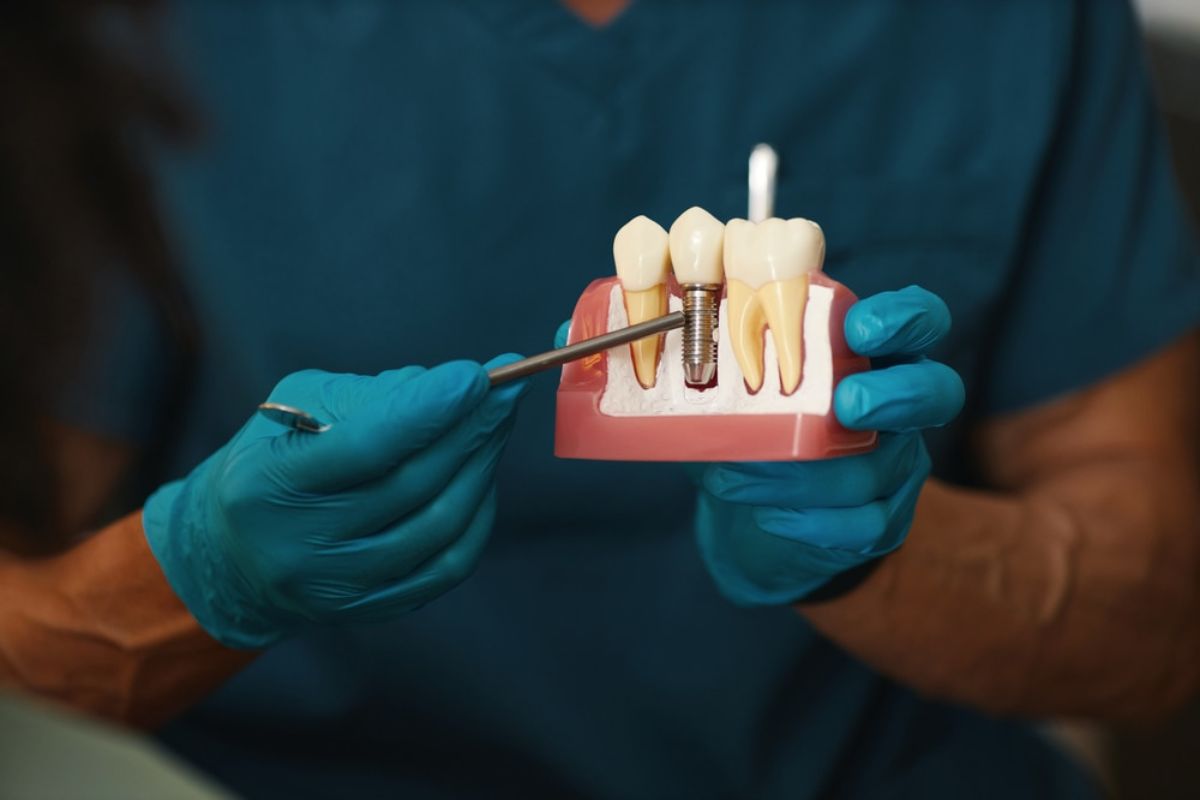
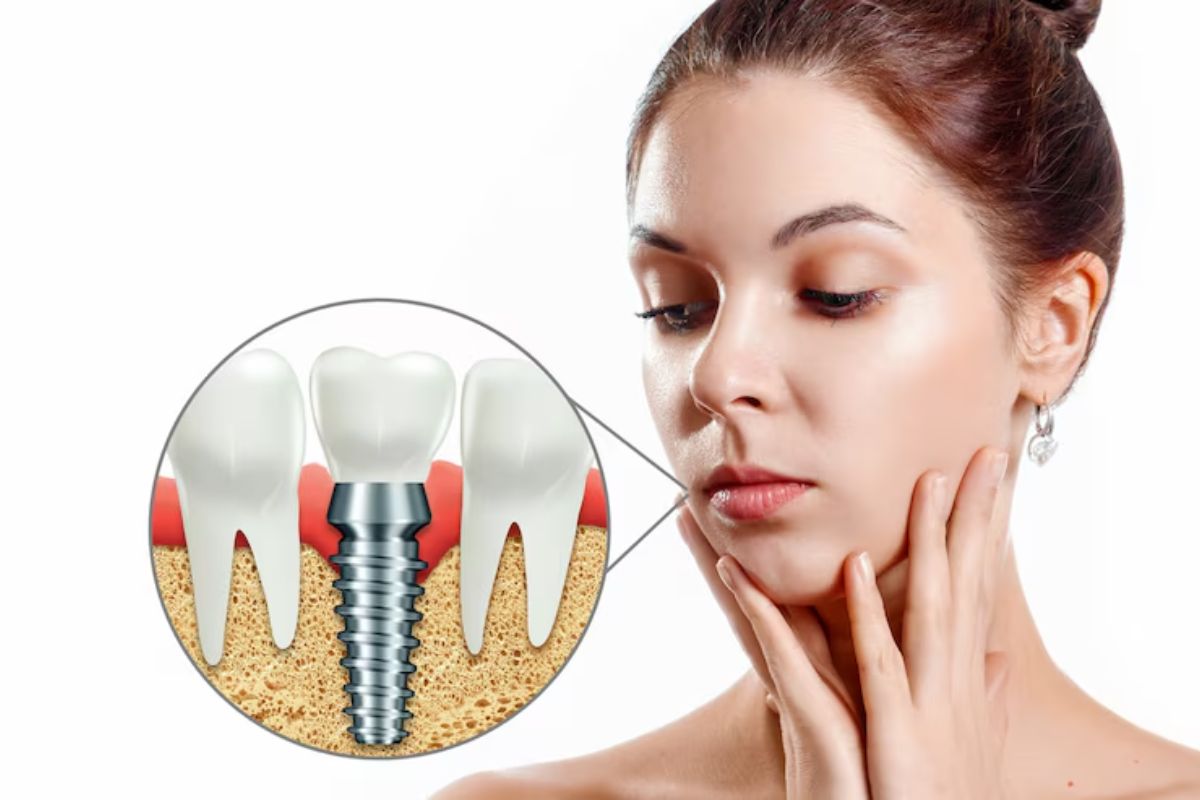
Dental implants require the implant to integrate with the surrounding jawbone through a process called osseointegration.
Austin Park Dental explains that implant treatment involves placing the titanium implant into the jawbone and allowing time for it to integrate before the final restoration is attached. Depending on the treatment, healing can take several months.
The emerging question is whether rapid weight loss, changes in nutrition, hydration, or bone metabolism could influence that healing environment.
The American Dental Association has highlighted peri-implant health and possible bone-density changes as areas dentists should pay attention to in patients using GLP-1 medications, particularly during rapid weight loss. However, this is an emerging concern not proof that GLP-1 medications cause implant failure.
That distinction is important.
Why Does Nutrition Matter Before an Implant?
Your body needs adequate nutrients to repair tissue and support bone health.
If a medication substantially reduces your appetite, you may unintentionally consume less protein, calories, fluids, or other nutrients.
That doesn’t mean you should stop your medication.
It means your healthcare team should know what’s happening.
If you’re losing weight rapidly or struggling to eat and drink enough, tell your physician and dentist.
Before implant treatment, your dentist can assess your overall oral health, gum condition, jawbone volume and other factors that influence whether an implant is appropriate.
Austin Park Dental notes that adequate bone density is important for implant support and that some patients require bone grafting before implant placement.
What If You Already Have Gum Disease?
This is more important than the medication name itself.
Active periodontal disease can damage the bone supporting your teeth and can affect the foundation needed for dental implants.
Austin Park Dental explains that periodontal disease can cause jawbone loss and that bone grafting may sometimes be needed to create a stronger foundation for an implant.
If you’re taking a GLP-1 medication and already have bleeding gums, gum recession, loose teeth, or periodontal disease, address those problems before assuming you’re ready for implant placement.
Healthy gums and adequate bone are fundamental parts of implant planning.
Should You Stop Ozempic Before Dental Implant Surgery?
Do not stop Ozempic, Wegovy, Zepbound, or another prescribed medication on your own.
Whether a medication should be paused depends on the medication, your medical condition, the planned procedure, anesthesia or sedation requirements, and your prescribing clinician’s instructions.
GLP-1 medications can slow gastric emptying, which has also become an important consideration around procedures involving sedation or anesthesia.
Your dentist and prescribing physician may need to coordinate before surgery.
Tell your dental team:
- Which GLP-1 medication you take
- Your current dose
- When you last took it
- How long you’ve been taking it
- Whether you’re experiencing nausea or vomiting
- Whether you’ve experienced significant reflux
- Whether you’ve had substantial recent weight loss
- Any other medications you’re taking
That information can be clinically important.
What Should Barberton, OH Implant Patients Watch For?
If you’re taking a GLP-1 medication, pay attention to changes in your mouth.
Contact your dentist if you develop:
- Persistent dry mouth
- New or worsening gum bleeding
- Gum swelling
- Increasing tooth sensitivity
- Persistent bad breath
- Repeated vomiting or reflux
- Difficulty eating or drinking enough
- Loose teeth
- Changes around an existing implant
- Pain or swelling around an implant
An existing implant should also be monitored for signs of inflammation.
A 2025 systematic review of peri-implant care emphasizes the importance of consistent oral self-care in preventing peri-implant disease.
What If You’re Planning Dental Implants in Barberton?
If you’re considering implants in Barberton, Akron, Norton, Wadsworth, Green, or nearby Summit County communities, tell your dentist about your GLP-1 medication before treatment begins.
At Austin Park Dental, dental implants are used for single-tooth replacement, multiple-tooth restoration, implant-supported dentures, and full-arch solutions such as All-on-4. The practice also evaluates jawbone density and offers bone-grafting procedures when additional support is needed.
The practice’s implant process includes evaluation of the jawbone, gums and available space before treatment, followed by a healing period that allows the implant to integrate with the bone.
If you’re taking Ozempic, Wegovy or Zepbound and considering an implant, schedule a consultation and bring your current medication information with you.
You can also meet our doctors and discuss your dental and implant goals with Drs. Lynn and Bruce Hjerpyn.
The Bottom Line
Ozempic, Wegovy and Zepbound are not currently proven to directly damage dental implants or cause implant failure.
The bigger issue is what can happen indirectly.
Dry mouth, reflux, vomiting, reduced food and fluid intake, nutritional changes and rapid weight loss may all become relevant to oral health and implant planning. Current dental literature specifically recommends that clinicians remain aware of these potential effects as GLP-1 use increases.
If you’re considering a dental implant, don’t stop your medication because of something you read online.
Instead, tell your dentist and prescribe healthcare professionals.
Your implant plan should consider your gum health, jawbone, nutrition, hydration, medical history and medication use together.
That approach is far more useful than assuming that the medication itself is either completely harmless to your mouth or automatically incompatible with dental implants.
Frequently Asked Questions
Can Ozempic cause dental implant failure?
There is currently insufficient evidence to establish that Ozempic directly causes dental implant failure, although related factors such as nutrition, hydration and rapid weight loss may be relevant to implant planning.
Can Wegovy affect gum health?
Wegovy has not been proven to directly cause gum disease, but semaglutide-related dry mouth, reflux, vomiting and nutritional changes may indirectly affect oral health.
Can Zepbound affect dental implants?
There is not enough evidence to show that Zepbound directly causes implant failure, but patients should tell their dentist about tirzepatide use before implant surgery.
Should I stop Ozempic before dental implant surgery?
Do not stop Ozempic or another prescribed GLP-1 medication without instructions from the clinician managing the medication and the dental or surgical team performing the procedure.
Can I get dental implants while taking a GLP-1 medication?
Many patients may still be candidates for dental implants while taking GLP-1 medications, but eligibility depends on gum health, bone quality, medical history, nutrition, medication effects and the individual treatment plan.
New Patients & Emergency Appointments Welcome!
