

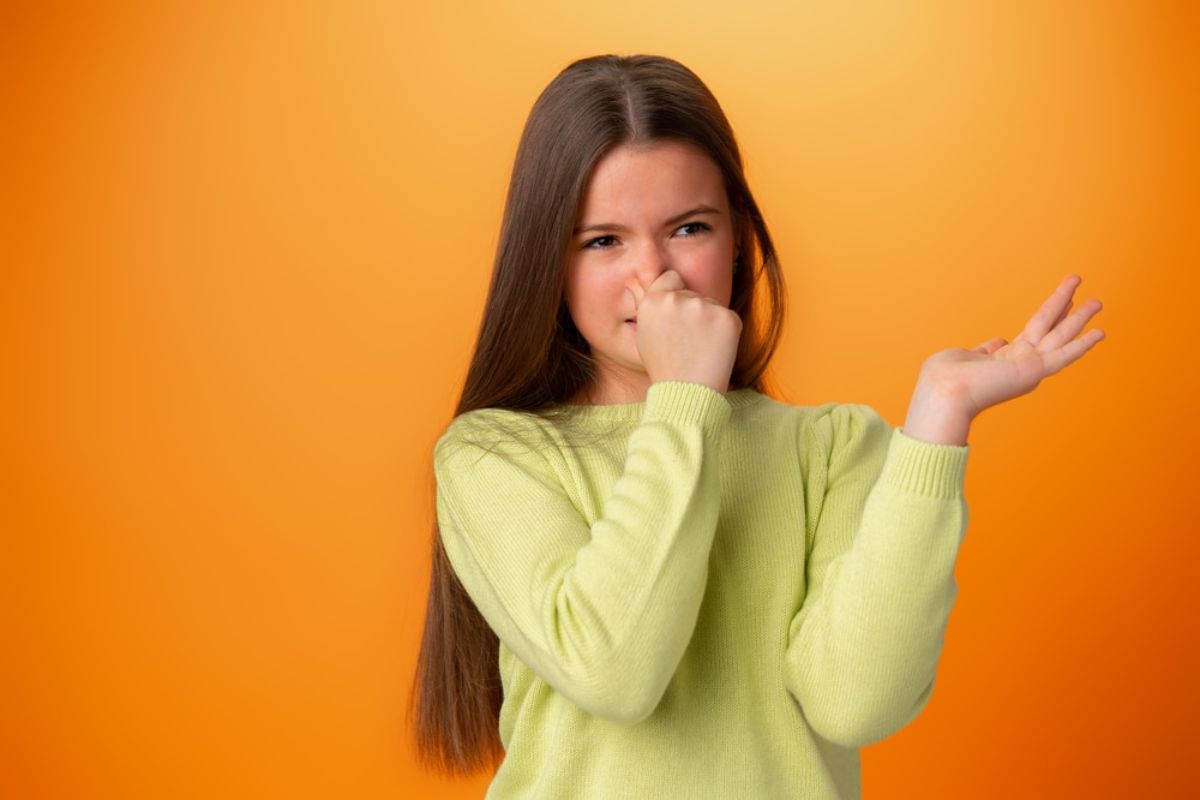
Bad breath, also known as halitosis, can affect children like adults. At the same time, it might seem like a minor issue, but persistent bad breath often points to underlying dental or health concerns. As a parent, knowing how to address and prevent this condition helps ensure your child’s smile stays fresh and healthy. Let’s break down the causes of bad breath in children and what you can do about it.
Understanding the Common Causes of Bad Breath in Kids
Most cases of bad breath stem from poor oral hygiene. When children don’t brush and floss properly, food particles remain in their mouths. These leftover bits allow bacteria to thrive, producing unpleasant odors. Dry mouth, sinus infections, and certain foods like garlic or onions can lead to temporary bad breath.
Sometimes, an object lodged in the nose (common among younger children) or an underlying medical condition like tonsillitis or acid reflux might cause foul-smelling breath. Always consult your child’s dentist or pediatrician if the bad breath persists after improving hygiene habits.
The Importance of Good Oral Hygiene
Establishing an intense oral care routine can help prevent most cases of bad breath in children. Teach your child to brush their teeth twice daily for at least two minutes using a fluoride toothpaste. Help them floss once daily to remove debris between the teeth that a toothbrush can’t reach.
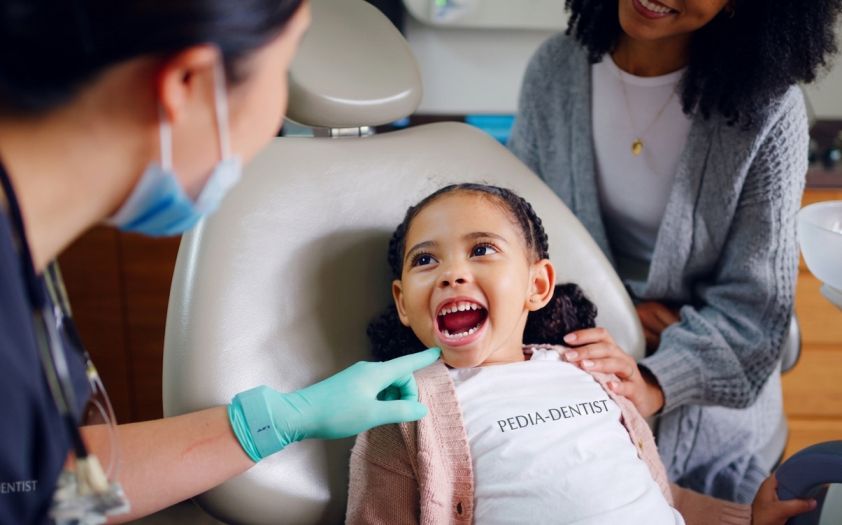
Regular dental checkups are essential. Professional cleaning removes plaque buildup and allows early detection of potential issues. Visiting a dental office specializing in pediatric dentistry ensures your child gets care tailored to their age and dental needs.
Simple Habits to Keep Breath Fresh
Hydration plays a significant role in keeping your breath fresh. Encourage your child to drink plenty of water throughout the day, especially after meals. Water helps wash away food particles and moisten the mouth, reducing bacterial growth.
Make tongue cleaning part of your child’s daily routine. A soft toothbrush or tongue scraper can remove bacteria that collect on the tongue. If your child uses a pacifier or chews on toys, clean these regularly to avoid spreading germs that contribute to odor.
Also, limit sugary snacks and beverages. Sugar feeds oral bacteria and can increase plaque and odor. Opt for healthy snacks like apples, carrots, or cheese, which naturally promote oral health.
When to Visit a Dentist
Schedule a dental visit if your child maintains a consistent oral hygiene routine but still struggles with bad breath. The dentist will check for tooth decay, gum disease, or signs of infection. Sometimes, persistent halitosis may point to a health issue beyond the mouth so that further evaluation may be necessary.
It’s also a good idea to book a dental exam if your child complains of a sore throat, swollen gums, or difficulty chewing—these symptoms may signal something more serious.
Bad breath in children is common but manageable. With the proper habits, regular dental visits, and a little guidance, you can help your child enjoy fresh breath and better oral health. Always pay attention to signs that may indicate something more serious, and don’t hesitate to seek professional advice when needed.
Take the first step toward fresher smiles—schedule your child’s dental checkup with a trusted pediatric dentist today! Healthy habits start early; a clean mouth leads to a confident smile.


New Patients & Emergency Appointments Welcome!
