

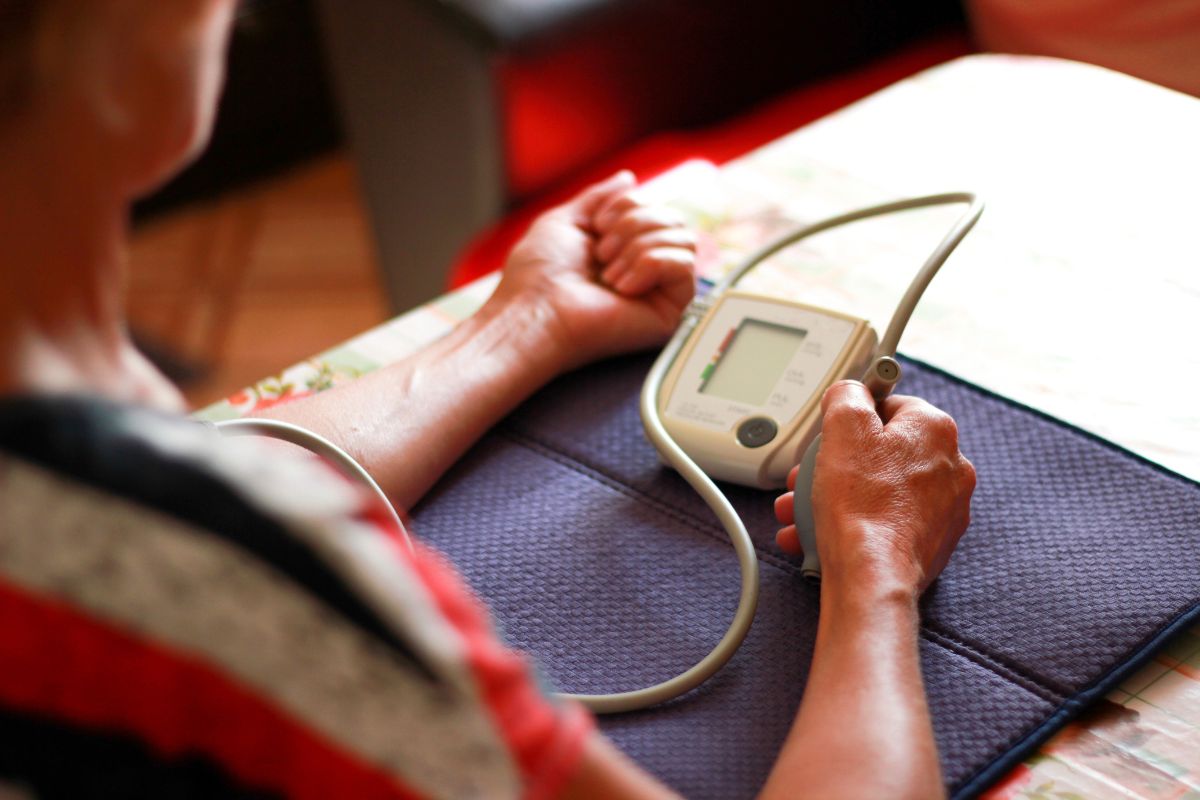
When people think about high blood pressure, they connect it to heart health, strokes, or general well-being. But did you know your dentist also cares about your blood pressure? Your dental health and overall health work hand in hand. High blood pressure can influence how your dentist approaches your care, the treatments you receive, and even the medications prescribed.
Let’s look at three critical reasons why your high blood pressure matters to your dentist and what you should know before your next appointment.
1. High Blood Pressure Can Affect Dental Treatment Safety
Dentists want to ensure that every procedure is safe. If you have high blood pressure, certain dental treatments may require extra precautions. For example, procedures involving anesthesia or numbing injections can put added stress on your cardiovascular system.
Your dentist will measure your blood pressure before treatment to avoid complications like dizziness, fainting, or spikes in blood pressure. If your numbers are too high, your dentist may recommend postponing treatment until your condition is under control. This protects both your health and ensures the procedure goes smoothly.
2. Some Medications for High Blood Pressure Affect Oral Health
Many people don’t realize that blood pressure medications can impact oral health. Common side effects include dry mouth, gum swelling, and even changes in taste. A dry mouth may increase your risk of cavities, gum disease, and bad breath. Gum swelling can make brushing and flossing difficult, leading to plaque buildup.
Dentists need to know what medications you take to personalize your care. For example, if you take calcium channel blockers, your dentist may check more closely for gum issues. They can also suggest solutions like fluoride treatments, prescription mouth rinses, or more frequent cleanings to keep your smile healthy.
3. Blood Pressure and Gum Health Are Connected
Research shows a strong link between high blood pressure and gum disease. Inflammation in your gums may contribute to elevated blood pressure, and untreated gum disease can worsen cardiovascular issues. This two-way relationship makes it critical to keep both your blood pressure and your oral health under control.
When you manage your blood pressure, you also lower your risk of severe gum problems. Regular dental checkups allow your dentist to detect early signs of gum disease, recommend professional cleanings, and guide you on protecting your teeth and gums at home.
When to Visit a Dentist
If you have high blood pressure, you should visit your dentist regularly to monitor your oral health and discuss any new medications or symptoms. Consistent care can help prevent complications and support your overall wellness.
Schedule Your Barberton Dental Visit Today
Your dentist does more than protect your smile. They also work with you to ensure your health is safe during every treatment. High blood pressure affects dental treatment safety, can cause side effects from medications, and is directly linked to gum health. By sharing your medical history and keeping your blood pressure in check, you give yourself the best chance at maintaining a healthy heart and mouth.
Ready to protect your health and smile? Schedule an appointment with our trusted dental team in Barberton today and take the next step toward better oral and overall health.
FAQs
1. Why does my dentist check my blood pressure before treatment?
Dentists check your blood pressure to ensure it’s safe to perform procedures, especially those involving anesthesia.
2. Can my blood pressure medicine cause dental problems?
Yes. Some medications can cause dry mouth, gum swelling, or other oral side effects that your dentist can help manage.
3. Is there a connection between gum disease and high blood pressure?
Yes. Gum inflammation can contribute to high blood pressure, and untreated gum disease can worsen heart health.
4. How often should I visit the dentist with high blood pressure?
You should keep up with regular checkups, at least twice a year, and inform your dentist about any changes in your health or medication.


New Patients & Emergency Appointments Welcome!
