


If you’re considering orthodontic treatment in Barberton or nearby areas like Norton, Wadsworth, or New Franklin, one of the first questions that probably comes to mind is: Do braces hurt? It’s a completely normal concern for both teens and adults starting their smile journey. The truth is, working with a braces specialist can involve some temporary discomfort, but it’s usually mild and manageable. Understanding what happens at each stage of treatment can help you feel more confident, prepared, and at ease before getting started.
What Does It Actually Feel Like When You Get Braces?
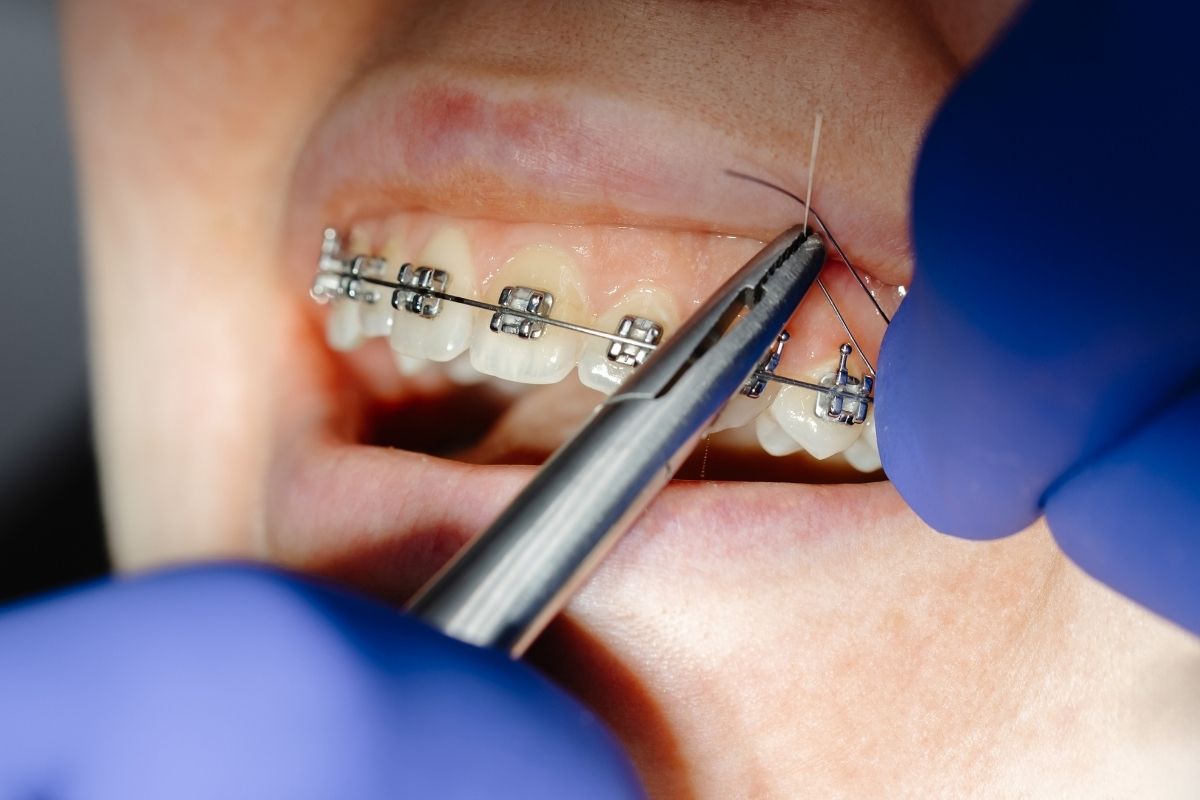
Getting braces placed is not painful. The process mainly involves attaching brackets to your teeth and connecting them with wires. You might feel some pressure while your mouth is held open, but there’s no drilling or sharp pain involved.
A few hours after your appointment, however, you may begin to notice a dull ache. This happens because your teeth are starting to respond to gentle pressure. Many patients describe it as soreness rather than pain, similar to the feeling after a workout.
Why Do Braces Cause Discomfort?
Braces are designed to gradually move your teeth into better alignment. This movement involves a natural biological process where the bone around your teeth reshapes.
Here’s what contributes to that temporary discomfort:
- Pressure on teeth: Braces apply a steady force to guide teeth into position
- Ligament adjustment: The tissues holding your teeth stretch and compress
- Inflammation response: Mild soreness occurs as your body adapts
- Soft tissue contact: Brackets and wires may rub against cheeks and lips initially
While this might sound intense, your body adapts quickly, and the discomfort fades within a few days.
When Are You Most Likely to Feel Soreness?
The First Few Days After Placement
This is when most people notice discomfort. Your teeth and gums are adjusting to something new, and sensitivity is common. Eating may feel slightly uncomfortable, especially when biting into firmer foods.
After Routine Adjustments
As your treatment progresses, you’ll visit your orthodontist every few weeks. During these visits, wires may be tightened or changed. This reactivates the pressure needed to keep your teeth moving, which can lead to short-term soreness again.
If Something Feels Off
Occasionally, a loose bracket or poking wire can irritate. This isn’t part of normal adjustment and should be checked to keep your treatment on track.
If you’re seeing an orthodontist in Barberton, they’ll guide you through each stage and make sure any discomfort stays minimal and manageable.
How Long Does the Discomfort Last?
For most patients, discomfort follows a predictable pattern:
- Days 1–3: Mild to moderate soreness begins
- Days 4–7: Sensitivity starts to fade
- After Week 1: Your mouth adapts, and braces feel more normal
After adjustments, soreness typically lasts just a couple of days. Over time, these periods become easier as your mouth gets used to the process.
Simple Ways to Manage Braces Discomfort
The good news is that there are several easy and effective ways to stay comfortable during your treatment.
Stick to Softer Foods
In the first few days, choose foods that are easy to chew, such as:
- Yogurt
- Mashed potatoes
- Smoothies
- Soup
- Scrambled eggs
Avoid hard, crunchy, or sticky foods that can increase pressure or damage brackets.
Use Orthodontic Wax
If brackets or wires rub against your cheeks or lips, orthodontic wax can create a smooth barrier and prevent irritation.
Try a Warm Saltwater Rinse
Rinsing your mouth with warm saltwater can soothe sore gums and help heal minor irritation. It’s a simple, natural remedy that works well for many patients.
Apply a Cold Compress
Placing a cold pack on the outside of your cheek can reduce inflammation and numb discomfort, especially during the first couple of days.
Consider Over-the-Counter Relief
Non-prescription pain relievers can help reduce soreness if needed. Always follow instructions and consult your dental provider if you have questions.
Does Braces Pain Feel the Same for Everyone?
Not exactly. Every patient’s experience is different.
Some people feel only mild pressure, while others may notice more sensitivity during the first few days. Factors that influence your experience include:
- Your individual pain tolerance
- The type of braces used
- The complexity of your alignment needs
- Your age (adults may feel slightly more pressure than teens)
The key takeaway? Even in cases where discomfort is more noticeable, it’s still temporary and manageable.
What About Kids vs. Adults?
For Kids and Teens
Younger patients often adapt quickly. Within a week, most kids are back to their normal routines and barely notice their braces.
For Adults
Adults may experience slightly longer adjustment periods, but the overall process is very similar. Many adults find the results well worth the short-term discomfort.
When Should You Contact Your Orthodontist?
While mild soreness is expected, certain symptoms shouldn’t be ignored. Reach out to your provider if you experience:
- Sharp or severe pain that doesn’t improve
- A broken bracket or loose wire
- Sores that worsen instead of healing
- Swelling or signs of infection
Prompt care ensures your treatment stays on track and comfortable.
The Bigger Picture: Why It’s Worth It
It’s easy to focus on the temporary discomfort, but braces are about long-term benefits. Straight teeth are easier to clean, improve bite function, and enhance your overall confidence.
Most patients find that once they get past the first week, braces become just another part of daily life.
Conclusion
So, do braces hurt? The honest answer is: sometimes, but only briefly, and usually mildly. Most discomfort happens in the first few days or after adjustments, and it fades quickly as your mouth adapts. With simple at-home care and guidance from your orthodontic team, the process is far more manageable than many people expect.
If you’re considering braces and want expert guidance in a comfortable setting, Austin Park Dental is here to help. Contact us today to schedule your consultation and take the first step toward a healthier, more confident smile.
New Patients & Emergency Appointments Welcome!
