

If you’re considering orthodontic treatment in Barberton or nearby communities like Norton, New Franklin, or Akron, you may be wondering which option fits your lifestyle best. Many patients today compare Braces vs. Clear Aligners when looking for a healthier, straighter smile that also feels comfortable and convenient. While both treatments are designed to improve alignment and bite function, they work differently and may be recommended for different dental concerns. Understanding the benefits, limitations, and daily responsibilities of each option can help you make a more confident decision when visiting an orthodontic provider in your area.
Why Straight Teeth Matter Beyond Appearance
A properly aligned smile is not only about looks. Crooked or crowded teeth can make it harder to brush and floss effectively, which may increase the risk of plaque buildup, tooth decay, and gum irritation over time. Bite problems can also contribute to uneven enamel wear, jaw discomfort, or difficulty chewing.
Orthodontic treatment can help improve oral function while supporting long-term dental health. Whether someone chooses traditional braces or removable aligners, the goal is to create a healthier bite and a smile that is easier to maintain.
Understanding How Traditional Treatment Works
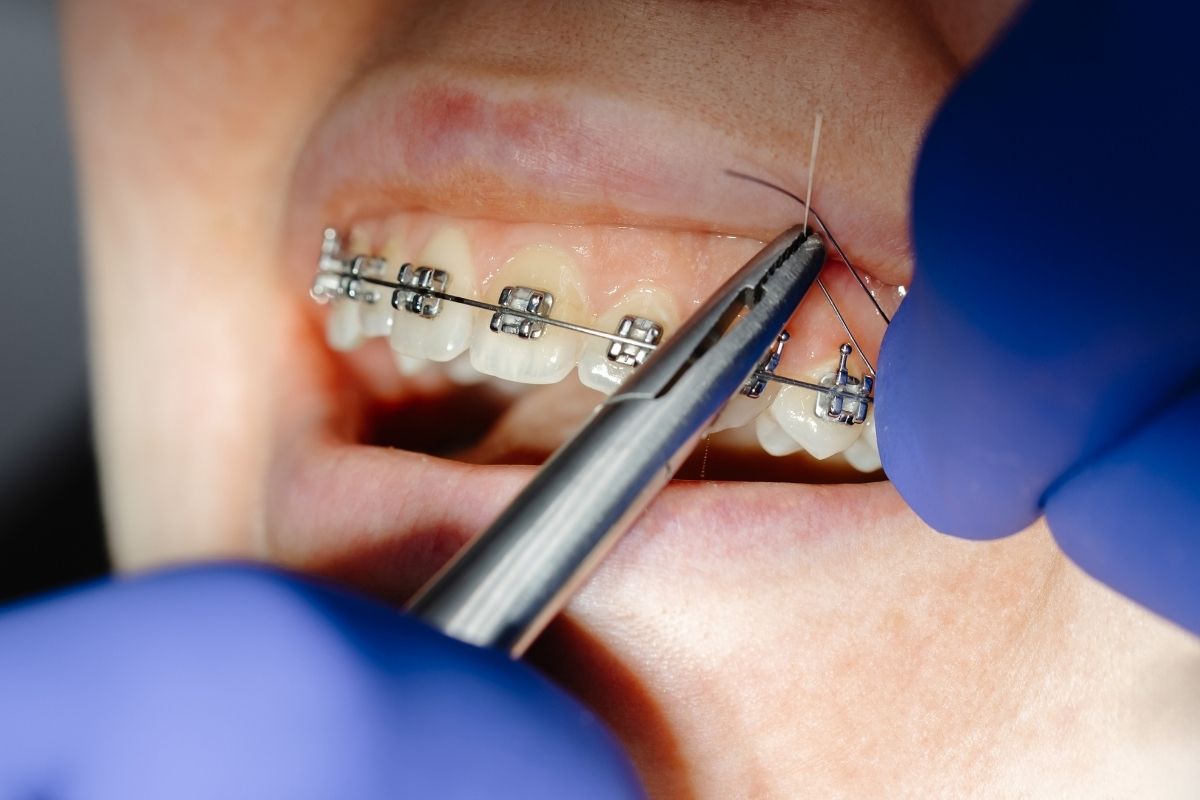
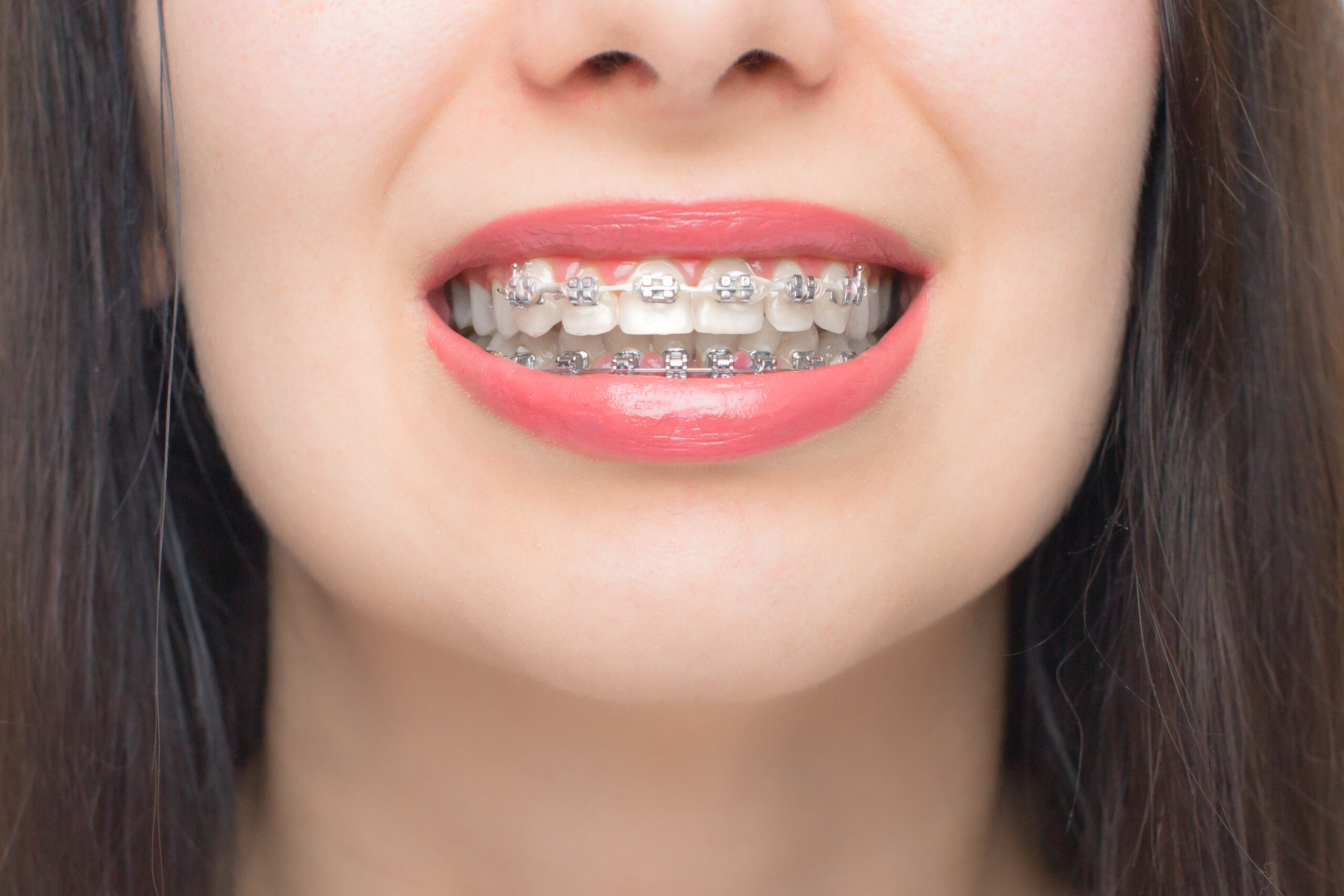
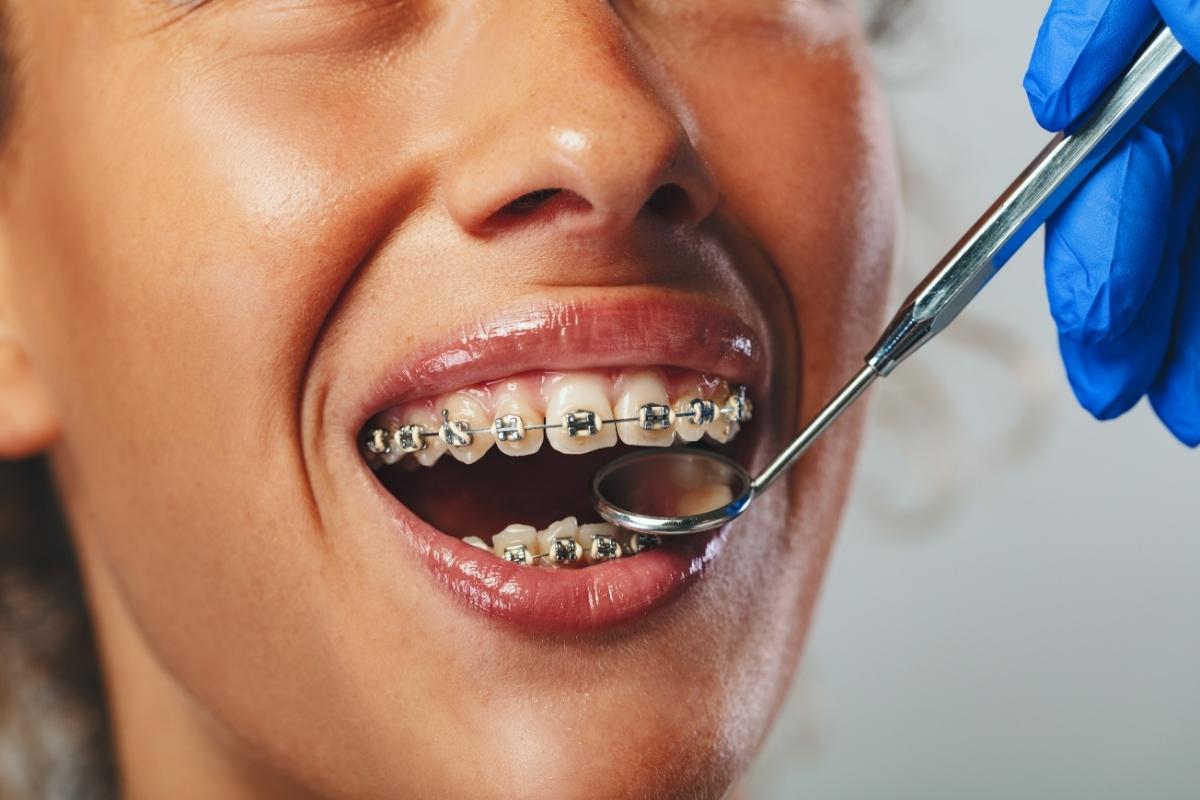
Metal braces use brackets and wires to gradually move teeth into better positions. Over time, gentle pressure guides the teeth and jaw alignment according to a customized treatment plan.
Today’s braces are smaller and more comfortable than older versions. They are often recommended for patients with:
- Severe crowding
- Rotated teeth
- Complex bite concerns
- Significant spacing issues
- Jaw alignment problems
Because braces stay attached to the teeth throughout treatment, they work continuously without relying on patient compliance. This makes them especially helpful for younger patients or individuals who may forget to wear removable trays consistently.
A More Discreet Alternative for Everyday Life
Clear aligners use a series of transparent trays that gradually shift the teeth over time. The trays are custom-made and replaced every few weeks as treatment progresses.
Many adults and teens appreciate aligners because they are nearly invisible and can be removed while eating, brushing, and flossing. This flexibility often makes daily routines easier compared to traditional braces.
Clear aligners may work well for:
- Mild to moderate crowding
- Small gaps between teeth
- Minor bite correction
- Patients wanting a less noticeable option
However, successful treatment depends heavily on wearing the trays as instructed each day. Removing them too often can slow progress and affect results.
Lifestyle Habits Can Influence the Best Choice
Orthodontic recommendations are often based on more than just tooth alignment. Lifestyle, habits, and daily routines also matter.
For example, athletes involved in contact sports may prefer aligners because they have no brackets or wires that could irritate the mouth during impact. On the other hand, patients who snack frequently throughout the day may find braces easier because aligners must be removed before eating or drinking anything other than water.
Patients who travel often or have busy schedules may also appreciate fewer emergency visits that can come from broken wires or brackets.
An experienced orthodontic provider will evaluate these factors carefully before recommending treatment.
Cleaning and Oral Hygiene During Treatment
Keeping teeth clean is important regardless of the orthodontic method used.
With braces, food particles can become trapped around brackets and wires. Patients usually need special flossing tools and should brush carefully after meals to prevent plaque accumulation.
Clear aligners allow patients to brush and floss normally after removing the trays. However, aligners themselves must also be cleaned regularly to avoid bacteria buildup and staining.
Comfort and Adjustment Periods
Most orthodontic treatments involve some temporary pressure as teeth begin shifting. This is a normal part of the process.
Braces may occasionally cause irritation from brackets or wires, especially after adjustments. Orthodontic wax is commonly used to reduce rubbing against the cheeks or lips.
Aligners generally have smoother edges, but some patients experience mild soreness when switching to a new set of trays. The discomfort usually fades within a few days as the teeth adjust.
Every patient responds differently, and comfort levels can vary depending on treatment complexity.
Which Option Usually Works Faster?
Treatment time depends on the severity of alignment issues, patient cooperation, and overall oral health.
Some mild cases treated with aligners may progress relatively quickly when trays are worn consistently. More complex cases often benefit from the precision and control that braces provide.
An orthodontist in Barberton may recommend one approach over the other after examining factors such as bite alignment, tooth rotation, spacing, and jaw positioning.
The most efficient option is often the one that best matches the patient’s specific dental needs and ability to follow treatment instructions carefully.
Questions Patients Often Ask Before Starting
Will food choices change?
Patients with braces are usually advised to avoid sticky, hard, or chewy foods that could damage brackets and wires. Aligners allow greater food flexibility because the trays are removed before meals.
Are aligners suitable for teenagers?
Many teens are excellent candidates for aligners, especially if they are responsible about wearing them consistently. Others may achieve better results with braces if compliance is a concern.
Can adults still straighten their teeth?
Absolutely. Many adults seek orthodontic treatment later in life to improve both appearance and oral health. Modern orthodontic options are designed to fit professional and social lifestyles comfortably.
Will retainers still be necessary afterward?
Yes. Retainers help maintain results after treatment is completed. Teeth naturally shift over time, so wearing retainers as directed is an important part of long-term smile stability.
Making the Decision With Professional Guidance
Choosing between braces and clear aligners is a personal decision that should be based on oral health needs, lifestyle preferences, and treatment goals. Both methods can deliver excellent outcomes when planned and monitored properly.
A thorough orthodontic evaluation helps determine which solution is likely to provide the safest, healthiest, and most predictable results for your smile.
If you are exploring orthodontic treatment options in the Barberton area, contact austin park dental to schedule a consultation and learn which approach may be right for your long-term dental health goals.
New Patients & Emergency Appointments Welcome!
