

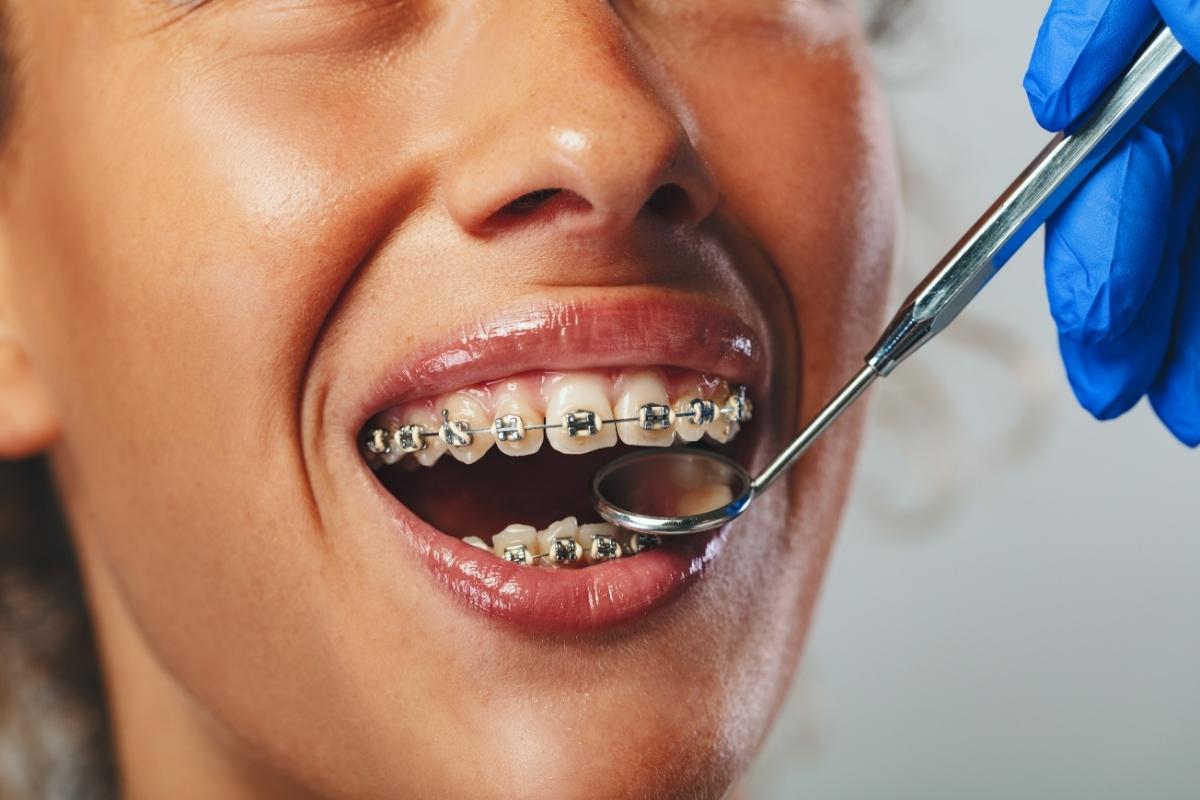
A healthy smile can improve confidence, support long-term oral health, and make everyday activities like eating and speaking more comfortable. Many families in Barberton and nearby communities such as Norton, New Franklin, and Akron often wonder when it is the right time to schedule an orthodontic evaluation. In many cases, the signs can appear earlier than expected, especially as children grow and adult teeth begin to develop. Recognizing potential concerns early may help prevent more complex dental issues later. If you have been thinking about braces for yourself or your child, understanding the warning signs can help you make informed decisions about your smile and overall dental wellness.
Changes in Tooth Alignment That Shouldn’t Be Ignored
One of the most noticeable signs that orthodontic care may be needed is visible tooth misalignment. Teeth that appear crowded, crooked, or overlapping can affect both appearance and oral hygiene. When teeth are difficult to clean properly, plaque and bacteria can build up more easily, increasing the risk of cavities and gum disease.
Spacing issues can also signal underlying bite concerns. Large gaps between teeth may affect chewing efficiency, while overcrowding can place extra pressure on neighboring teeth. In some cases, permanent teeth may erupt in unusual positions due to a lack of space in the jaw.
Parents should pay attention to how their child’s teeth develop over time. Adult teeth coming in behind baby teeth, delayed tooth eruption, or teeth shifting suddenly may all indicate that an orthodontic evaluation would be beneficial.
Everyday Discomfort Can Point to a Bigger Problem
Orthodontic concerns are not always obvious at first glance. Some people experience symptoms during daily activities without realizing they may be related to bite alignment.
Common warning signs include:
- Difficulty biting into food comfortably
- Frequent cheek or lip biting
- Jaw clicking or popping sounds
- Pain or soreness while chewing
- Speech difficulties caused by tooth positioning
- Teeth grinding during sleep
When the upper and lower teeth do not meet correctly, the jaw muscles may work harder than necessary. Over time, this strain can contribute to discomfort, uneven tooth wear, and headaches.
Children and adults alike may also notice fatigue in the jaw after meals. These symptoms should not be ignored, especially if they become more frequent over time.
Why Early Evaluations Matter for Children
The American Association of Orthodontists recommends that children receive an orthodontic evaluation by age 7. At this stage, a child typically has a mix of baby teeth and permanent teeth, making it easier to identify developmental concerns.
Early screenings do not always mean treatment will begin immediately. In many cases, orthodontists simply monitor growth and tooth eruption over time. However, early detection allows certain problems to be addressed before they become more severe.
Potential concerns often identified during childhood include:
- Early or delayed loss of baby teeth
- Crossbites or underbites
- Thumb-sucking habits that affect jaw development
- Mouth breathing
- Severely crowded teeth
- Improper jaw growth
Some orthodontic issues are easier to correct while the jaw is still developing. Timely intervention may reduce the need for more extensive treatment later in adolescence or adulthood.
Adults Can Benefit From Orthodontic Care Too
Orthodontic treatment is not only for children and teenagers. More adults today are seeking care to improve oral health, comfort, and smile appearance.
Teeth naturally shift over time, even in adulthood. Previous dental work, tooth loss, or years of grinding can contribute to alignment problems later in life. Some adults also decide to seek treatment because they were never able to address orthodontic concerns when they were younger.
Modern treatment options have made orthodontic care more discreet and convenient than ever before. Depending on individual needs, treatment may involve clear aligners, ceramic appliances, or other customized approaches designed to fit different lifestyles.
Adults often pursue treatment to improve:
- Bite function
- Smile confidence
- Ease of cleaning teeth
- Long-term dental health
- Jaw comfort
Straight teeth are generally easier to maintain, which can support better oral hygiene habits and reduce the risk of future dental complications.
Habits and Growth Patterns That Deserve Attention
Some orthodontic problems develop gradually due to oral habits or growth patterns during childhood. Paying attention to these behaviors early can help parents understand when professional guidance may be needed.
Persistent thumb-sucking or prolonged pacifier use can affect the development of the jaw and tooth positioning. Mouth breathing may also influence facial development and bite alignment over time.
Parents should also watch for signs such as:
- Teeth that do not touch properly when biting
- Jaws that appear uneven or shift during movement
- Difficulty fully closing the lips comfortably
- Facial asymmetry
- Teeth that protrude significantly
These signs do not automatically mean treatment is required, but they may indicate the need for further evaluation by a dental professional.
Knowing When to Schedule an Orthodontic Consultation
There is no single “perfect age” for orthodontic care because every smile develops differently. However, if you notice ongoing discomfort, visible alignment concerns, or changes in your child’s bite, scheduling a consultation can provide clarity and peace of mind.
Many patients are surprised to learn that orthodontic evaluations are often preventive. An orthodontist can monitor development, identify concerns early, and recommend the most appropriate timing for treatment if needed.
Families searching for guidance from an orthodontist in Barberton often benefit from seeking care before problems become more advanced. Early evaluations can help support healthier treatment planning and healthier long-term outcomes.
For additional information about orthodontic health and early evaluations, visit the American Association of Orthodontists.
Conclusion
Recognizing early signs of orthodontic concerns can make a meaningful difference in long-term oral health and comfort. Whether it is crowding, bite issues, jaw discomfort, or changes in tooth development, paying attention to these symptoms can help you take proactive steps toward a healthier smile. Children, teens, and adults can all benefit from professional orthodontic guidance when concerns are addressed early. If you have questions about tooth alignment or bite development, contact the team at Austin Park Dental to schedule an appointment and learn more about your next steps toward improved dental health.
New Patients & Emergency Appointments Welcome!
