

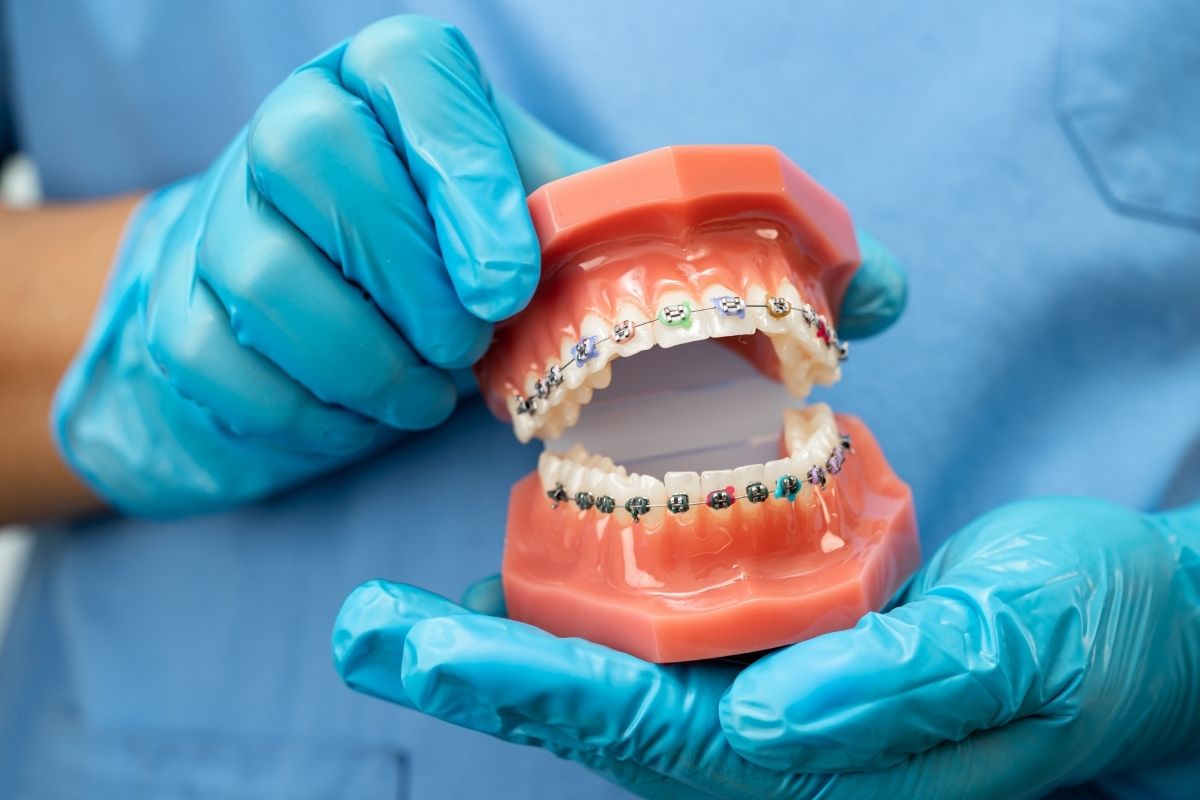
If you live in Barberton or the surrounding communities and are considering teeth straightening, one question likely comes to mind: How long do braces take? Understanding the timeline for orthodontic treatment can help you plan your schedule, anticipate changes, and feel confident about the process. While every smile is unique, knowing the typical stages of treatment, from the first consultation to the final retainer, can make the journey more predictable and reassuring.
Whether you’re commuting from nearby Norton, Clinton, or Green, understanding what to expect from braces can help you feel prepared for the months ahead.
Why Treatment Time Varies from Patient to Patient
Orthodontic treatment is not a one-size-fits-all solution. Several factors can influence how long your braces will need to be worn:
Severity of Misalignment
Minor crowding or spacing can often be corrected more quickly, while complex bite issues or significant crowding may extend treatment time.
Age
Children and teens generally experience faster results because their jaws and teeth are still growing. Adults, while still excellent candidates, may require slightly longer treatment to achieve optimal results.
Type of Orthodontic Approach
From traditional metal braces to ceramic brackets or clear aligners, the method chosen impacts the pace of teeth movement. Your orthodontist in Barberton will recommend the best approach tailored to your needs.
Patient Compliance
Following your orthodontist’s instructions, such as wearing elastics or aligners as directed, is crucial. Inconsistent care can slow progress and extend your overall timeline.
Overall Oral Health
Healthy gums and teeth allow for smoother adjustments. Any underlying dental concerns, like cavities or gum issues, may need to be addressed before treatment continues.
Typical Stages in the Braces Journey
Most patients progress through several key phases during their orthodontic treatment. While individual experiences vary, understanding these stages can help you know what to expect:
1. Initial Consultation and Customized Planning (1–2 Months)
Your journey begins with a detailed evaluation by your orthodontist. This typically includes:
- Dental exams and X-rays
- Bite analysis and smile assessment
- Discussion of your goals and concerns
Once your treatment plan is created, impressions or digital scans are taken, and any necessary preparatory work, such as spacers, may be placed.
2. Braces Placement (1–2 Hours)
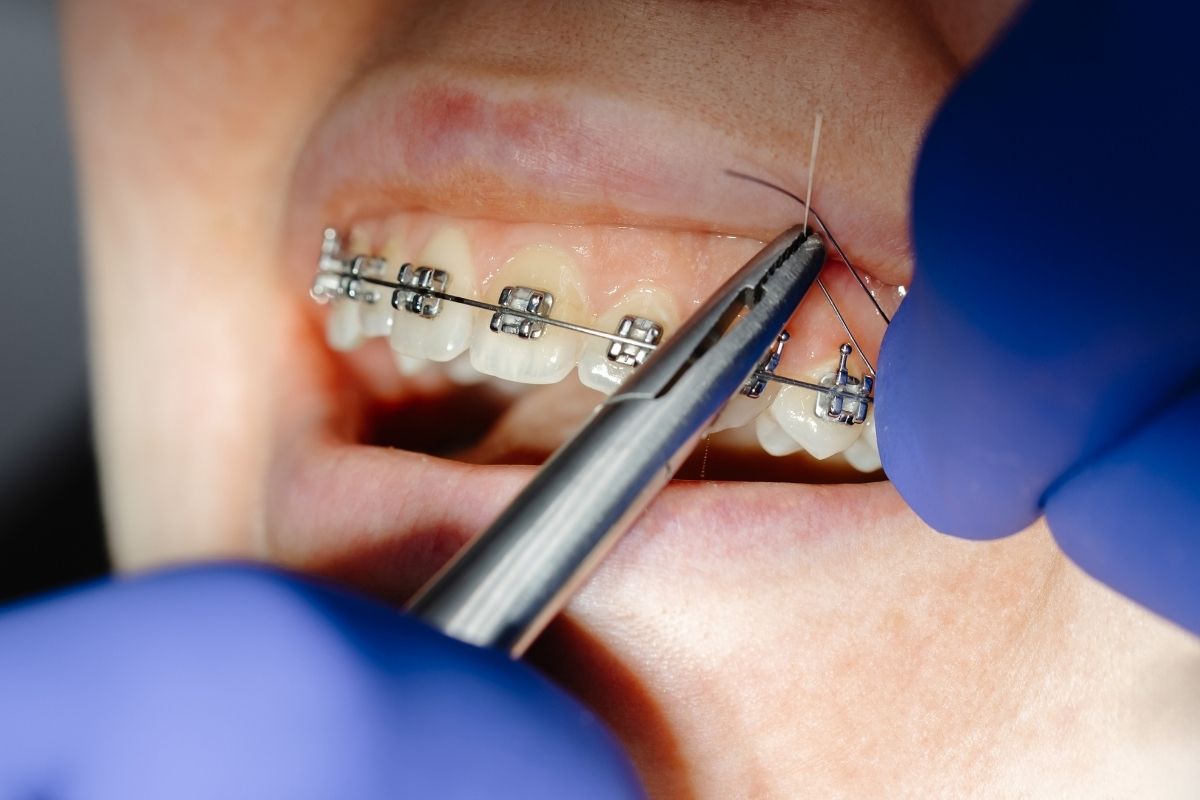
The day your braces are applied is exciting! Brackets are bonded, and wires are connected to begin gently guiding your teeth into their new positions. Some initial soreness is normal as your mouth adjusts.
3. Early Adjustment Period (3–6 Months)
During this phase, regular checkups every 4–6 weeks help your orthodontist monitor progress and make necessary adjustments. This is when you’ll begin noticing visible changes in alignment.
4. Active Alignment and Bite Correction (6–18 Months)
This is the most intensive phase, where teeth gradually shift into their proper positions. Adjustments continue to fine-tune alignment, and rubber bands may be introduced to improve bite functionality. For clear aligner users, new trays are provided every few weeks to maintain progress.
5. Final Refinements (Last 3–6 Months)
In the last stage, the focus shifts to perfecting your bite and ensuring that your teeth are stable and functional. This phase ensures that your final smile looks natural and well-aligned.
How Different Braces Options Affect the Timeline
While the overall process is similar, the type of braces you choose can influence your treatment duration:
- Metal braces: Effective for most cases, averaging 18–24 months.
- Ceramic braces: Slightly longer treatment due to the careful handling required.
- Lingual braces: May take longer because they are placed behind the teeth.
- Clear aligners: Typically require 12–18 months, depending on adherence to the prescribed schedule.
Tips for a Smooth Orthodontic Experience
To help your treatment stay on track and reduce complications:
- Maintain excellent oral hygiene to prevent cavities and gum issues.
- Follow dietary guidelines, avoiding sticky or hard foods that could damage your braces.
- Attend all scheduled appointments to ensure consistent progress.
- Use orthodontic wax to reduce discomfort from brackets or wires.
- Track changes in your teeth and notify your orthodontist of any issues, like loose brackets or unusual pain.
Life After Braces: Retainers and Long-Term Care
Once your braces are removed, retainers are essential for preserving your newly aligned smile. Typically, retention lasts at least 12 months, though some patients may need to wear their retainers longer to maintain results. Regular dental checkups and good oral hygiene are key to ensuring that your investment in orthodontic treatment lasts a lifetime. For more detailed guidance on oral health and orthodontic care, refer to the American Dental Association.
Conclusion
On average, orthodontic treatment with braces ranges from 18–24 months, though individual cases may be shorter or longer depending on complexity and patient compliance. Patience, consistency, and a clear understanding of the process are essential to achieving the best results. If you’re ready to begin your journey to a straighter, healthier smile in Barberton, the team at Austin Park Dental is here to guide you every step of the way. Schedule a consultation today and take the first step toward lasting confidence.
New Patients & Emergency Appointments Welcome!
