

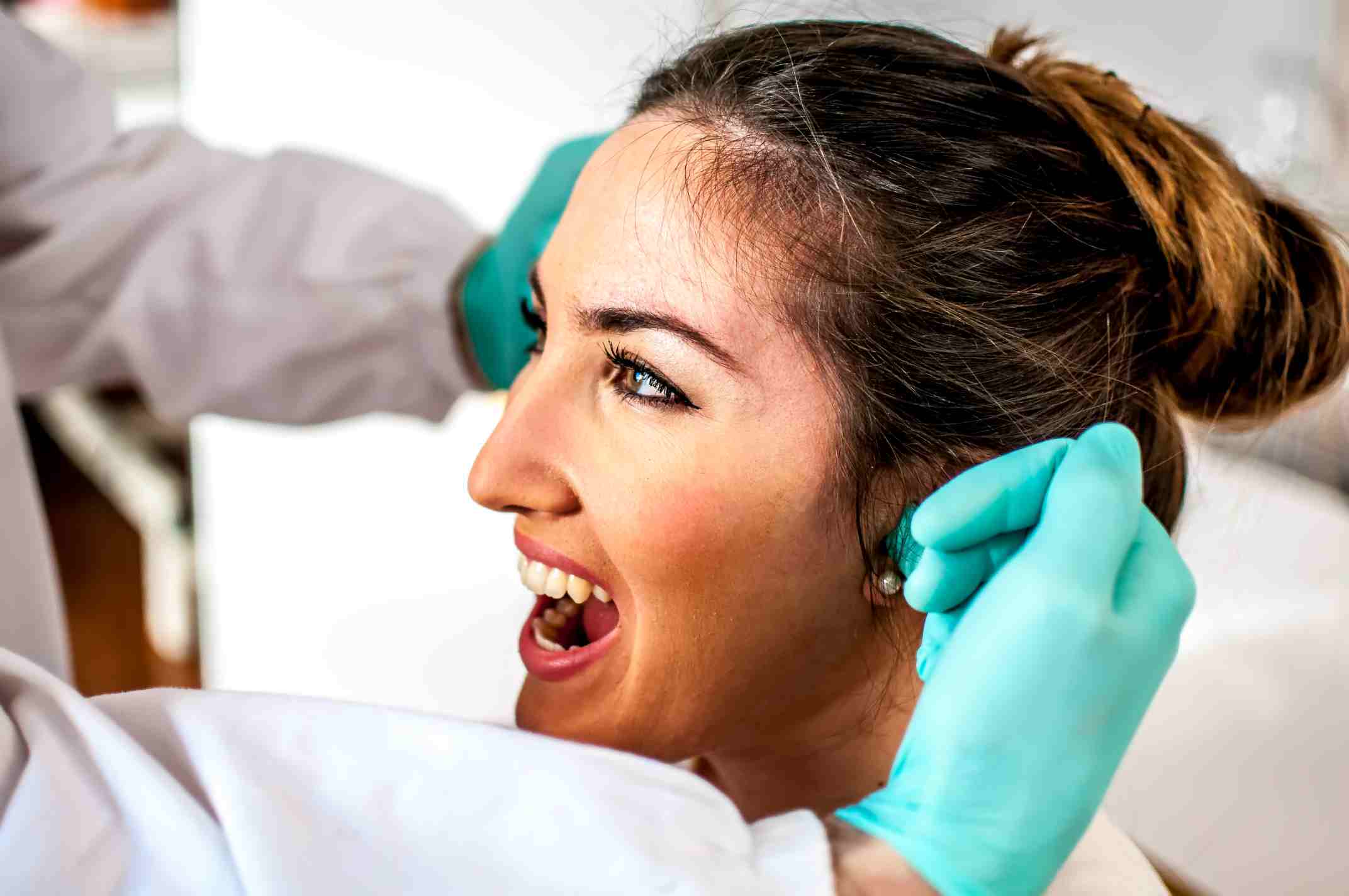
If you wake up with a sore jaw, headaches, sensitive teeth, or a tired feeling in your facial muscles, nighttime teeth grinding could be part of the problem.
You may have also seen two very different treatment options online:
- A custom night guard.
- Botox injections.
So which one is better for TMJ pain and teeth grinding?
The answer depends on what is causing your symptoms, how severe they are, whether you are damaging your teeth, and whether your primary problem involves the jaw muscles, the joint, or both.
For patients in Barberton, OH, choosing between Botox and a night guard shouldn’t be based on which treatment is trending. It should start with an evaluation of the underlying problem.
What Does a Night Guard Do?
A dental night guard, sometimes called an occlusal appliance, is designed to create a protective barrier between the upper and lower teeth. For people who grind their teeth during sleep, that can help reduce direct tooth-to-tooth contact and protect against wear and damage. Austin Park Dental specifically lists mouthguards as one of its treatment options for bruxism and explains that custom acrylic mouthguards can be used to minimize the abrasive effects of nighttime grinding.
A night guard may be particularly relevant when the primary concern is:
- Tooth wear
- Cracked or damaged teeth
- Nighttime grinding
- Clenching
- Muscle soreness associated with bruxism
- Protecting existing dental restorations
But a night guard isn’t a universal cure for every type of TMJ disorder.
What Does Botox Do for TMJ?
Botox works differently.
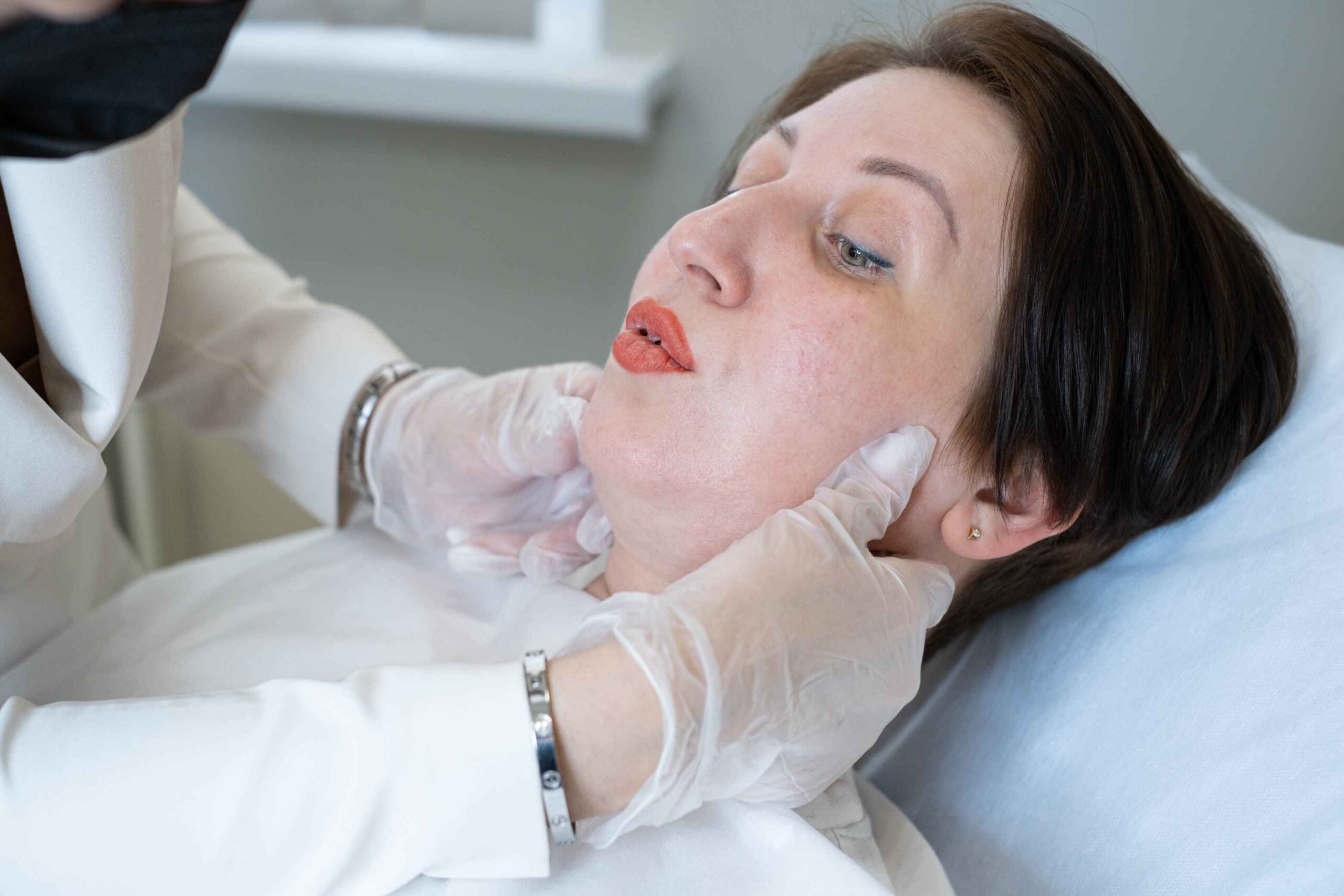
Instead of physically separating the teeth, botulinum toxin is injected into selected jaw muscles to temporarily reduce muscle activity.The goal is generally to reduce excessive muscle contraction and associated pain or tension.
Austin Park Dental offers Botox as an alternative treatment for certain TMJ-related symptoms and describes its use for reducing jaw tension, headaches, and grinding-related discomfort. Botox may therefore be considered when muscular tension or excessive jaw activity is a significant part of the patient’s symptoms.
It does not, however, mean that Botox repairs every underlying TMJ problem.
Which Works Better: Botox or a Night Guard?
There isn’t a universal winner.
A 2025 systematic review and meta-analysis compared occlusal splints with Botox for temporomandibular disorders. After screening 619 studies, only six were included in the meta-analysis. The researchers found no statistically significant difference between the treatments for maximum mouth opening at the three-month follow-up.
Another systematic review published in 2024 analyzed nine randomized clinical trials involving 137 participants with sleep bruxism. The researchers found potential reductions in pain and bruxism activity with Botox, but emphasized that the findings were preliminary because of differences between studies and limited statistical detail.
So the better question isn’t:
“Which treatment is best?”
It’s:
“Which problem are we trying to treat?”
When Might a Night Guard Make More Sense?
A night guard can be a logical option when protecting the teeth is a major priority.
Imagine someone grinding heavily every night. Even if the jaw muscles feel better, continued tooth-to-tooth contact can still damage enamel and dental restorations.
A properly designed appliance can provide physical protection.
Austin Park Dental’s bruxism page notes that untreated grinding can contribute to tooth wear, fractures, muscle pain, gum problems, and TMJ-related complications.
A custom appliance may therefore be especially useful when your dentist sees clear evidence of significant nighttime grinding.
When Might Botox Be Considered?
Botox may be considered when excessive jaw-muscle activity is contributing significantly to pain, tension, or bruxism.
It can be appealing to patients who have difficulty tolerating an appliance or who continue to experience significant muscular symptoms despite other approaches.
However, Botox isn’t permanent.
Austin Park Dental notes that its effects may continue for up to approximately three months, meaning repeat treatment may be necessary depending on the individual response.
It also doesn’t physically protect the teeth from every type of wear.
That’s an important distinction.
Can You Use Both?
In some situations, a clinician may recommend more than one approach.
For example, Botox may be used to reduce excessive muscle activity while a night guard protects the teeth from grinding forces.
But combination treatment shouldn’t be assumed to be necessary for everyone.
Your dentist needs to determine whether your symptoms are primarily muscular, joint-related, tooth-related, or a combination.
Are There Downsides to Botox?
Yes.
Botox is a medical procedure, not simply a cosmetic treatment.
Possible adverse effects reported in clinical research include injection-site discomfort and temporary changes in facial appearance. One 2024 systematic review reported cosmetic changes in smile in 15.4% of participants in one included study, illustrating why treatment requires appropriate patient selection and technique.
Austin Park Dental also notes that patients need to discuss their medical history and medications before Botox treatment.
Are There Downsides to a Night Guard?
A night guard isn’t automatically perfect either.
An appliance that doesn’t fit correctly may be uncomfortable, difficult to tolerate, or inappropriate for a particular type of jaw problem.That’s why a professionally evaluated appliance is preferable to assuming that any generic guard from a store will address TMJ symptoms. The goal is not simply to put something between your teeth.
It’s to use the appropriate appliance for your specific diagnosis.
What About TMJ Clicking?
Clicking doesn’t automatically mean you need Botox or a night guard. Some people have jaw clicking without significant pain or functional problems.
Others may have clicking accompanied by:
- Jaw pain
- Locking
- Limited opening
- Difficulty chewing
- Headaches
- Facial muscle tenderness
- Changes in the bite
Those symptoms deserve a proper evaluation.
Austin Park Dental’s oral and maxillofacial services include TMJ, facial pain, and related jaw conditions, giving patients a pathway for evaluating more complex symptoms.
What Should Barberton, OH Patients Do?
If you live in Barberton, Akron, Norton, Wadsworth, Green, or nearby Summit County communities and you’re waking up with jaw pain or damaged teeth, don’t choose a treatment based solely on an online comparison.
Start with a dental examination.
At Austin Park Dental, the practice already provides care for TMJ dysfunction and bruxism, including night guards and Botox as treatment options for appropriately selected patients.
If you’re dealing with persistent jaw pain, headaches, tooth wear, grinding, or jaw tension, schedule a consultation to determine what’s contributing to your symptoms.
You can also meet our doctors and discuss whether an appliance, Botox, or another approach makes sense for your situation.
Botox or Night Guard: Which One Is Right for You?
There isn’t a one-size-fits-all answer.
A night guard primarily protects the teeth and can be useful for bruxism.Botox temporarily reduces activity in selected jaw muscles and may help some patients with muscular pain or grinding. Neither should be presented as a guaranteed cure for every TMJ disorder. The research comparing these approaches remains limited, and individual results can vary.The right choice depends on your symptoms, dental wear, muscle activity, joint condition, medical history, and treatment goals.
For Barberton patients, the most useful first step is therefore not choosing between Botox and a night guard.
It’s finding out what’s actually causing your jaw problem.
Frequently Asked Questions (FAQ’s)
Is Botox better than a night guard for TMJ?
Neither treatment is universally better; the appropriate option depends on whether muscle tension, grinding, tooth protection, joint symptoms, or a combination is the primary concern.
Does a night guard stop teeth grinding?
A night guard can protect teeth from direct grinding damage, but it does not necessarily eliminate the underlying tendency to clench or grind.
Can Botox help nighttime teeth grinding?
Botox may reduce jaw-muscle activity and bruxism symptoms in some patients, although current research remains preliminary and treatment response varies.
How long does Botox for TMJ last?
Botox effects are temporary; Austin Park Dental states that benefits may continue for up to approximately three months.
Should I get Botox or a night guard for jaw pain?
A dentist should evaluate the cause of your jaw pain before recommending Botox, a night guard, or another TMJ treatment.
New Patients & Emergency Appointments Welcome!
