

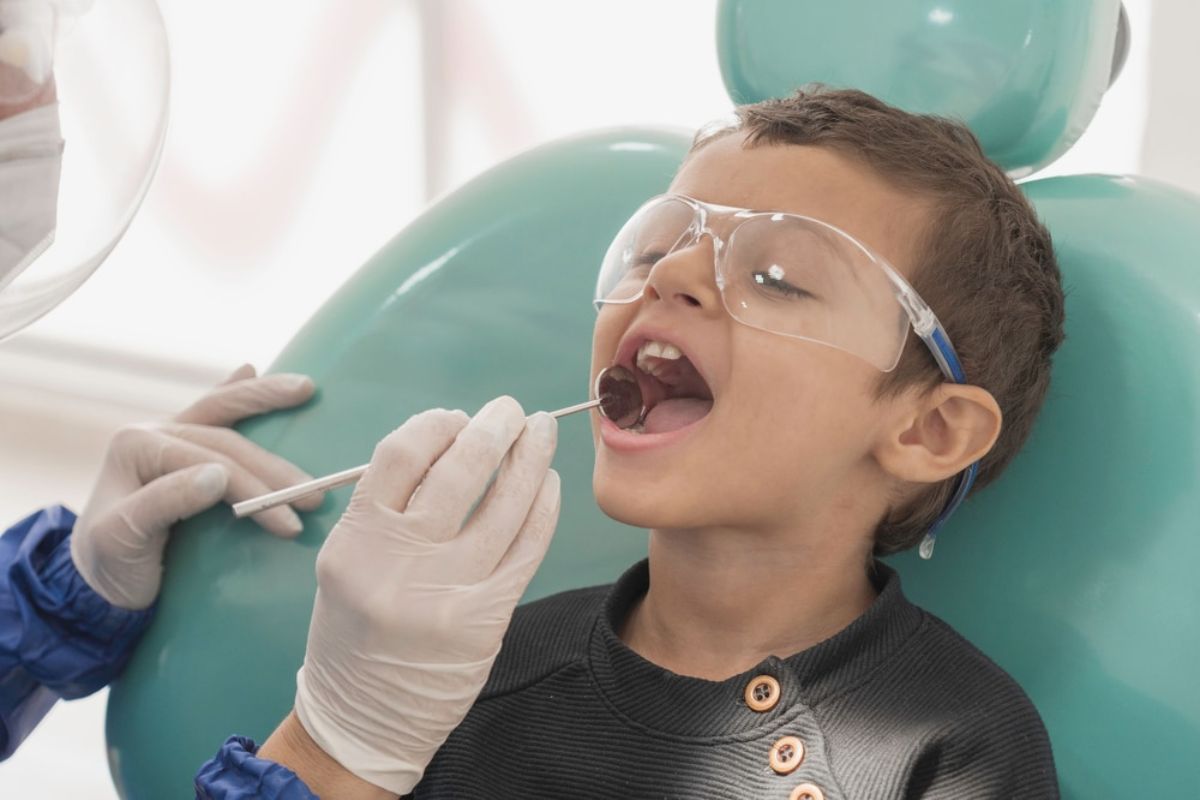
As parents, we all want the best for our children, including their oral health. Sometimes, their growing smiles may need a little extra help to develop properly. That’s where early orthodontic treatment, also known as interceptive orthodontics, comes in. This proactive approach can set your child on a path to a healthier, more confident smile. Let’s explore what early orthodontic treatment involves, how to know if your child might benefit, and what you need to consider when making this important decision.
Understanding Early Orthodontic Treatment
Early orthodontic treatment typically begins between the ages of 7 and 10, a critical time when a child’s jaw and teeth are still developing. By starting early, orthodontists can address issues like misaligned bites, overcrowding, or jaw irregularities before they become more serious.
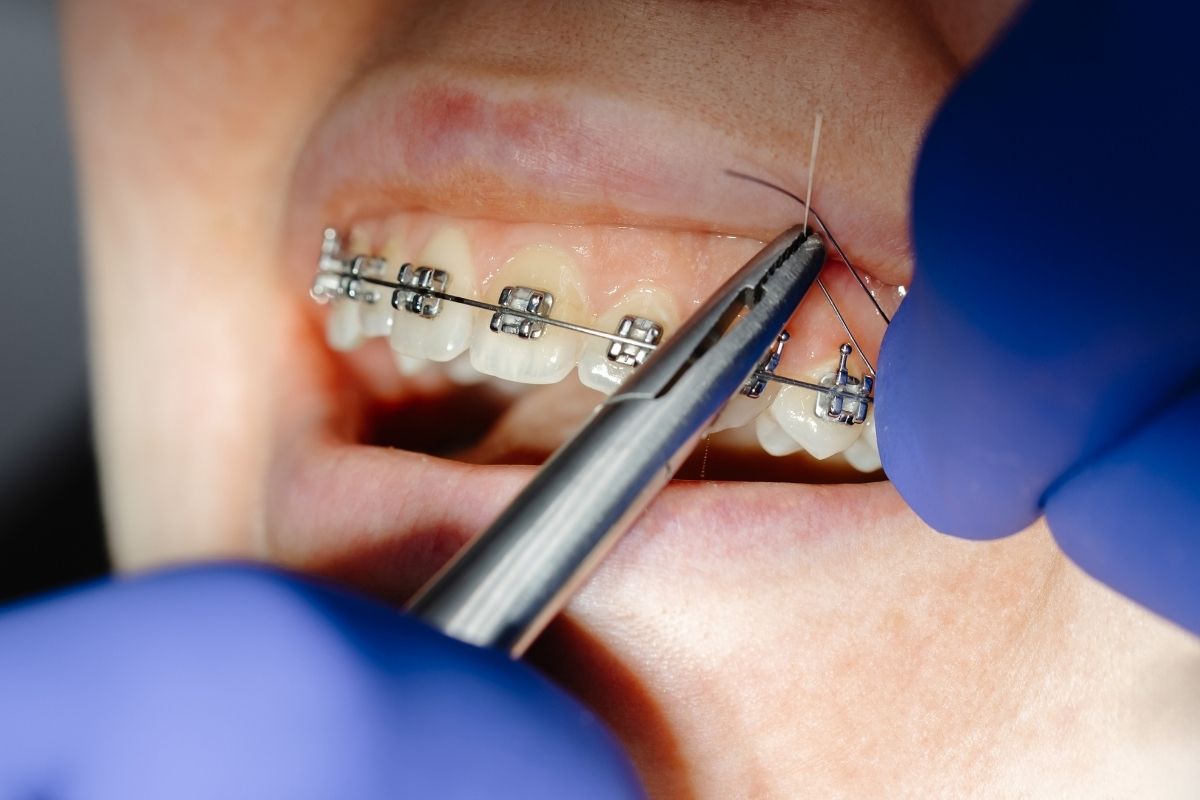
Unlike traditional braces for teens, early orthodontics often uses devices like expanders, retainers, or partial braces to guide the growth of teeth and jaws. This two-phase process focuses on fixing immediate problems during childhood and refining alignment during adolescence. Consulting with a pediatric dentist in Barberton can help determine whether early orthodontic care is a good fit for your child’s needs.
Signs Your Child May Need Early Orthodontic Care
- Difficulty Chewing or Biting: If your child struggles with eating or biting into food, it could indicate a misaligned bite.
- Prolonged Thumb-Sucking or Pacifier Use: These habits, if continued beyond age 3 or 4, can alter the alignment of teeth and jaws.
- Crowded or Gapped Teeth: Early signs of overcrowding or large gaps between teeth may signal the need for intervention.
- Speech Issues: Problems pronouncing certain words or sounds can sometimes be linked to dental alignment.
- Uneven Loss of Baby Teeth: Losing baby teeth too early or late may disrupt the proper emergence of permanent teeth.
If you notice any of these signs, reaching out to a pediatric dentist can provide clarity and a path forward.
Benefits of Early Orthodontic Treatment
- Prevention of Severe Issues: Addressing problems early can reduce the need for extractions or surgical procedures later in life.
- Improved Oral Function: Treatment can enhance a child’s ability to chew, speak, and breathe correctly.
- Boosted Self-Confidence: Correcting visible dental issues at a young age can help kids feel more confident in their smiles.
- Simplified Future Treatment: Early intervention often makes orthodontic care during adolescence shorter and less complex.
- Better Long-Term Outcomes: Guiding proper jaw and tooth development leads to healthier teeth and gums in adulthood.
Potential Risks or Downsides
While early orthodontic treatment offers many benefits, it’s important to weigh the potential drawbacks:
- Higher Costs: Two-phase treatment can be more expensive than traditional single-phase braces during the teenage years.
- Commitment: Young children may find it challenging to follow care instructions for orthodontic appliances.
- Over-Treatment: In some cases, issues might not require intervention until later, and starting too early could mean unnecessary procedures.
How to Decide If Early Orthodontic Treatment Is Right
The best way to decide is to schedule an evaluation with an orthodontist. They will use X-rays, photographs, and physical exams to assess your child’s dental development. Remember, early orthodontic care isn’t necessary for every child—it depends on the severity of the issues and how they might progress without intervention.
A Bright Smile for the Future
Early orthodontic treatment is a proactive way to ensure your child’s dental health is on the right track. Consulting with a trusted orthodontist or dentist near you can provide peace of mind and the best plan for your child’s growing smile. With the right approach, you can help them face the future with a confident, healthy grin.
New Patients & Emergency Appointments Welcome!
