

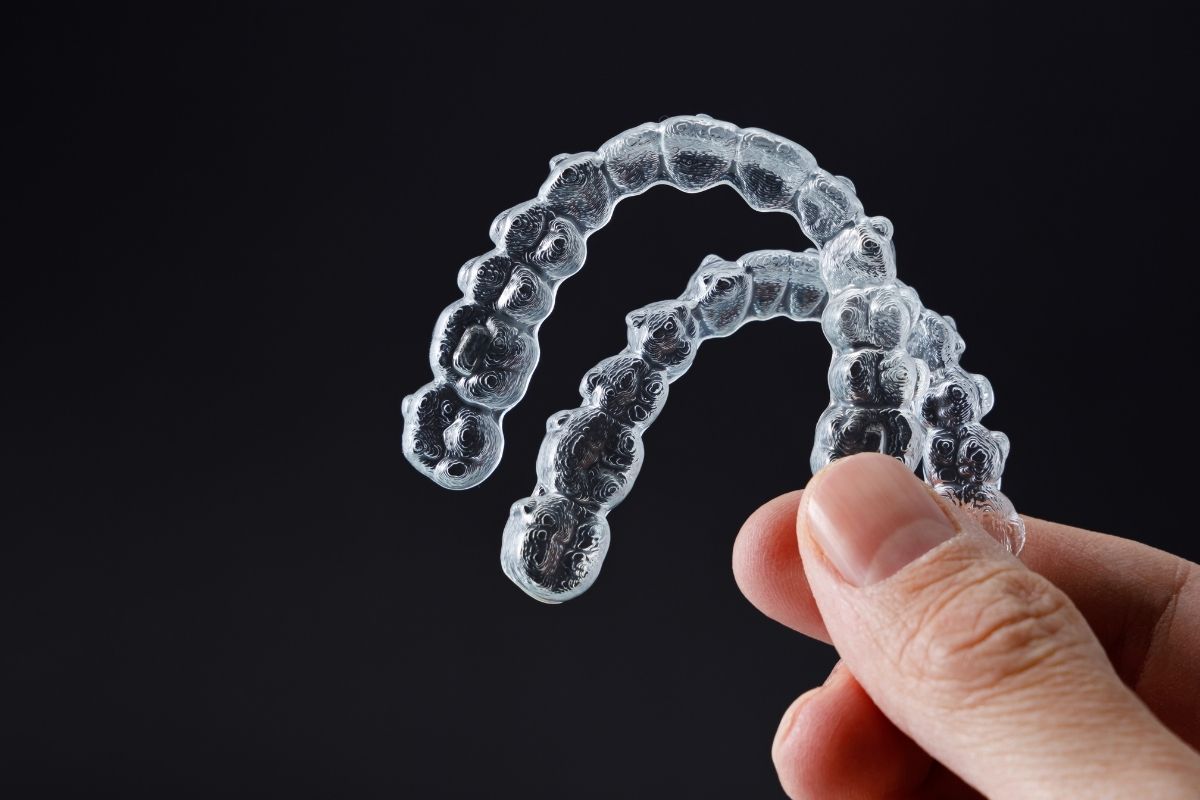
If you’re considering orthodontic treatment but already have dental crowns, you may be wondering what your options look like. Many adults in Barberton and nearby communities like Norton, New Franklin, and Wadsworth want a straighter smile without traditional braces. The good news? In most cases, Invisalign in Barberton is still possible even with crowns in place.
Understanding how clear aligners interact with restored teeth can help you make a confident, informed decision about your smile.
How Clear Aligners Move Teeth
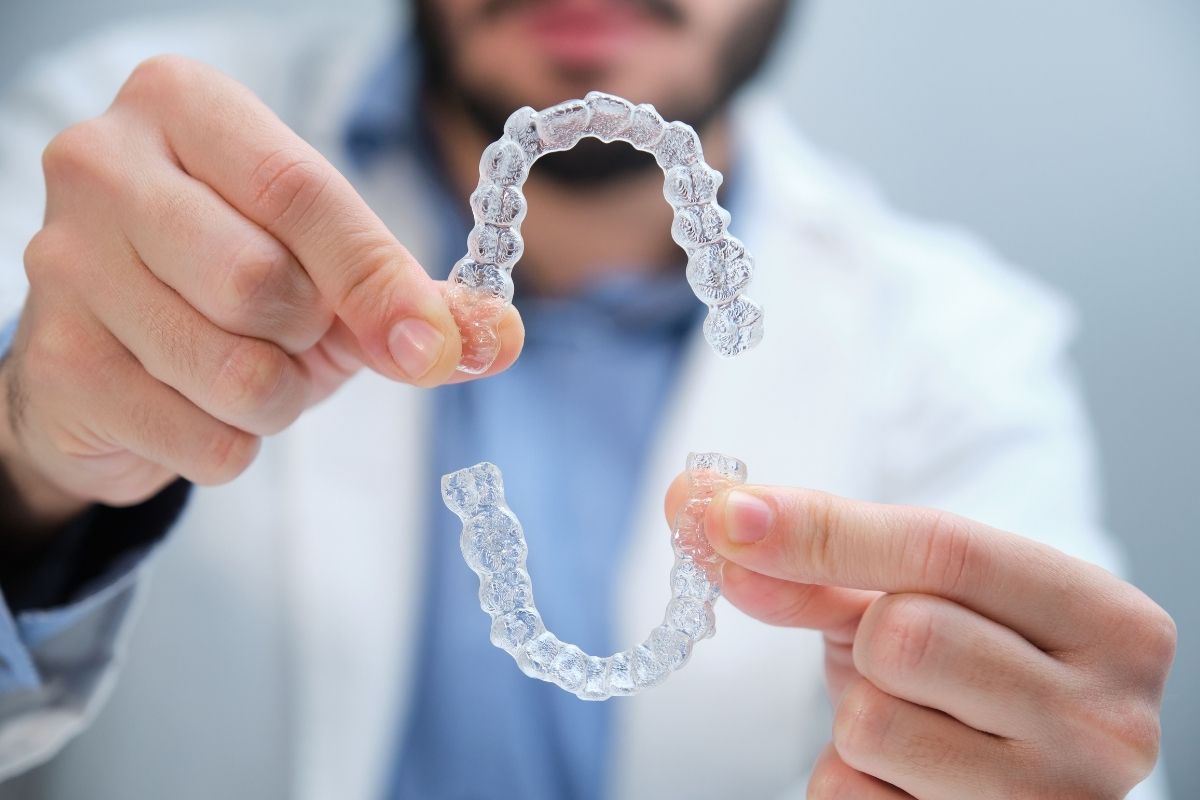
Clear aligners are custom-made trays designed to gently shift teeth into better alignment over time. Instead of brackets and wires, they use a series of removable, transparent trays that apply controlled pressure to specific teeth.
Here’s how the process works:
- A digital scan creates a 3D model of your teeth
- A sequence of aligners is fabricated to guide the gradual movement
- Each set is worn for about one to two weeks
- Teeth move at the root level, not just the visible surface
Because aligners are removable, patients can eat, brush, and floss normally, making them a popular choice for adults seeking orthodontic treatment.
Can Crowns Move Like Natural Teeth?
This is one of the most common questions patients ask.
A dental crown is securely bonded to the natural tooth underneath. When orthodontic pressure is applied, the root of the tooth moves within the jawbone, and the crown moves along with it.
However, there are important considerations:
- The crown must be securely bonded
- There should be no decay under the restoration
- The surrounding gum tissue must be healthy
- The crown should be structurally sound
If these conditions are met, most patients can safely proceed with aligner therapy.
Important Factors Your Dentist Will Evaluate
Every smile is different. Before recommending treatment, a dentist will carefully assess your oral health and restorations.
1. Stability of Existing Crowns
Loose or aging crowns may need to be repaired or replaced before orthodontic movement begins. Moving a compromised restoration could lead to damage.
2. Placement of the Crown
Front teeth sometimes require small attachments to help guide more complex movements. Bonding these attachments to porcelain or ceramic requires special techniques.
3. Type of Tooth Movement Needed
Minor crowding or spacing typically works very well. More complex bite correction may require a modified treatment plan.
4. Timing of Future Restorative Work
If you anticipate needing a new crown soon, it’s often better to complete orthodontic treatment first. Since teeth shift positions, placing a final crown after alignment ensures the best long-term fit.
Benefits of Choosing Clear Aligners When You Have Crowns
For many adults in Barberton, aligners offer advantages over traditional braces—especially when restorations are involved.
Gentle, controlled pressure
Clear trays distribute force more evenly, reducing the risk of excess stress on crowned teeth.
Improved oral hygiene access
Because aligners are removable, you can brush and floss thoroughly around crowns—helping prevent decay near crown margins.
Flexible treatment planning
If adjustments are needed, digital planning makes it easier to modify your orthodontic roadmap.
Discreet appearance
Adults balancing work and social commitments often prefer the nearly invisible look of aligners.
Patients searching online for Barberton Invisalign are often relieved to learn that prior restorative work doesn’t automatically disqualify them.
Are There Any Risks?
While most cases proceed smoothly, there are potential challenges:
- Attachments may not bond as easily to certain crown materials
- Very short or heavily restored teeth may limit movement
- A damaged crown could loosen during treatment
- Replacement crowns may add to the overall cost
That’s why thorough evaluation and monitoring are essential. Regular check-ins allow your dentist to ensure both tooth movement and crown integrity remain on track.
Caring for Your Smile During Treatment
Maintaining excellent oral hygiene is especially important when you have crowns.
Follow these tips:
- Brush at least twice daily with fluoride toothpaste
- Floss carefully around crown margins
- Clean aligners gently each time they’re removed
- Avoid eating or drinking (anything but water) while wearing trays
- Attend all scheduled check-ups
Because crowns do not protect against decay at the gumline, consistent care helps protect your long-term investment.
Who Is a Good Candidate?
You may be a strong candidate for clear aligners if you:
- Have mild to moderate crowding or spacing
- Have stable, well-bonded crowns
- Maintain healthy gums
- Are committed to wearing aligners 20–22 hours daily
A consultation that includes digital imaging and bite analysis can determine whether treatment is appropriate for your specific needs.
Why a Local Evaluation Matters
Choosing a provider in Barberton means personalized care and convenient follow-up visits. Orthodontic movement requires monitoring, especially when restorations are involved.
Patients from surrounding areas such as Akron and Coventry Township often appreciate having a trusted local dental team that understands both cosmetic and restorative dentistry. Coordinating these aspects ensures safe, predictable results.
Conclusion
Having dental crowns does not automatically prevent you from straightening your teeth. In many cases, clear aligners can successfully improve alignment while preserving your existing restorations. The key is proper planning, a thorough evaluation, and ongoing monitoring throughout treatment to ensure your crowns remain secure and functional.
If you’re considering aligners, speaking with a dentist in Barberton can help you understand your options. At Austin Park Dental, we carefully assess your existing dental work, bite alignment, and overall oral health before recommending treatment.
Schedule a consultation today to receive personalized guidance and take the next step toward a healthier, more confident smile.
FAQs
Can Invisalign damage my dental crowns?
When crowns are secure and healthy, aligners typically do not cause damage. Your dentist will confirm stability before treatment begins.
Do crowns move at the same speed as natural teeth?
Yes. Since the tooth root moves within the bone, the crown attached to it moves as well.
Should I replace old crowns before starting treatment?
If a crown is worn, loose, or nearing replacement, your dentist may recommend addressing it before orthodontic care begins.

New Patients & Emergency Appointments Welcome!
