


When patients in Barberton start exploring options for straightening their smiles, one of the most common questions we hear is whether clear aligners are still an option if they’ve already lost a tooth. The good news? In many cases, yes. If you’re researching Invisalign in Barberton, it’s important to understand how missing teeth can affect your treatment plan and what steps may be needed first. Whether you live in Barberton, Norton, New Franklin, or the greater Summit County area, knowing your options can help you make a confident, informed decision about your smile.
How Missing Teeth Affect Your Smile Over Time
When a tooth is lost, the change goes beyond appearance. Teeth rely on each other for support. Once a gap forms:
- Neighboring teeth may begin to shift or tilt into the space
- Opposing teeth can over-erupt
- Your bite alignment may change
- Jawbone in the area can gradually shrink
Over time, this movement can lead to crowding, spacing issues, and bite problems. If the tooth has been missing for a while, there may not be enough room left to easily place a replacement like a dental implant or bridge.
That’s why orthodontic planning is often part of the bigger picture when restoring a smile.
Can Clear Aligners Still Work If You’re Missing a Tooth?
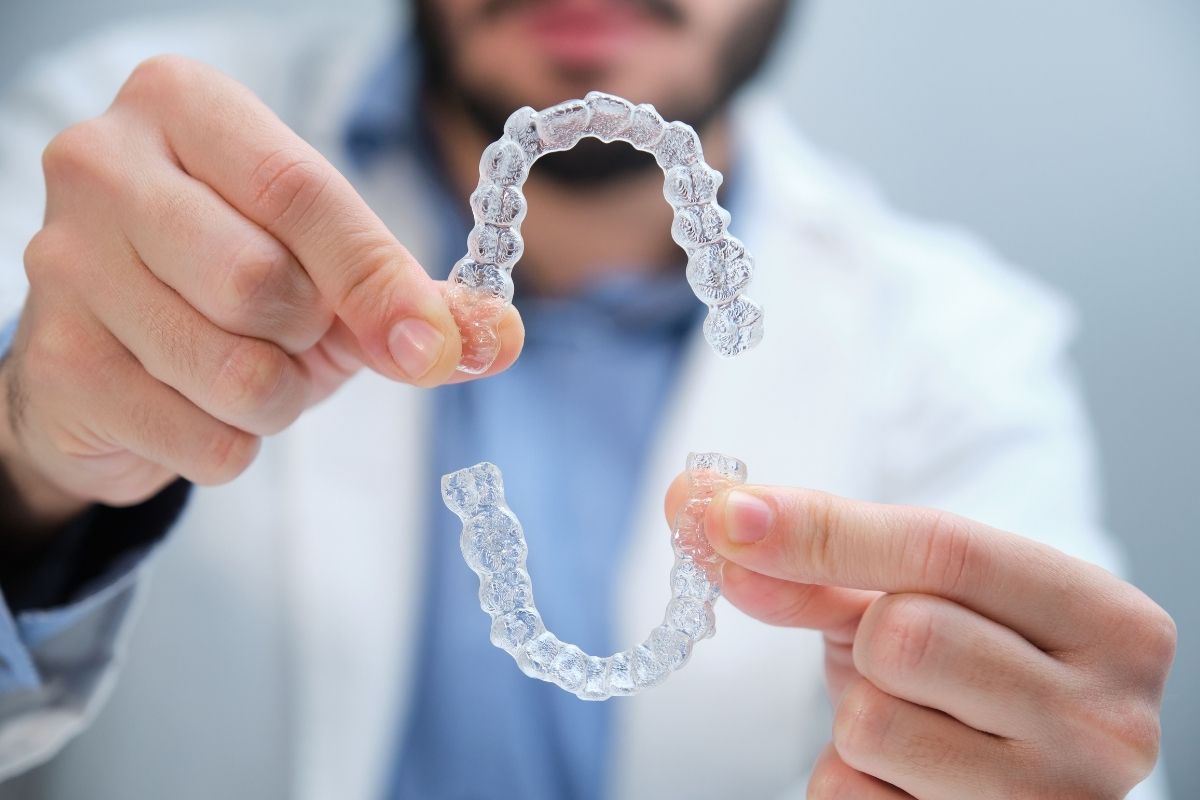
In many cases, yes. Clear aligners can:
- Create or reopen space for a future dental implant
- Improve overall alignment before placing a bridge
- Stabilize surrounding teeth to prevent further shifting
- Improve your bite before restorative work begins
Every case is different. The number of missing teeth, their location, and the health of your gums and bone all play a role in determining candidacy.
For some patients, aligners may even include a temporary tooth-colored filling within the tray (sometimes called a pontic) to maintain aesthetics during treatment.
Why Alignment Often Comes Before Tooth Replacement
Many patients assume they should replace a missing tooth first. However, placing a dental implant or fixed bridge before correcting alignment can complicate things.
Here’s why:
- Dental implants do not move once placed.
- If teeth are crooked or crowded, there may not be proper space.
- Bite imbalance can put stress on restorations.
By straightening teeth first, your dentist can ensure:
- Proper spacing
- Ideal bite positioning
- Long-term stability of the replacement tooth
Orthodontic treatment often first leads to a more predictable and successful restorative outcome.
What If Gum Disease Caused the Tooth Loss?
This is an important consideration.
If a tooth was lost due to gum disease (periodontal disease), the surrounding bone and tissue may not be healthy enough to safely move teeth right away.
Before starting aligner treatment, your dentist will evaluate:
- Bone support
- Gum stability
- Signs of active infection
- Overall oral health
Healthy gums and strong bones are essential because teeth need proper support while being gently shifted. In some cases, periodontal therapy or bone grafting may be recommended before orthodontic treatment begins.
Treatment Options After Straightening
Once teeth are properly aligned, you’ll typically move forward with replacing the missing tooth. Common options include:
1. Dental Implants
A long-term, highly stable solution that replaces both the tooth and root.
2. Dental Bridges
A fixed restoration anchored to neighboring teeth.
3. Partial Dentures
A removable option for multiple missing teeth.
Your dentist will recommend the option that best fits your oral health, goals, and budget.
Benefits of Straightening Teeth Before Replacement
Patients are often surprised to learn that orthodontic treatment can actually improve restorative outcomes. Benefits include:
- Easier cleaning and improved oral hygiene
- Reduced risk of future decay or gum problems
- Balanced bite forces
- Better long-term stability
- Improved smile aesthetics
Proper alignment makes it easier to brush and floss effectively, especially around future restorations.
Are There Any Limitations?
While many patients qualify, there are situations where additional planning is required:
- Multiple missing teeth in one area
- Severe bone loss
- Active gum disease
- Significant bite collapse
In complex cases, treatment may involve collaboration between your general dentist and specialists. Working with an experienced Barberton Invisalign Dentist ensures your care is customized and carefully coordinated.
What to Expect During a Consultation
If you’re considering clear aligners and have missing teeth, your visit will typically include:
- Digital scans or impressions
- Bite evaluation
- X-rays to assess bone levels
- Discussion of long-term restorative goals
Your dentist will determine:
- Whether orthodontic treatment should come first
- If space needs to be created or maintained
- When a dental implant or bridge should be placed
The goal is not just straighter teeth; it’s a healthy, functional, and complete smile.
Life After Treatment: Don’t Forget Retainers
After alignment is complete, retainers are essential. Teeth naturally want to shift back over time. Retainers:
- Maintain new alignment
- Protect spacing for implants or bridges
- Preserve your bite
Consistent retainer wear is especially important if you plan to place a dental implant after orthodontic treatment.
A Straighter Smile Is Still Possible
If you live in Barberton or nearby communities like Norton or Doylestown and have been wondering whether you qualify for clear aligners, a professional evaluation is the best first step. Speaking with a trusted Barberton dentist can help you understand how tooth movement and future replacement options, such as implants or bridges, can be properly coordinated.
At Austin Park Dental, we take a comprehensive approach to smile planning. If you’d like to learn whether aligner therapy makes sense before replacing a missing tooth, we’re here to help. Contact us today to schedule a consultation and explore your options for a healthier, more confident smile.
Frequently Asked Questions
Can I get clear aligners if I’m missing more than one tooth?
Possibly. It depends on how many teeth are missing, where they’re located, and the health of your gums and jawbone. A consultation is needed to determine candidacy.
Should I get a dental implant before straightening my teeth?
In many cases, it’s better to complete orthodontic treatment first. Implants do not move, so aligning teeth beforehand allows for ideal spacing.
Will aligners look strange if I have a visible gap?
Not necessarily. In some cases, a temporary tooth-colored material can be added to the aligner tray to fill the space during treatment.


New Patients & Emergency Appointments Welcome!
