

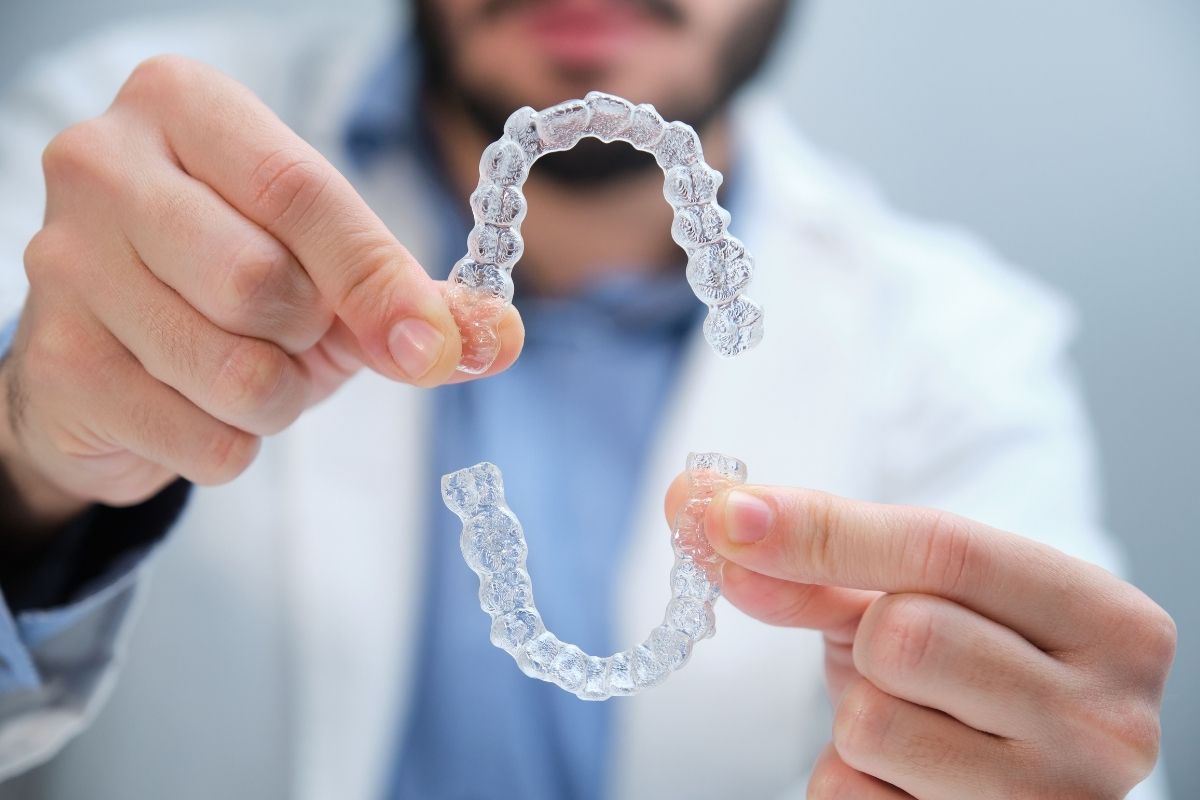
Starting your journey with Invisalign in Barberton is an exciting step toward a straighter, healthier smile. Many patients in Barberton and nearby communities like Norton, Wadsworth, and New Franklin love the convenience and discreet appearance of clear aligners. However, it’s completely normal to experience mild soreness, especially when switching to a new set of trays.
The good news? That discomfort is usually temporary and manageable. Below, we’ll explain why aligner soreness happens and share practical, dentist-approved tips to help you stay comfortable while your smile transforms.
Why Do Clear Aligners Cause Soreness?
Clear aligners work by applying gentle, consistent pressure to move your teeth into better alignment. Each new tray is slightly different, guiding your teeth step by step.
You may notice:
- Tenderness during the first 24–48 hours of a new tray
- Mild jaw pressure
- Gum or cheek irritation
- Slight difficulty chewing
This pressure is actually a positive sign. It means your teeth are responding to treatment. Most patients find that soreness fades within a few days as their mouth adjusts.
Smart Timing Makes a Big Difference
One of the easiest ways to minimize discomfort is simple: switch to your new trays before bed.
When you insert a fresh aligner at night:
- You sleep through the initial pressure phase
- Your teeth adjust during uninterrupted wear
- Morning soreness is often milder
Because aligners are designed for 20–22 hours of daily wear, keeping them in consistently helps your teeth adapt faster and reduces prolonged tenderness.
Eat Comfortably During Adjustment Days
If your teeth feel sensitive, consider temporarily choosing softer foods. While clear aligners allow more flexibility than traditional braces, your teeth may need a gentle break during the first couple of days with a new tray.
Good options include:
- Yogurt
- Scrambled eggs
- Oatmeal
- Pasta
- Mashed potatoes
- Smoothies
- Soup
Cold foods and drinks can also provide a mild numbing effect. Just remember to remove your aligners before eating and brush before placing them back in.
This short-term adjustment makes it easier to stay consistent with treatment while keeping discomfort manageable.
Try Cold Therapy for Fast Relief
A cold compress can work wonders when pressure feels intense.
To use:
- Wrap an ice pack or bag of frozen vegetables in a thin towel
- Apply to the outside of your cheek for 10–15 minutes
- Take breaks between sessions
Cold therapy helps reduce inflammation and temporarily dulls soreness. It’s a simple, medication-free way to ease discomfort during those first adjustment days.
Over-the-Counter Pain Relief (When Needed)
If tenderness feels distracting, an over-the-counter pain reliever like ibuprofen or acetaminophen can help.
Be sure to:
- Follow label instructions
- Avoid exceeding recommended dosages
- Use only as needed
Most patients find they only need medication during the first day or two of a new aligner.
If pain feels sharp, severe, or lasts longer than a week, it’s important to contact your dental office to ensure everything fits properly.
Make Sure Your Trays Are Fully Seated
Improperly seated aligners can increase discomfort and delay progress.
You can improve fit by:
- Gently pressing aligners into place with clean fingers
- Using “chewies” (small, soft cylinders designed to help seat trays evenly)
When trays fit snugly, pressure distributes more evenly across your teeth, reducing sore spots.
Consistent, full seating also keeps your treatment timeline on track.
Protect Sensitive Spots with Orthodontic Wax
Occasionally, the edges of a tray may irritate your gums or cheeks while your mouth adjusts.
Orthodontic wax can:
- Create a protective barrier
- Reduce friction
- Prevent sore spots from worsening
Simply dry the area and apply a small amount of wax where irritation occurs. It’s a temporary but effective comfort solution.
Keep Aligners Clean and Well-Maintained
Proper maintenance isn’t just about hygiene; it can also improve comfort.
For healthier, clear aligner treatment, remember to:
- Rinse trays whenever you remove them
- Clean them gently with a soft toothbrush
- Avoid hot water, which can warp plastic
- Store them safely in their case
A well-fitting, clean aligner reduces gum irritation and prevents additional sensitivity.
How Long Should Discomfort Last?
For most patients:
- Soreness peaks within 24–48 hours
- Improves noticeably by day three
- Becomes minimal by the end of the week
Each time you change trays, you may experience brief pressure again—but it often becomes easier as your mouth adapts to the process.
If discomfort persists beyond a week or interferes with daily life, it’s important to consult an experienced Invisalign provider that Barberton patients trust to evaluate the fit and progress of your trays.
When to Reach Out for Help
Mild tenderness is normal. Severe or persistent pain is not.
Contact your dentist if you experience:
- Sharp pain in a specific tooth
- Gum swelling that doesn’t improve
- A cracked or warped tray
- Difficulty in seating aligners properly
Professional evaluation ensures your treatment stays safe, efficient, and comfortable.
Staying Focused on the Bigger Picture
Remember, aligner discomfort is temporary, but your results are long-lasting. Each slight sensation means your teeth are moving closer to a straighter, healthier smile.
Patients throughout Barberton and neighboring communities choose clear aligners because they’re:
- Nearly invisible
- Removable
- Convenient for busy lifestyles
- Comfortable compared to traditional braces
With the right strategies, you can manage minor soreness and stay confidently on track.
Conclusion
Mild soreness during clear aligner treatment is completely normal, especially when starting or switching trays. Simple strategies like changing aligners at night, choosing soft foods, using cold compresses, and ensuring proper tray fit can make a noticeable difference in comfort.
If you’re considering treatment or have questions about managing discomfort, the team at Austin Park Dental is here to help. We proudly serve patients in and around Barberton.
Contact us today to schedule an appointment and keep your smile journey moving comfortably forward.
Frequently Asked Questions
How long does Invisalign soreness usually last?
Most patients feel mild discomfort for 1–3 days after switching to a new tray. It typically improves quickly as teeth adjust.
Is it normal for aligners to feel tight at first?
Yes. A snug fit means the aligners are applying the gentle pressure needed to move your teeth effectively.
Should I stop wearing my aligners if they hurt?
No. Removing them too often can delay progress and prolong discomfort. If pain feels severe or unusual, contact your dentist for guidance.

New Patients & Emergency Appointments Welcome!
