


When you’ve completed your Invisalign treatment in Barberton, it’s easy to think the hard work is over. After all, your smile is straight, and your teeth are beautifully aligned! However, there’s one final, crucial step you shouldn’t skip: wearing a retainer. While this step might seem unnecessary after months or even years of clear aligner treatment, it’s actually the key to preserving the smile you worked so hard to achieve. In this post, we’ll explore why wearing a retainer after Invisalign is non-negotiable, how it helps maintain your results, and what you need to know to keep your smile lasting for years.
Why Retainers Are Essential After Invisalign Treatment
You’ve likely heard that wearing a retainer is important, but have you ever wondered why it’s absolutely necessary? The reason lies in the natural processes that occur in your mouth after your Invisalign treatment is complete. While Invisalign aligners shift your teeth into their ideal positions, the surrounding bone and tissues still need time to stabilize in those new positions. Without a retainer, your teeth are likely to shift back toward their original, misaligned positions, a process known as orthodontic relapse.
What Happens Without a Retainer?
If you skip wearing your retainer, even for a short period, your teeth could gradually start to move back. This doesn’t always happen overnight, but over time, it can become noticeable. You may experience gaps between teeth, a misaligned bite, or even some crowding. All of this can undermine the progress you made during your Invisalign treatment.
The Different Types of Retainers
There’s not just one type of retainer; your dentist will likely recommend a specific one based on your unique needs. In general, there are two main types:
1. Clear Plastic Retainers (Essix Retainers)
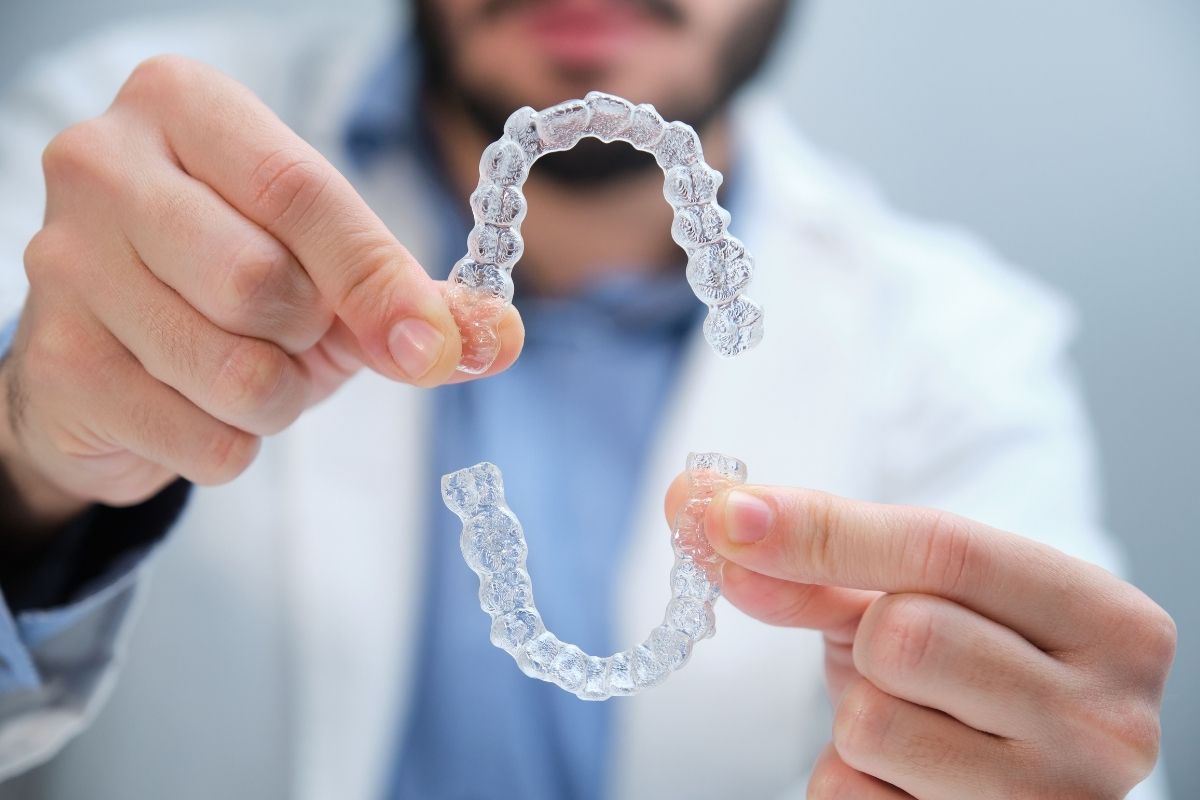
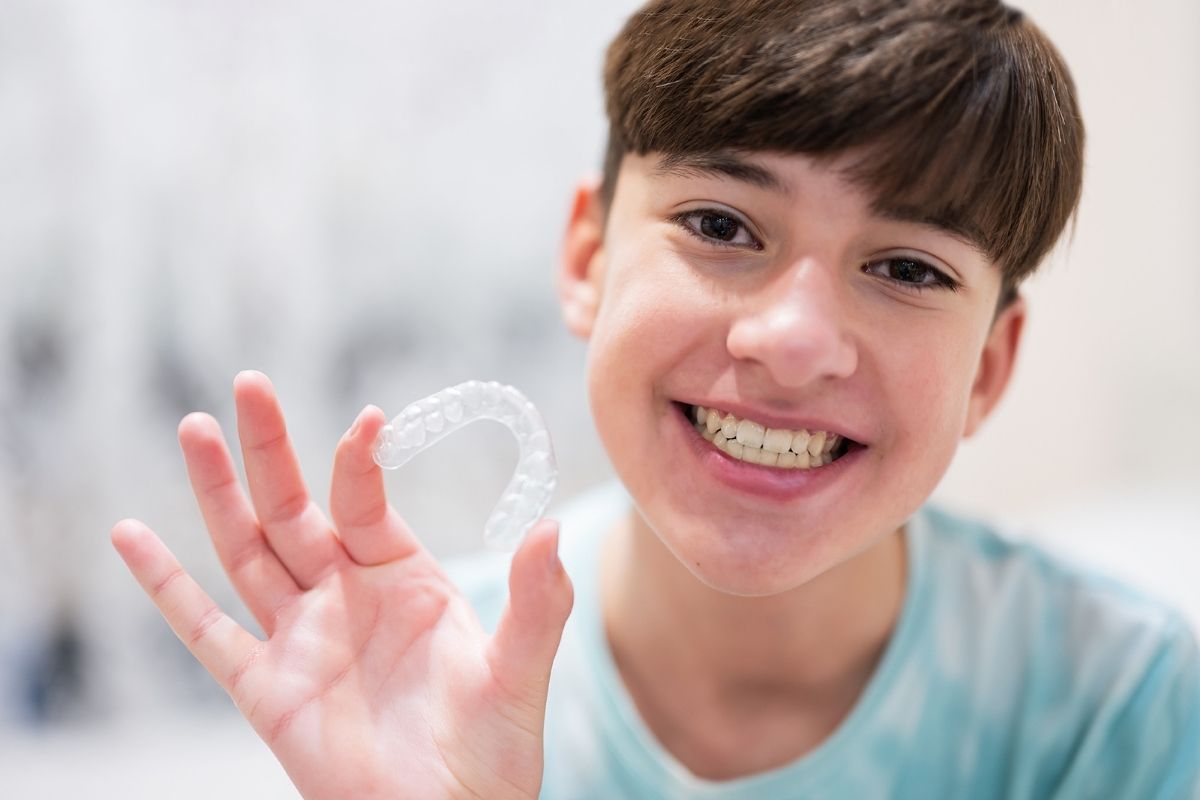
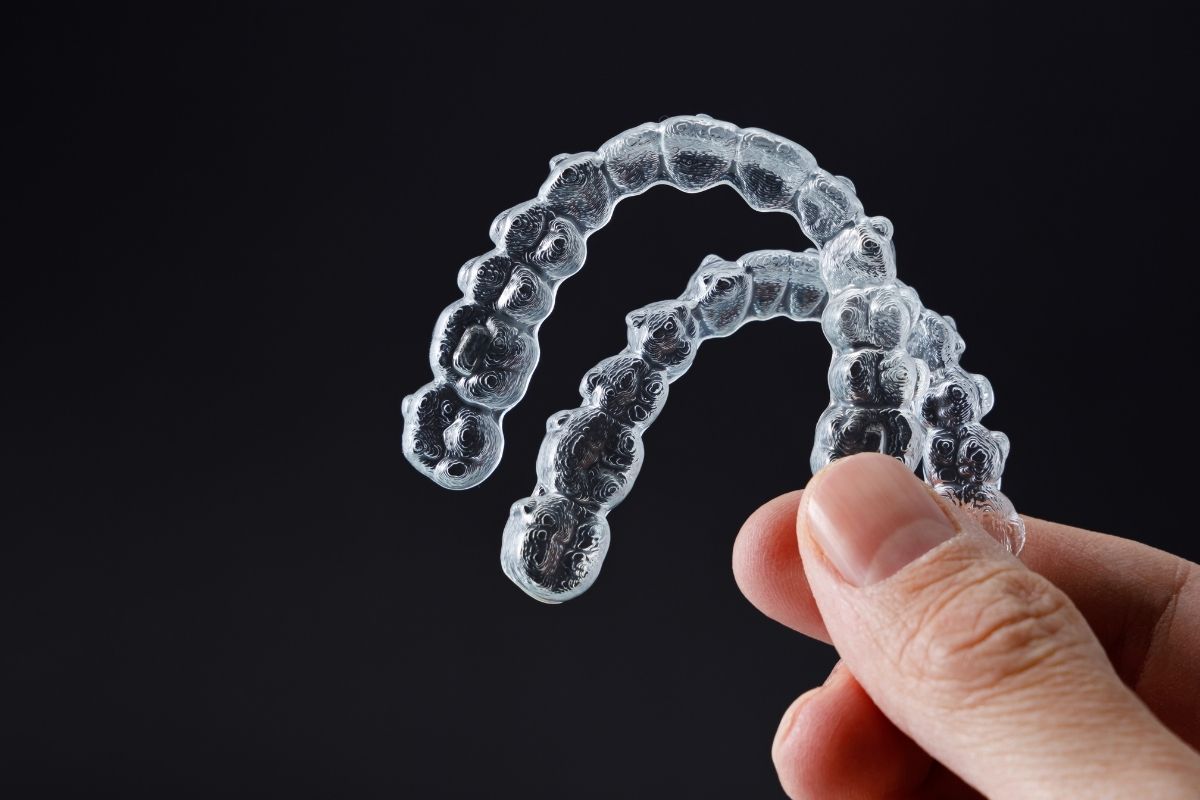
Essix retainers are made of clear, durable plastic and are nearly invisible when worn. These retainers are the most common choice after Invisalign treatment. They work similarly to your final Invisalign aligners, providing a snug fit to keep your teeth in place.
2. Fixed (Bonded) Retainers
A fixed retainer consists of a thin wire that is bonded to the back of your teeth. These are typically recommended for patients who have a higher risk of relapse, such as those with more significant alignment issues. Fixed retainers are permanent and don’t need to be removed, but you’ll need to pay extra attention to your oral hygiene to prevent plaque buildup around the wire.
Which Retainer is Right for You?
Whether you get a removable or fixed retainer, the decision will depend on several factors, including how stable your teeth are after Invisalign, your lifestyle, and your dentist’s recommendations. Your dentist near you can guide you in choosing the best retainer option for your specific situation.
How Long Do You Need to Wear a Retainer?
One of the most common questions patients ask is how long they’ll need to wear their retainer after completing Invisalign treatment. While the answer can vary, here’s a general guideline:
Initial Phase: Full-Time Wear (20-22 Hours Per Day)
In the first 3 to 6 months after your Invisalign treatment, you’ll need to wear your retainer almost all day, only removing it to eat and drink. This is when your teeth are the most vulnerable to shifting, and wearing your retainer consistently ensures your teeth stay in their new positions.
Transition Phase: Nighttime Wear
After the first few months, your dentist may recommend that you wear your retainer just at night. This is a critical time when your teeth and gums are solidifying their new positions. You should follow your dentist’s instructions closely to prevent any unwanted changes.
Long-Term Wear: Ongoing Nighttime Use
Even after your teeth have stabilized, your dentist may recommend that you continue wearing your retainer at night for an extended period—potentially for life. This will prevent any gradual shifting that can occur over time, ensuring your smile stays aligned.
What Happens if You Don’t Wear Your Retainer?
Skipping your retainer—whether for a day, a week, or longer—can result in your teeth starting to shift back. Common issues that can arise from not wearing a retainer include:
- Gaps between teeth: You may notice spaces reappearing between previously aligned teeth.
- Mild crowding: Teeth may start to overlap again, affecting both the appearance and function of your bite.
- Bite changes: The way your teeth meet when you chew or close your mouth could change, making your bite feel “off.”
- Discomfort: If you skip retainer wear for too long, the retainer might no longer fit, causing discomfort when you try to wear it again.
To avoid these issues, it’s crucial to stick to your retainer schedule as prescribed by your dentist. If you notice your retainer is tight or uncomfortable, it could be a sign that your teeth have started shifting. Contact your dentist near you as soon as possible to discuss next steps.
How to Care for Your Retainer
Proper care and maintenance of your retainer will extend its lifespan and ensure it continues to do its job. Here are some essential tips for retainer care:
- Clean it regularly: Use a soft toothbrush and mild soap to clean your retainer daily. Avoid using toothpaste, as it can scratch the surface of the retainer.
- Store it properly: When you’re not wearing your retainer, always store it in its case to prevent damage or loss.
- Avoid heat: Never leave your retainer in hot places, like your car or near boiling water, as heat can warp the plastic.
- Check for damage: Regularly inspect your retainer for any cracks, bends, or loose wires (in the case of a fixed retainer). If it’s damaged, contact your dentist for a replacement.
Conclusion
Invisalign treatment gives you the beautiful smile you’ve always wanted, but it doesn’t end there. Wearing a retainer is essential to ensure your teeth stay in their new, aligned positions. Whether you opt for a clear, removable retainer or a fixed one, following your dentist’s instructions is key to maintaining your results for the long term.
If you’re looking for more information or need a replacement retainer, reach out to Austin Park Dental today! Our team is here to guide you through every step of your dental journey.
FAQs
1. Can I stop wearing my retainer after a year?
It’s recommended to continue wearing your retainer at least a few nights a week to prevent any gradual shifting of your teeth.
2. How often do I need to clean my retainer?
You should clean your retainer every day to prevent bacterial buildup. Use a soft toothbrush and mild soap, not toothpaste.
3. What should I do if I lose my retainer?
Contact your dentist as soon as possible. They can help you get a replacement retainer and prevent any shifting in your teeth.
New Patients & Emergency Appointments Welcome!
